
When you're living with PCOS, the question of what to drink can feel surprisingly loaded. Every coffee shop menu, every wellness influencer, every smoothie recipe seems to promise hormone balance—but the reality is more nuanced. Dietitians who specialize in PCOS know that what you sip throughout the day can either support your body's natural rhythm or throw it further off course.
The goal isn't a magic potion. It's about consistent, gentle choices that help manage insulin, reduce inflammation, and support the liver's ability to process hormones. Here is exactly what registered dietitians recommend for better cycle regularity when you have PCOS.
Why your drink choices matter for PCOS cycles
Before we get to specific beverages, it helps to understand the connection. Many people with PCOS have some degree of insulin resistance—even if their blood sugar numbers look normal. Insulin is a hormone that tells your cells to take in glucose, but when your cells stop listening, your body makes more insulin to compensate.
That extra insulin can tell your ovaries to produce more testosterone, which in turn can disrupt ovulation and make cycles longer, irregular, or absent. This is why dietitians focus on drinks that keep blood sugar steady. Spikes and crashes in glucose trigger more insulin release, which fuels the cycle of irregularity.
Water: the foundation that is often overlooked
It sounds almost too simple, but adequate water intake is the single most impactful change many people with PCOS can make. Dehydration thickens the blood, making it harder for your body to transport hormones and nutrients efficiently.
Dietitians suggest aiming for roughly half your body weight in ounces as a baseline—though needs vary with activity and climate. If you struggle with plain water, try infusing it with cucumber, lemon, or a few mint leaves. The key here is consistency: sipping throughout the day rather than chugging large amounts at once.
"When clients tell me their cycles are still erratic despite eating well, I always check their water intake first," says one registered dietitian who works specifically with PCOS. "Hydration directly impacts how the liver metabolizes estrogen and other hormones."
Green tea for gentle metabolic support
Green tea has earned its reputation in PCOS circles for a good reason. It contains a catechin called epigallocatechin gallate (EGCG), which research suggests may help improve insulin sensitivity and reduce inflammation. Unlike coffee, which can spike cortisol in sensitive individuals, green tea provides a milder energy lift along with antioxidants that support ovarian health.
The dietitians I spoke with recommend 2 to 3 cups per day, unsweetened. If you find green tea too bitter, steeping it for only two to three minutes (instead of the typical five) reduces tannin extraction and bitterness without sacrificing the beneficial compounds.
Cinnamon tea for blood sugar balance
This is one of the most practical recommendations because it requires no special ingredients. Simply drop a cinnamon stick (or a teaspoon of ground cinnamon) into hot water and let it steep for ten minutes. Some dietitians suggest gently simmering the cinnamon in water for a stronger infusion.
Cinnamon has been studied for its ability to improve insulin sensitivity and lower fasting blood sugar. While the effects are modest compared to medication, consistent daily use can create subtle shifts that help regulate cycles over time. For best results, choose Ceylon cinnamon (sometimes called "true" cinnamon) rather than Cassia, as Cassia contains higher levels of coumarin, which can stress the liver in large amounts.
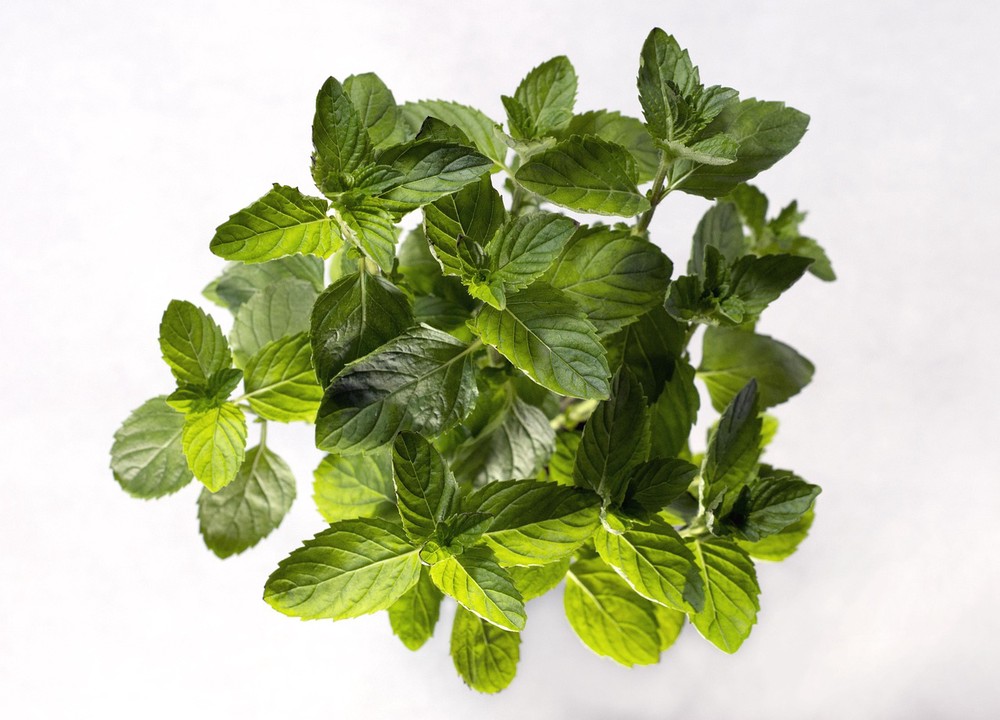
Spearmint tea for lowering androgen levels
Spearmint tea is one of the few dietary interventions that directly targets the hormonal profile of PCOS. A small but compelling body of research shows that drinking two cups of spearmint tea daily for about 30 days can significantly reduce free testosterone levels in women with PCOS. Lower testosterone often translates to less acne, less hirsutism, and—crucially—better cycle regularity.
This is not a quick fix. It takes several weeks of consistent drinking to see changes. But unlike some herbals that interact with medications, spearmint is generally very safe and can be incorporated as a ritual: a warm cup in the afternoon instead of reaching for something sugary.
Bone broth and warm lemon water for liver support
The liver plays a central role in hormone clearance. If your liver is sluggish—often due to a diet high in processed foods, alcohol, or simply dehydration—used hormones like estrogen can recirculate instead of being eliminated. This contributes to hormonal imbalance and irregular cycles.
Warm lemon water first thing in the morning is a gentle way to stimulate bile flow, which helps the liver process toxins and hormones. It is not a detox cleanse; it is simply a supportive habit. Bone broth, on the other hand, provides glycine and other amino acids that support the liver's detoxification pathways. A cup of bone broth in the evening can be both nourishing and grounding, especially for people whose PCOS is accompanied by fatigue.
What to skip or limit
Dietitians are clear that the biggest offenders for cycle regularity are sugary drinks. Soda, sweetened coffee beverages, bottled iced tea, and even "natural" juices spike blood sugar rapidly. Fruit juice, despite its healthy reputation, is essentially sugar water without the fiber of whole fruit. A single glass of orange juice can contain 20–25 grams of sugar with zero fiber to slow absorption.
Coffee is a grey area. For some people with PCOS, coffee worsens anxiety, disrupts sleep, and raises cortisol—which in turn can impair ovulation. For others, moderate coffee intake is fine. If you notice that coffee makes you jittery or interferes with your sleep, switching to green tea or simply reducing to one cup in the morning can make a tangible difference.
A simple daily rhythm to consider
If you want to put all of this into practice without overthinking it, here is a loose template that several dietitians recommend:
- Morning: Warm lemon water or a cup of green tea (or half-caff coffee if you tolerate it)
- Midday: Water with a splash of lemon or cucumber; consider a second cup of green tea
- Afternoon: Spearmint tea or cinnamon tea, especially if you tend to crave something sweet at 3 p.m.
- Evening: A cup of bone broth or another cup of spearmint tea
The drinks above are not a cure, and they won't replace medical treatments like metformin or inositol if those are part of your plan. But they are evidence-informed, low-risk steps that support the body's own regulatory systems. When combined with a diet rich in fiber, protein, and anti-inflammatory fats, these beverage choices can help create the internal environment your body needs to ovulate more regularly.