The relationship between what you drink and how your body responds during intimacy is a topic that often doesn't get the attention it deserves. Dietitians who specialize in sexual health point out that blood flow is the central player in arousal and orgasm response. When circulation is sluggish, sensation can diminish. The good news is that certain beverages can support vascular health and nerve function, potentially making a real difference in how you feel.
It's not about a single magic potion. Instead, it's about consistent, smart hydration choices that support your endothelial health—the lining of your blood vessels. When those vessels are flexible and responsive, blood can flow freely to the pelvic region, which is essential for sensitivity and orgasmic response. Here's what the experts recommend adding to your routine.
Why hydration matters for sensation
Water is the foundation. Even mild dehydration can reduce blood volume and make your heart work harder to pump blood where it needs to go. Dietitians note that chronic low fluid intake is one of the simplest culprits behind reduced sensitivity. When your body is well-hydrated, blood volume stays stable, and circulation to the extremities—and the pelvic floor—is more efficient. Aim for plain water as your baseline, and consider it the single most supportive drink for overall sexual health.
Nitrate-rich beverages for nitric oxide
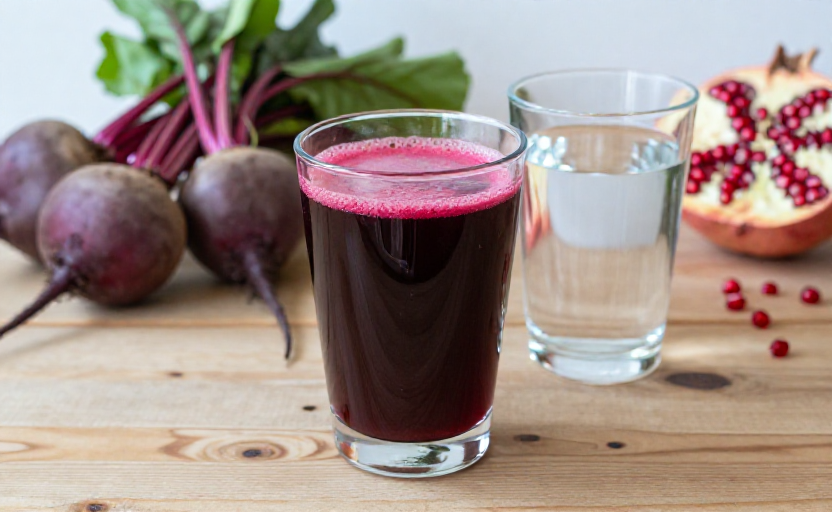
Nitric oxide is a molecule that relaxes and widens blood vessels. Drinks naturally high in nitrates help your body produce more of it. The most researched choice is beetroot juice. A small glass of beet juice or a beet-based smoothie can boost nitric oxide levels within a couple of hours. Dietitians suggest drinking it about 60 to 90 minutes before anticipated intimacy for a noticeable effect on blood flow. Pomegranate juice is another strong option. It's packed with antioxidants that protect blood vessels and has been studied for its ability to improve erectile function and sexual desire through similar vascular pathways.
Teas that calm and support circulation
Green tea and hibiscus tea both offer unique benefits for vascular health. Green tea contains catechins that improve blood vessel function and reduce inflammation. Hibiscus tea has been shown to lower blood pressure and support arterial flexibility. For the best results, let these teas steep for five minutes and drink them without added sugar.
Herbal teas like ginger tea also deserve a mention. Ginger has warming properties that can stimulate circulation, and a cup of warm ginger tea can help relax tense muscles, including the pelvic floor, which is a common area where stress is held.
Citrus and vitamin C for vessel strength
Vitamin C is essential for the production of collagen, a protein that keeps blood vessels strong and elastic. A glass of fresh orange juice or a squeeze of lemon in warm water can provide a concentrated dose. Grapefruit juice contains naringenin, a flavonoid that may improve circulation, but be cautious if you take certain medications—grapefruit can interfere with how they are metabolized. Watermelon juice is another clever choice; it contains citrulline, an amino acid that your body converts to arginine, which then supports nitric oxide production.
What to limit or avoid
Some popular drinks work against the very circulation you are trying to support. Excessive caffeine can constrict blood vessels and raise cortisol levels, potentially counteracting the benefits of other beverages. Alcohol is more complicated. A small amount may initially relax you and lower inhibitions, but as blood alcohol level rises, it depresses the central nervous system and can dull sensation. Dehydration from alcohol also works against blood flow.
Sugary sodas and energy drinks are particularly problematic. High sugar intake can damage endothelial function over time, and the synthetic stimulants in energy drinks can cause vasoconstriction. Dietitians advise keeping these to an absolute minimum if sexual sensation is a concern.
Putting it together: a practical approach
Consistency beats occasional big efforts. Start your day with a full glass of water. Add a serving of beet or pomegranate juice a few times per week. Swap one coffee for green tea. Include citrus fruit or juice in your morning routine. Pay attention to how your body responds—better blood flow often shows up first in your hands and feet feeling warmer. That same vasodilation is happening in your pelvic area.
If you experience persistent loss of sensation despite making changes to your diet and hydration, it is wise to speak with a healthcare provider. Reduced sensitivity can sometimes signal underlying vascular conditions, hormonal shifts, or pelvic floor dysfunction that benefit from professional assessment. But for many people, adjusting what you drink is a simple, powerful first step toward a more responsive body.