If you’re living with PCOS, you already know that exercise is a powerful tool for managing symptoms. But what you drink around that workout matters almost as much as the workout itself. The right beverages can steady your blood sugar, lower cortisol, and support insulin sensitivity — three areas that directly affect PCOS.
This isn’t about chugging a fancy sports drink. It’s about choosing simple, science-backed fluids that help your body respond to exercise in a way that works with your hormones, not against them. Here’s a practical guide to what to sip before and after movement for better PCOS symptom control.
Why hydration matters differently with PCOS
Women with PCOS often have higher circulating insulin and a greater tendency toward inflammation. Dehydration — even mild — can raise cortisol (your body’s main stress hormone), which in turn can worsen insulin resistance and trigger cravings. The goal is to hydrate in a way that keeps blood sugar even and supports your adrenal system.
Water is always a great base, but you can make it smarter by adding a few strategic components depending on when you drink it.
What to drink before exercise
Your pre-workout drink should do two things: provide steady energy without spiking blood sugar, and prepare your muscles to work without raising cortisol unnecessarily.
Water with a pinch of salt
Starting your workout already dehydrated is a set-up for a higher cortisol response. Drink 12–16 ounces of water about 30 minutes beforehand. If you exercise early in the morning or if you tend to feel lightheaded, add a tiny pinch of high-quality sea salt or a mineral-rich electrolyte powder (without added sugar or artificial sweeteners). Sodium helps your body hold onto water and supports nerve signaling.
Green tea (iced or warm)
A cup of green tea before a workout provides a gentle lift from both caffeine and the antioxidant epigallocatechin gallate (EGCG). Research suggests EGCG can improve insulin sensitivity and may modestly boost fat oxidation during exercise. The caffeine content is lower than coffee, which means it’s less likely to spike cortisol in women who are already sensitive. Skip the sugar or honey — if you need sweetness, try a drop of stevia or a small squeeze of lemon.
Small protein shake (optional)
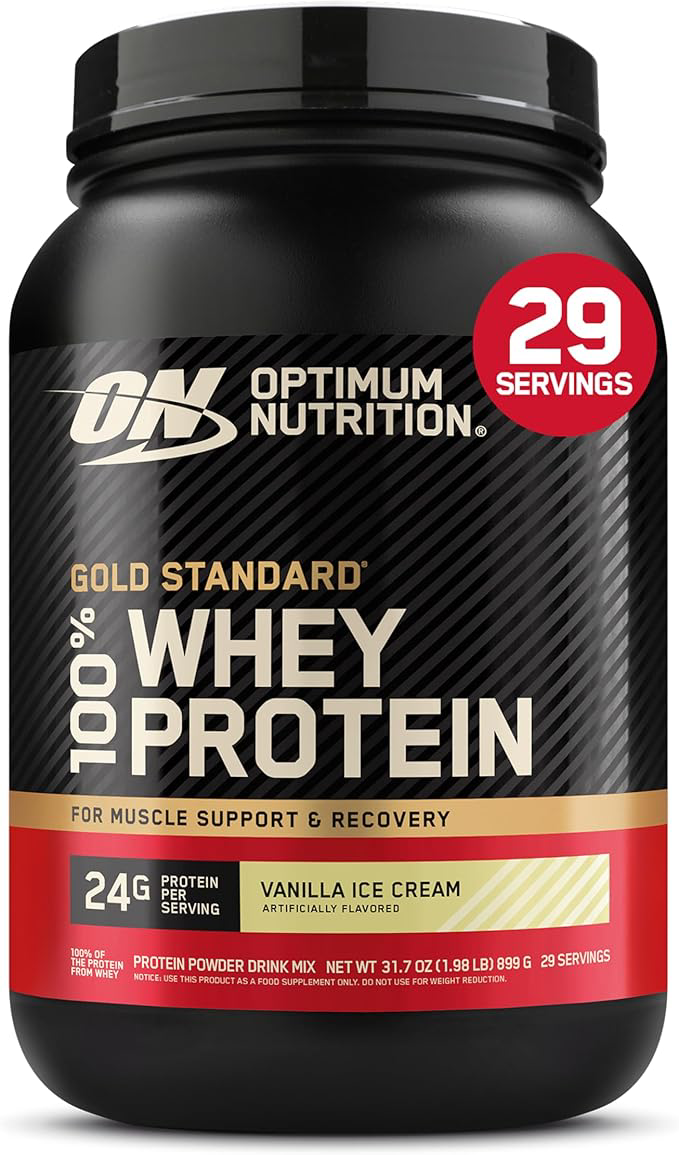
If you’re doing strength training or a longer session (45+ minutes), a small shake with about 10–15 grams of protein from plain whey or pea protein can blunt the rise in cortisol and keep your blood sugar steady. Mix it with water or unsweetened almond milk. Avoid high-carb pre-workout formulas; they can cause a glucose spike that insulin-resistant bodies struggle to manage.
A rule of thumb: If your drink tastes sweet enough to remind you of juice, it probably has too much sugar for PCOS-friendly pre-workout fuel.
What to drink during exercise
For most sessions lasting under an hour, plain water is sufficient. If you’re sweating heavily, exercising in heat, or going beyond 60 minutes, you may benefit from additional electrolytes — but keep the sugar out. Look for an electrolyte powder with sodium, potassium, and magnesium, but no added sugars or artificial dyes. Coconut water is a natural option, but check the label for added sugars; many brands are surprisingly high.
What to drink after exercise
The post-workout window is crucial for PCOS. After exercise, your muscles are primed to take in glucose, which means this is the best time to replenish without a big insulin spike. What you drink can either support that metabolic reset or undo it.
Water first, always
Rehydrate with 16–24 ounces of plain water over the next hour. If you’re still thirsty, drink more. Hydration status directly affects how well your body clears glucose and insulin.
Tart cherry juice (small amount)
Tart cherry juice is one of the few fruit juices that can be PCOS-friendly after exercise. It’s rich in anthocyanins, which reduce inflammation and oxidative stress — two drivers of PCOS symptoms. It also contains melatonin precursors that may improve sleep quality (and poor sleep worsens PCOS). Keep it to 2–4 ounces, diluted with sparkling water, and choose unsweetened varieties. The natural sugars are relatively low and paired with anti-inflammatory compounds.
Protein shake or smoothie
Aim for 20–25 grams of protein in your post-workout drink. This can be a plain whey or plant-based protein powder blended with water or unsweetened milk. If you add anything, choose a handful of spinach or a few berries (low-glycemic) rather than bananas or mango. This protein bolus helps lower cortisol, supports muscle repair, and keeps you full so you’re less likely to reach for high-carb snacks after exercise.
Spearmint tea (cooled or warm)
While not directly a rehydration drink, a cup of spearmint tea after a workout can help lower free testosterone levels over time — a known benefit for PCOS-related hair thinning and acne. It’s caffeine-free, so it won’t interfere with post-exercise relaxation or sleep.
Drinks to avoid around exercise
- Sports drinks: Most are loaded with sugar and artificial ingredients. They’re designed for endurance athletes, not hormone-sensitive exercisers.
- Soda or diet soda: Regular soda spikes blood sugar. Diet soda’s artificial sweeteners can disrupt gut microbiota and may still trigger an insulin response in some people.
- Sweetened coffee drinks: A plain black coffee before a workout is fine for many, but a sugary latte or Frappuccino adds a heavy glucose load.
- Fruit juice (other than small tart cherry): Orange juice, apple juice, and similar are high in sugar without the anti-inflammatory benefits of tart cherries.
Putting it together: A simple routine
- 30–60 minutes before exercise: Drink 12–16 ounces of water with a pinch of salt, or a cup of green tea.
- During exercise (if longer than 60 minutes): Sip water with unsweetened electrolytes.
- Within 30 minutes after: 16–20 ounces of water, plus a protein shake or a small unsweetened tart cherry juice spritzer.
This pattern helps stabilize blood sugar, reduce inflammation, and support a healthy cortisol response — all of which are foundational for PCOS symptom control.