
When cramps tighten their grip and bloating makes you feel uncomfortably full, what you reach for can either soothe the storm or add fuel to the fire. Your diet, and especially your hydration choices, play a surprisingly direct role in how you experience your period. While no drink is a magic cure, understanding which beverages support your body and which ones can exacerbate discomfort is a simple, empowering step toward more manageable cycles.
It’s about working with your body’s physiology. Menstrual cramps are caused by uterine contractions, driven by hormone-like compounds called prostaglandins. Bloating often results from hormonal shifts that cause water retention and digestive slowdown. The right drinks can help ease inflammation, relax muscles, replenish lost nutrients, and support digestion, while the wrong ones can increase inflammation, trigger spasms, or worsen fluid retention.
What to drink to ease cramps and bloating
Focusing on hydration and anti-inflammatory nutrients is your best strategy. These choices work to calm the systems that are in overdrive during your period.
Warm and soothing options
Heat is a time-tested remedy for muscle tension, and the warmth from a simple drink can provide direct, comforting relief to cramping abdominal muscles.
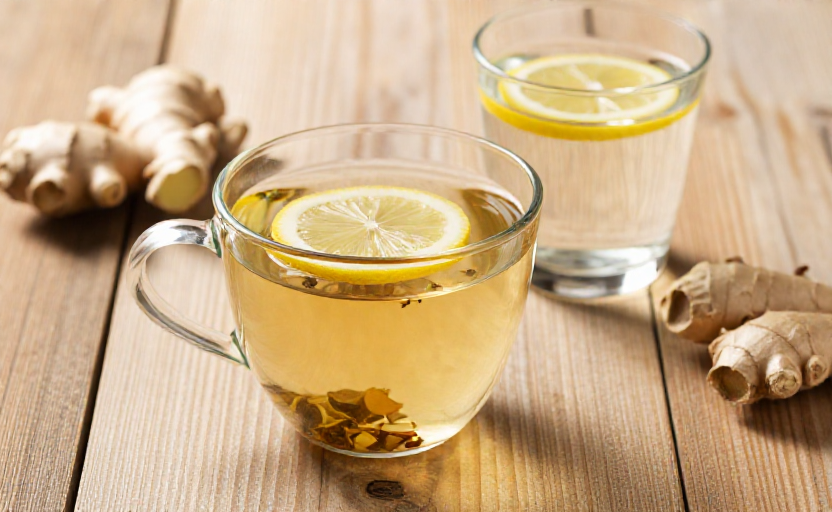
Ginger tea is a standout. Ginger contains gingerols, compounds with demonstrated anti-inflammatory and antispasmodic properties. Research suggests it can be as effective as some over-the-counter anti-inflammatory drugs for reducing menstrual pain. A warm cup can help settle nausea that sometimes accompanies cramps, too.
Peppermint tea is another excellent choice. Menthol, its active component, acts as a muscle relaxant, which may help ease uterine contractions. It’s also renowned for its ability to soothe digestive upset and reduce bloating by helping to move gas through the system.
Tip: Let your tea steep for a full 5-7 minutes to extract the maximum beneficial compounds from the herbs.
Plain hot water with lemon is a simple, hydrating base. The warmth relaxes muscles, while the lemon provides a touch of vitamin C and can make consistent hydration more appealing if you’re tired of plain water.
Hydration heroes
When you’re retaining water, it might seem counterintuitive to drink more, but proper hydration is key to reducing bloating. When you’re dehydrated, your body holds onto every drop.
Water, water, water. It’s the foundation. Aim to sip consistently throughout the day. If plain water feels boring, try adding slices of cucumber, a few berries, or a sprig of fresh mint for gentle flavor.
Electrolyte-enhanced water or coconut water can be helpful, especially if you experience heavy flow. They help replenish minerals like magnesium and potassium, which are involved in muscle function and fluid balance. Opt for versions with no added sugar.
Nutrient-rich supports
Some drinks go beyond hydration to deliver nutrients specifically known to combat period symptoms.
Tart cherry juice contains anthocyanins, powerful antioxidants that reduce inflammation. Some studies have linked tart cherry juice to reduced muscle soreness, and the same anti-inflammatory action may help ease cramping. Choose 100% tart cherry juice without added sugars and consider diluting it with water.
Smoothies are a fantastic vehicle for cramp-fighting nutrients. Blend spinach or kale (for magnesium), a banana (for potassium), Greek yogurt (for calcium and protein), and a handful of berries (for antioxidants). The magnesium and calcium are particularly important for proper muscle function and nerve signaling.
What to avoid or limit
Just as some drinks can help, others are notorious for making cramps and bloating feel worse. The main culprits tend to promote inflammation, cause gas, or lead to water retention.
Caffeinated drinks (coffee, black tea, energy drinks, soda): Caffeine is a stimulant that can constrict blood vessels and may increase the tension in uterine muscles, potentially worsening cramps. It can also act as a diuretic, which might seem good for bloating, but can lead to dehydration and subsequent fluid retention. Furthermore, it can irritate the digestive tract, contributing to gas and discomfort.
Sugary sodas and juices: High sugar intake is pro-inflammatory, which is the opposite of what you want when managing cramps. The carbonation in sodas can also introduce extra gas into your digestive system, significantly increasing feelings of bloating and abdominal pressure.
Alcohol: Alcohol is dehydrating and inflammatory. It can disrupt your sleep, which is crucial for pain management and hormonal balance. It also places an additional processing burden on your liver, which is already busy metabolizing hormones released during your cycle.
Very salty beverages (like some canned soups or vegetable juices): High sodium intake directly contributes to water retention as your body works to balance fluid levels. This can amplify the bloated feeling.
A simple rule: If a drink tends to dehydrate you, cause gas, or is high in inflammatory ingredients like sugar, it’s likely not your friend during your period.
Building a hydration plan for your cycle
You don’t need to wait for day one to start thinking about hydration. Supporting your body in the days leading up to your period can help mitigate symptoms before they peak.
- During the week before your period: Proactively increase your intake of water and magnesium-rich foods and drinks. Start incorporating daily cups of ginger or peppermint tea. This is the time to be most diligent about limiting caffeine and alcohol.
- During your period: Keep a warm beverage nearby for consistent sipping. Listen to your body—if you’re craving something savory, a warm, low-sodium broth can be hydrating and soothing. Prioritize sleep and pair your thoughtful hydration with gentle movement, like walking, which can aid circulation and reduce cramping.
- After your period: Use this time to establish healthy hydration habits that will support you through the next cycle. Find herbal teas you enjoy and make water intake a consistent daily practice.
Remember, these are general guidelines. Your body is unique. Pay attention to how you feel after drinking different things. Keeping a brief note in your cycle-tracking app can help you identify your personal triggers and soothers. While dietary changes are powerful, they are one part of a holistic approach. If your cramps are severe or debilitating, it’s important to consult a healthcare provider to rule out underlying conditions and discuss all available management options.