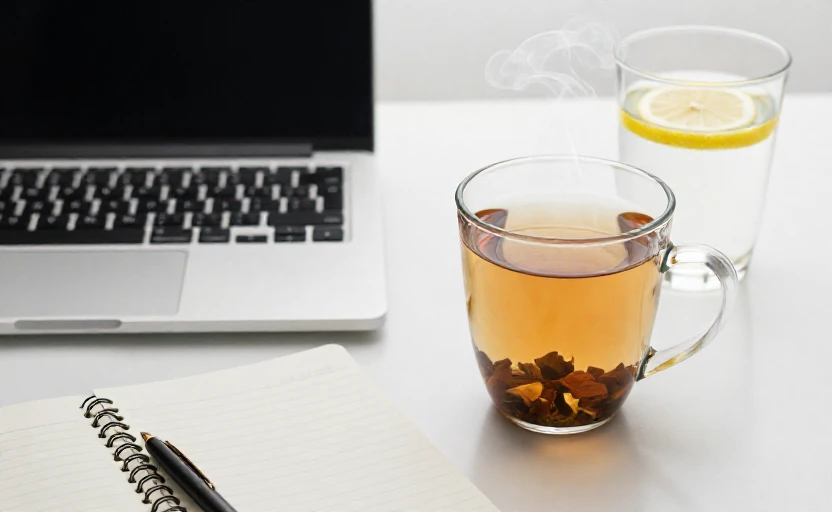
Your desk holds a secret weapon for navigating a demanding workday, and it’s not a new productivity app. It’s your drink. The liquids you choose between meetings and deadlines can either amplify your stress response or gently guide your nervous system toward a state of calm focus. Understanding this simple lever of control transforms your mug from a mere vessel into a tool for resilience.
Stress isn’t just a feeling; it’s a physiological cascade. When a tight deadline or difficult conversation triggers your fight-or-flight response, your body releases cortisol and adrenaline. Your heart rate increases, muscles tense, and digestion slows. What you drink can directly influence this system, either by providing nutrients that support your body’s stress recovery or by adding more chemical fuel to the fire.
Your Hydration Foundation: Why Water Comes First
Before exploring specific beverages, we must address the baseline: hydration. Even mild dehydration—the kind you might not consciously notice—can increase cortisol levels. When you’re low on fluids, your body experiences it as a physiological stressor, triggering a subtle but persistent stress response. You may feel more irritable, fatigued, and find it harder to concentrate.
Keeping a water bottle at your desk and sipping consistently is the most fundamental stress-management drink strategy. It’s not glamorous, but it’s essential. Think of it as maintaining the calm, steady background against which other supportive drinks can work their magic.
Aim to drink water before you feel thirsty. Thirst is often a late signal of dehydration.
Drinks to Reach For When Stress Mounts
These beverages contain compounds that research suggests can help modulate the stress response, promote relaxation, or improve cognitive function without the jitters.
Warm Herbal Teas
The ritual of brewing a warm cup alone can be a mindful pause. Certain herbs offer specific benefits:
- Chamomile: Contains apigenin, an antioxidant that binds to receptors in the brain, promoting relaxation and reducing anxiety. It’s a classic for a reason.
- Lemon Balm: Studies indicate it can improve mood and cognitive performance while taking the edge off nervous tension.
- Peppermint: The menthol has a natural muscle-relaxing effect, which can help unwind the physical tightness that comes with stress.
- Green Tea (decaf or low-caf): Provides L-theanine, an amino acid that promotes alpha brain waves (associated with relaxed alertness) and can mitigate the jittery effects of the small amount of caffeine present.
Tart Cherry Juice (Unsweetened)
This might seem unexpected, but tart cherry juice is rich in antioxidants and melatonin precursors. Research has linked it to improved sleep quality and reduced inflammation, both of which are crucial for stress recovery. A small glass in the afternoon may support your body’s natural wind-down process later.
Simple, Warm Water with Lemon
Sometimes the simplest option is the most effective. Warm water is soothing to the digestive system, which is often disrupted by stress. A slice of lemon adds a refreshing flavor and a dose of vitamin C, a nutrient that can become depleted during chronic stress.
Drinks That Can Worsen Work Stress
Just as some drinks soothe, others can secretly sabotage your calm. These are often the very ones we reach for as quick fixes.
High-Caffeine Energy Drinks and Excessive Coffee
While a morning coffee can boost alertness, overdoing caffeine is a direct line to heightened anxiety. It stimulates the release of more cortisol and adrenaline, mimicking the stress response. The crash that follows can leave you feeling more depleted and irritable. Energy drinks are a double whammy, combining high caffeine with large amounts of sugar.
If you feel wired but tired, or your heart races after your afternoon cup, it may be amplifying your stress.
Sugary Sodas and Sweetened Juices
The rapid spike and subsequent crash in blood sugar from these drinks can cause mood swings, irritability, and fatigue—all of which feel identical to stress symptoms. Your body has to manage the metabolic rollercoaster, adding to its overall load.
Alcohol (Especially at Lunch)
While a glass of wine might feel relaxing in the moment, alcohol is a depressant that disrupts sleep architecture and dehydrates you. Poor sleep is one of the biggest amplifiers of next-day stress and reduces your emotional resilience. A lunchtime drink can significantly impair afternoon focus and patience.
Building a Stress-Smart Drink Routine
Knowing what to drink is one thing; integrating it into a hectic day is another. The goal isn’t perfection, but mindful shifts.
Start your day with a full glass of water before any caffeine. Keep a large water bottle on your desk as a visual reminder. For your mid-morning or afternoon slump, bypass the soda machine or third coffee and opt for a herbal tea or sparkling water. If you enjoy coffee, try to have your last cup before 2 PM to prevent it from interfering with evening relaxation.
Listen to what your craving might be telling you. A desire for something sweet in the afternoon could signal low energy from dehydration or hunger—try a piece of fruit with water first. The ritual of preparing a drink can be a powerful mini-break. Use the minute it takes to steep tea as a moment to breathe and step away from the screen.
Your drinks won’t eliminate stressful projects or difficult conversations. But by choosing beverages that support your nervous system instead of challenging it, you build a foundation of physiological calm. You give your body the resources it needs to cope, making you more resilient, focused, and steady throughout the demands of your workday.