

Managing PCOS often feels like a complex puzzle, with diet and lifestyle as some of the biggest pieces. While food gets most of the attention, what you drink plays a surprisingly powerful role in how you feel. The right beverages can support your metabolism, soothe inflammation, and help balance hormones, while the wrong ones can quietly undermine your efforts. This isn’t about a restrictive list of rules, but about understanding how your daily sips can become a simple, supportive part of your routine.
Think of hydration as a foundational habit. When you’re well-hydrated, your body’s systems—from circulation to detoxification—simply work better. For PCOS, where insulin resistance and inflammation are common concerns, the fluids you choose can either add to the burden or help lighten it. Let’s explore the drinks that can work with your body, and those you might want to enjoy more mindfully.
Foundational Fluids: Your Daily Hydration Staples
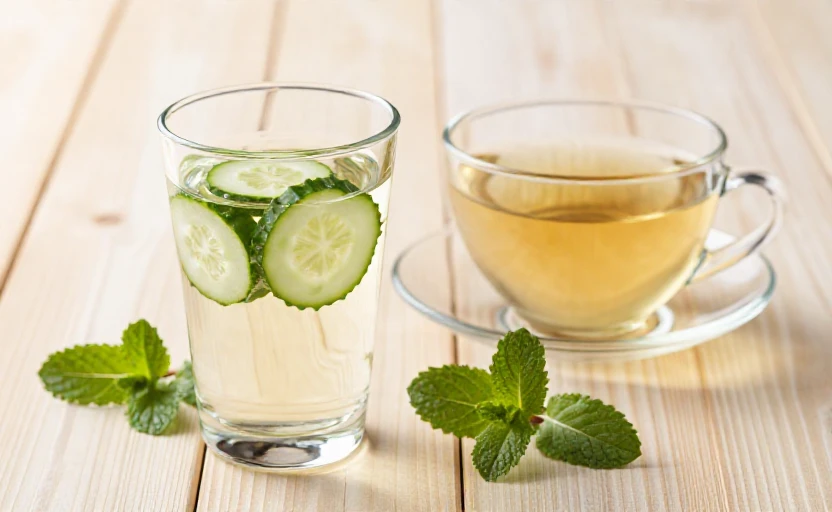
Water is the undisputed champion. It hydrates without calories, sugar, or additives, supporting every cellular process. If plain water feels like a chore, try infusing it with slices of cucumber, citrus, or fresh mint for a flavor boost without the downsides of sugary mixes.
Herbal teas are another excellent cornerstone. Unlike traditional black or green tea, most herbal varieties are naturally caffeine-free, which can be beneficial if you’re managing cortisol levels or sleep issues. Specific herbs have garnered attention for their potential supportive properties:
- Spearmint tea: Some research suggests it may help lower androgen levels, which could be helpful for managing symptoms like hirsutism.
- Cinnamon tea: Known for its potential to improve insulin sensitivity, a key concern for many with PCOS.
- Chamomile or ginger tea: Soothing options that may help with inflammation and digestive comfort.
Tip: Let your herbal tea steep for a full 5-10 minutes to extract the maximum beneficial compounds.
Navigating the Gray Area: Drinks to Consume Mindfully
Some beverages aren’t strictly “good” or “bad,” but require a bit more awareness about how they fit into your individual picture.
Caffeinated coffee and tea are prime examples. For some, a morning cup is a cherished ritual and may even offer antioxidant benefits. However, caffeine can stimulate cortisol, the stress hormone, which is often already elevated in PCOS. If you notice it makes you jittery, disrupts your sleep, or increases anxiety, consider limiting intake to one cup in the morning or switching to a half-caff blend.
Dairy and plant-based milks also require a personal approach. Some find that dairy can exacerbate inflammation or acne, while others tolerate it well. If you choose dairy, opting for full-fat versions may be preferable, as the fat can help slow the absorption of milk sugars. Unsweetened almond, oat, or coconut milk are popular alternatives; just check the label for added sugars and thickeners like carrageenan, which some people prefer to avoid.
What to Limit or Avoid for Better Symptom Management
This isn’t about deprivation, but about making informed swaps that can lead to feeling significantly better. The main culprits to watch are drinks high in added sugars and artificial ingredients.
Sugary sodas, juices, and energy drinks are the most obvious. Their high sugar load causes a rapid spike in blood sugar and insulin, which can worsen insulin resistance—a core driver of PCOS symptoms. Even “natural” fruit juices concentrate the sugar without the fiber of the whole fruit, leading to a similar effect.
Sweetened coffee drinks and bubble teas can be sneaky sources of massive sugar amounts, sometimes exceeding 50 grams per serving. The combination of sugar and caffeine can be particularly disruptive to energy and hormones.
Alcohol presents a triple challenge: it’s metabolized like sugar, can burden the liver (which helps process hormones), and may disrupt sleep. If you choose to drink, doing so with food, sticking to one serving, and opting for drier options like red wine or spirits with a sugar-free mixer can minimize impact.
A simple rule: Read the label. If sugar (or its many aliases like syrup, fructose, or cane juice) is one of the first three ingredients, it’s best saved for an occasional treat.
Building Your PCOS-Supportive Drink Routine
Creating new habits works best when you focus on addition, not just subtraction. Start by adding one supportive drink daily, like swapping an afternoon soda for sparkling water with a splash of 100% cranberry juice or committing to one cup of spearmint tea in the evening.
Listen to your body’s cues. Do you feel more energized, less bloated, or notice your skin improving when you make a change? These personal signals are your best guide. Remember, consistency over perfection is what creates lasting benefits for hormone health.
Putting It All Together
Managing PCOS is a marathon, not a sprint. Your drink choices are one of the easiest levers you can pull daily to support your well-being. By prioritizing hydration with water and herbal teas, being mindful of caffeine and dairy, and significantly reducing sugary beverages, you’re directly addressing insulin sensitivity and inflammation. Each supportive sip is a small, powerful act of care for your body.








