Living with Polycystic Ovary Syndrome (PCOS) often feels like navigating a maze of conflicting advice. While much focus is placed on what to add—more exercise, specific nutrients, new supplements—the habits and products you might need to step away from can be just as powerful. Adjusting your routine isn't about deprivation; it's about creating space for what truly supports your hormonal balance and overall well-being.
This approach centers on reducing inflammation, stabilizing blood sugar, and lowering stress on your endocrine system. By identifying and minimizing common triggers embedded in daily life, you can help your body find a more harmonious rhythm. Let's explore some key areas of your routine that might benefit from a thoughtful review.
Rethinking Your Approach to Food and Diet
Dietary changes for PCOS aren't about strict, unsustainable rules. They're about patterns that can exacerbate insulin resistance and inflammation, two core drivers of PCOS symptoms. The goal is steadiness.
Avoid highly processed carbohydrates and added sugars. This includes white bread, pastries, sugary cereals, and sodas. These foods cause rapid spikes in blood sugar and insulin, which can worsen insulin resistance and increase androgen production. Instead of cutting out carbohydrates entirely, focus on pairing them with protein, healthy fats, and fiber to slow their absorption.
Think of your plate in terms of balance, not elimination. A complex carbohydrate like sweet potato becomes a gentler choice when paired with salmon and broccoli.
Be mindful of inflammatory fats. While fat is essential, the types found in many fried foods, processed snacks, and certain vegetable oils (like soybean or corn oil) can promote inflammation. Reducing these can help manage overall systemic inflammation linked to PCOS.
Exercise: Finding the Right Balance
Movement is crucial for insulin sensitivity and stress reduction, but not all exercise is equal for PCOS. The “no pain, no gain” high-intensity mentality can sometimes backfire.
Avoid making high-intensity interval training (HIIT) or long, strenuous cardio sessions your only form of exercise, especially if you're feeling fatigued or highly stressed. Overtraining can elevate cortisol, your body's primary stress hormone. Chronically high cortisol can further disrupt insulin sensitivity and sex hormone balance.
Incorporate more restorative and strength-focused movements. Gentle yoga, walking, Pilates, and resistance training are excellent for building metabolic health without the same cortisol spike. Listen to your body—some days you might need a brisk walk, other days a stretching session.
Skincare and Beauty Product Pitfalls
The skin is a living organ, and what you put on it can affect your hormonal ecosystem, particularly if you struggle with acne or hirsutism.
Be cautious with products containing endocrine-disrupting chemicals. While research is ongoing, some common ingredients like certain phthalates (often in fragrances), parabens, and triclosan are suspected of interfering with hormone function. Opt for simpler, fragrance-free formulations when possible, and don't feel pressured to use a ten-step routine.
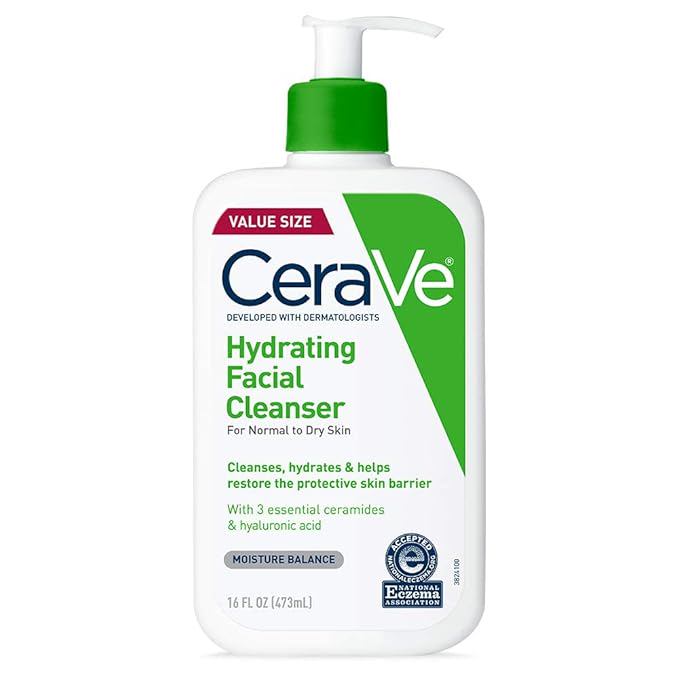
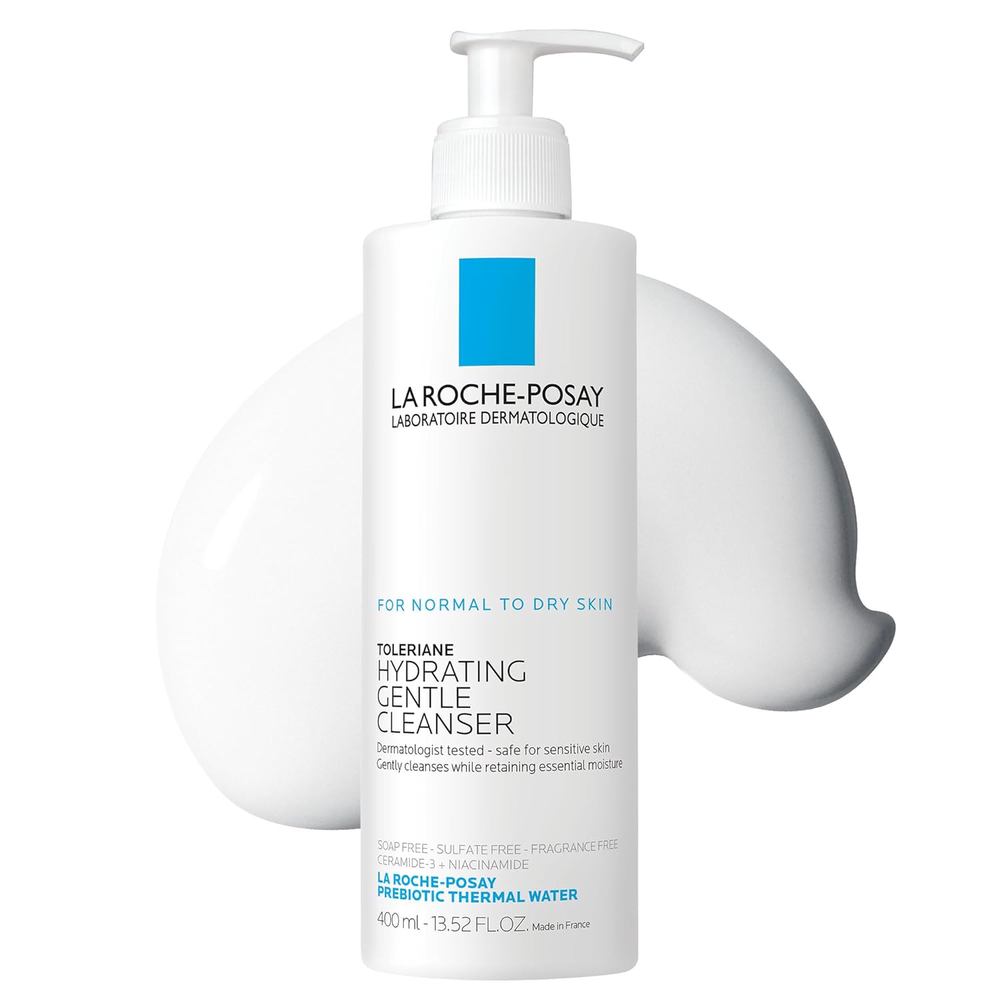
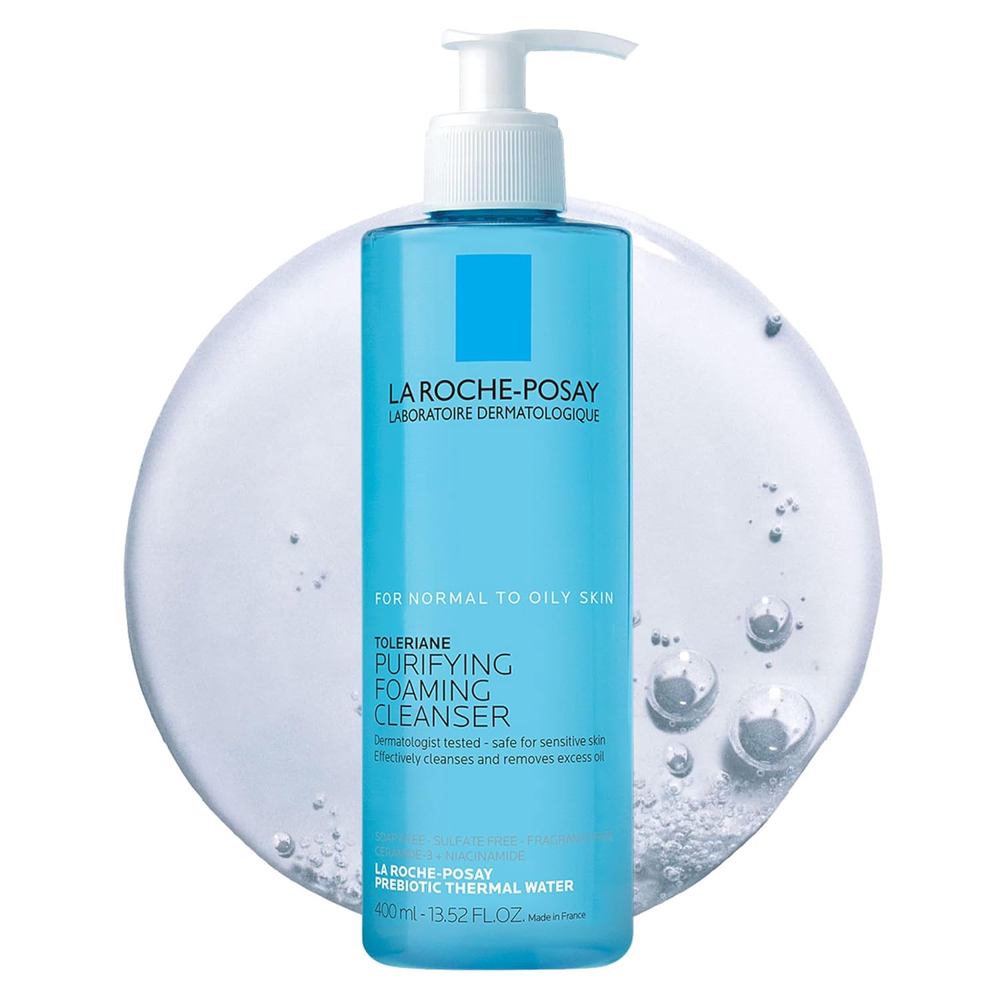
Avoid harsh, stripping cleansers and physical scrubs if you have cystic acne. These can damage the skin barrier, increase inflammation, and worsen breakouts. Look for gentle, non-comedogenic cleansers with ingredients like salicylic acid or niacinamide, which can help manage acne without aggression.
Stress Management and Sleep Hygiene
Chronic stress is fuel for PCOS symptoms. Your routine should include practices that dampen, not amplify, your stress response.
Avoid bringing work or stimulating screens to bed. The blue light from phones and laptops suppresses melatonin, disrupting your sleep cycle. Poor sleep directly impacts cortisol, hunger hormones (ghrelin and leptin), and insulin resistance.
Steer clear of using caffeine as a crutch for energy, especially in the afternoon. While morning coffee is fine for many, relying on it late in the day can fragment sleep and contribute to adrenal stress. Similarly, using alcohol regularly to unwind can disrupt sleep architecture and liver function, which is involved in hormone metabolism.
Building a supportive evening ritual might look like:
- Dimming lights an hour before bed.
- Reading a book instead of scrolling.
- Practicing a short meditation or breathing exercise.
- Keeping a consistent sleep schedule, even on weekends.
Navigating Supplements and Quick Fixes
The supplement aisle can be overwhelming, and not every trendy “hormone-balancing” product is right for PCOS.
Avoid self-prescribing high doses of supplements based on online advice. For example, excessive amounts of certain herbs or vitamins can have unintended effects. It’s best to discuss any new supplement regimen with a healthcare provider who understands your unique PCOS profile.
Be skeptical of detox teas, extreme cleanses, or programs that promise a “cure” for PCOS. These are often restrictive, nutritionally inadequate, and can create a cycle of stress and rebound symptoms. Sustainable, nutrient-dense eating will always outperform a short-term cleanse.
Managing PCOS is a journey of tuning into your body's signals. By thoughtfully adjusting these everyday routines—choosing gentle nutrition, balanced movement, cleaner products, and true rest—you build a foundation that supports hormonal health from the ground up. Small, consistent shifts away from common triggers often yield the most profound and lasting results.