
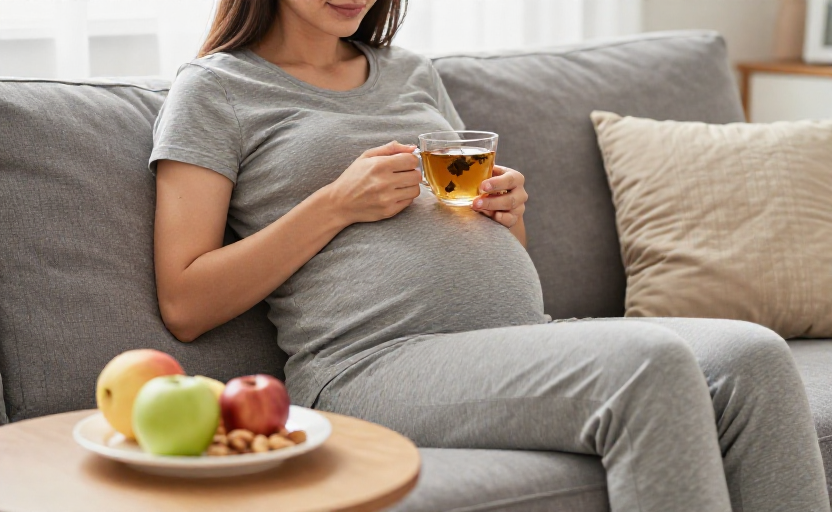
The postpartum period is a time of profound physical recovery. Your body is working to heal from childbirth—whether vaginal or via cesarean—while also adapting to the demands of caring for a newborn. What you eat during maternity leave can either support or slow that recovery. While it is natural to crave certain comfort foods, some choices can interfere with healing, disrupt energy, or affect your milk supply if you are breastfeeding.
This guide focuses on foods and drinks to avoid during maternity leave, not as a strict list of rules, but as a way to help you feel better, rest more deeply, and recover more smoothly. Every body is different; your doctor or midwife can give you personalized guidance for your specific health needs.
Why Some Foods Can Interfere with Postpartum Healing
After giving birth, your body is managing inflammation, repairing tissues, and often rebuilding blood volume. Nutrient-dense foods provide the raw materials for these processes. In contrast, foods that are high in refined sugar, unhealthy fats, or inflammatory compounds can put extra load on your system. They may also cause blood sugar spikes and crashes, leaving you feeling more fatigued—exactly when you need steady energy.
Foods and Drinks to Limit or Avoid
1. Highly Processed Snacks and Sugary Treats
Cookies, chips, pastries, and sugary cereals are convenient but offer little nutritional value. They often contain refined flours, added sugars, and unhealthy trans fats that promote inflammation. Frequent consumption can slow tissue repair and contribute to mood swings. A better choice: whole-grain crackers, nuts, or fresh fruit paired with yogurt.
2. Deep-Fried and Greasy Foods
Fried chicken, french fries, and other greasy foods are hard to digest and can worsen constipation—a very common postpartum complaint. They also provide minimal vitamins or minerals needed for recovery. If you crave something crunchy, try oven-roasted vegetables or air-popped popcorn with a drizzle of olive oil.
3. Caffeine in Excess
One cup of coffee or tea is generally fine, but consuming more than 300 mg per day (roughly 2–3 cups) can interfere with sleep and, if breastfeeding, may make your baby irritable. Caffeine is also a diuretic, which can contribute to dehydration when you already need extra fluids. Try herbal teas like chamomile or rooibos instead.
4. Alcohol
Alcohol can impair healing by increasing inflammation, disrupting sleep architecture, and—if breastfeeding—passing into breast milk. Even moderate drinking can affect your energy and judgment, which is less than ideal when caring for a newborn. If you do choose to drink occasionally, wait at least 2–3 hours per drink before nursing. Many experts recommend avoiding alcohol entirely during the early weeks of recovery.
5. Gas-Producing Vegetables (in Large Amounts)
If you had a C-section, or if you are prone to bloating and constipation, large servings of cruciferous vegetables (broccoli, cauliflower, cabbage, Brussels sprouts) and beans may cause uncomfortable gas. This can be especially painful after abdominal surgery. You don't need to avoid them completely—just steam them well and start with small portions to see how you respond.
6. Raw or Undercooked Foods
During the postpartum period, your immune system is slightly suppressed. Raw fish (sushi), undercooked eggs, runny yolks, and unpasteurized dairy can carry harmful bacteria like Listeria or Salmonella. While the risk is low for healthy individuals, it is wise to choose fully cooked options while your body recovers.
Quick tip: If you are uncertain about any food, ask your healthcare provider. What is safe for one person may not be best for you.
How Hydration Affects Recovery
Water is often overlooked, but adequate hydration is essential for healing and for milk production if you are nursing. Dehydration can worsen fatigue, cause headaches, and slow tissue repair. Avoid sugary sodas and energy drinks; they can dehydrate you further. Instead, keep a large water bottle nearby and sip throughout the day. Broths, coconut water (without added sugar), and herbal teas also count toward your fluid intake.
A Sample Gentle Eating Pattern
Rather than a rigid meal plan, think of building each plate with three elements:
- Protein: eggs, lean meat, fish, lentils, tofu, or Greek yogurt
- Fiber: cooked vegetables (steamed or roasted), whole grains like oats or quinoa, soft fruits
- Healthy fats: avocado, nuts, seeds, olive oil
This combination helps stabilize blood sugar, supports tissue repair, and keeps you satisfied. Soups and stews are especially good because they are easy to digest and hydrate.
When to Speak with a Professional
If you have specific dietary restrictions (such as a history of eating disorders, gestational diabetes, or food allergies), it is important to work with a registered dietitian or your doctor to create a plan that meets your needs. The same goes if your energy levels remain very low for weeks, or if you notice any signs of postpartum depression—nutrition alone is not a substitute for medical care.
Recovery after childbirth is a gradual process, not a race. By choosing nourishing foods and limiting the ones that can slow healing, you give your body the best chance to rest, repair, and regain strength—all while you care for your new baby.