If you have been told you have mild sleep apnea, you might feel caught between two worlds. Your sleep is disrupted, and your energy is not what it used to be, but the condition does not feel severe enough to warrant drastic measures. It is a common place to be. The good news is that sleep specialists have clear, first-line approaches for mild cases—and none of them start with a surgical consultation.
The goal is to open your airway during sleep, improve oxygen flow, and reduce those micro-arousals that fragment your rest. Below are the three primary treatments that specialists typically recommend before considering anything more invasive. They are grounded in clinical evidence and designed to fit real life.
1. Oral appliance therapy
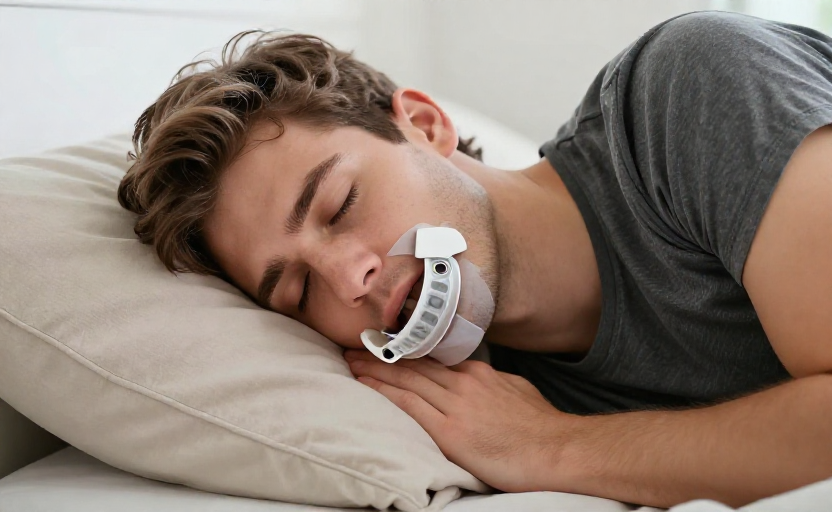
For many people with mild sleep apnea, an oral appliance is the first stop. These are not over-the-counter bite guards you buy online. A custom-fitted device, made by a dentist with training in sleep medicine, works by repositioning your lower jaw slightly forward. This movement pulls the tongue and soft palate away from the back of the throat, keeping the airway open while you sleep.
Oral appliances are small, portable, and quiet. They do not require electricity or mask fittings. Compliance is generally high because they are comfortable once adjusted properly. A sleep study is still used to confirm that the device is working—usually a home sleep test with the appliance in place. Some people experience mild jaw soreness or excess saliva at first, but these issues usually resolve within two weeks.
2. Continuous positive airway pressure (CPAP) therapy
CPAP is often thought of as a treatment for moderate to severe apnea, but it is also a valid first-line option for mild cases. Modern machines are much quieter and more comfortable than older models. The key is finding the right mask style and pressure setting. Many sleep specialists now offer remote monitoring so adjustments can be made without an office visit.
For mild sleep apnea, the pressure required is typically low, which means less air leakage and less mask discomfort. If you have tried CPAP before and gave up, it may be worth revisiting with a current-generation device. Heated humidifiers, ramp settings, and auto-adjusting pressure can make a significant difference in comfort. The main challenge is consistent use—but when tolerated, CPAP resolves apnea events almost completely.
3. Positional therapy and lifestyle modifications
Sleep position has a direct effect on airway collapsibility. For many people, apnea episodes are far more frequent when sleeping on the back. This is called supine-predominant sleep apnea, and it is especially common in mild cases. The treatment is deceptively simple: stay off your back.
A simple strategy: a firm pillow behind the back or a tennis ball sewn into the back of a sleep shirt can train you to stay on your side. Wearable devices now vibrate gently when you roll onto your back.
Lifestyle modifications also play a direct role. Excess weight around the neck compresses the airway. Even a 5 to 10 percent reduction in body weight can reduce apnea severity. Alcohol and sedatives relax the throat muscles, worsening apneas, so avoiding them in the hours before sleep is a straightforward adjustment. Specialists emphasize that these are not stand-alone fixes for everyone, but they are powerful adjuncts—and sometimes sufficient on their own for very mild cases.
Most sleep specialists will combine these approaches. A person might use an oral appliance most nights and switch to positional training when traveling. Another might start with CPAP and incorporate weight management as a longer-term goal. The common thread is that treatment is tailored, not one-size-fits-all.
If you suspect you have mild sleep apnea, the first step is a sleep study—either at home or in a lab. Once the diagnosis is confirmed, these three first-line treatments offer a clear path forward without jumping to surgery or living with exhaustion.