After a long day, the promise of a good night's rest can feel like the ultimate reward. Yet for many of us, that promise goes unfulfilled. We lie down, but our minds keep racing. We close our eyes, but sleep stays stubbornly out of reach. Sleep researchers and behavioral sleep medicine specialists have spent years studying this exact problem, and while the solutions are not always glamorous, they are remarkably consistent. The difference between tossing and turning versus falling asleep with ease often comes down to one deliberate hour: the sixty minutes before your head hits the pillow.
What do these experts actually do during that critical window? They do not rely on complicated gadgets or strict, punishing rules. Instead, they follow a gentle, intentional transition. Here is how they unwind, hour by hour, so you can borrow their strategies for your own consistent rest.
They turn down the lights — really turn them down
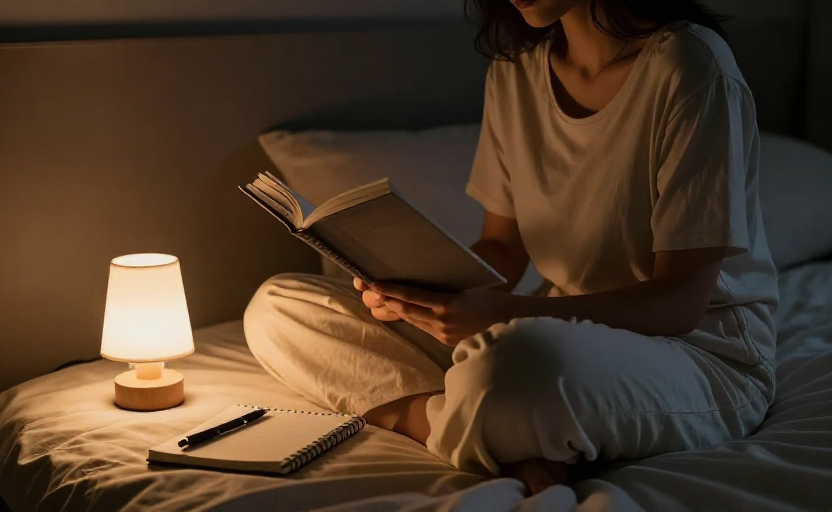
Our bodies are exquisitely sensitive to light, especially the blue wavelengths emitted by screens, overhead LEDs, and even some energy-efficient bulbs. Melatonin, the hormone that signals it is time to sleep, is suppressed by bright light. Sleep experts take this seriously. In the final hour before bed, they do not just dim a single lamp. They often switch to low-wattage, warm-toned bulbs (think 2700 Kelvin or lower) or use dimmable lamps set to less than 50% brightness.
If you can read a book comfortably without straining your eyes, the light is probably bright enough to delay sleep. You want the room to feel cavernous, not daylight-bright.
This practice is sometimes called "luxury darkness" in sleep science circles. It is not about sitting in the black void, but rather creating a deep, calm visual environment. Some specialists even wear blue-light-blocking amber glasses for the last sixty minutes, though the simpler fix is just to swap your light source. Reading a physical book by a warm, dim light is far more effective than reading on a tablet, even with a blue-light filter on.
A short, structured cool-down for the body
There is a reason you feel sleepy after a hot bath or shower: your core body temperature rises slightly, but as you step out into cooler air, your body rapidly loses heat. This temperature drop is a powerful physiological trigger for sleep onset. Sleep experts do not all take baths, but they all do something to signal that the body's engine is cooling down.
The 10-minute body temperature drop
Many sleep physicians recommend a warm bath or shower about 90 minutes before bed — not in the final hour itself — because the cooling curve takes time. In the final hour, they focus on keeping the bedroom cool (typically between 60 and 67 degrees Fahrenheit). They may also do a very light stretching routine that focuses on the hips, lower back, and neck. This is not a workout; it is a slow, deliberate loosening of tension held in the body from the day's stress.
- Gentle forward folds (sitting or standing) to calm the nervous system
- Child's pose for 30–60 seconds to release lower back tension
- Neck rolls while sitting on the edge of the bed
The goal is not flexibility. It is a physical "sigh of relief" for the muscles. If your jaw is clenched or your shoulders are up near your ears, you are holding onto sympathetic (fight-or-flight) activation. Stretching helps the parasympathetic system take over.
They read fiction — but not the kind that hooks you
Reading is one of the most common wind-down activities reported by sleep experts, but there is a catch. They almost universally avoid page-turners right before bed. A thriller that compels you to read "just one more chapter" is counterproductive. Instead, they choose books with a steady, calm narrative flow — literary fiction, gentle memoirs, nature writing, or even a slightly dense classic.
The act of reading a physical book (not a screen) provides a dual benefit: it is a low-effort cognitive distraction from your own anxious thoughts, and the lack of blue light does not interfere with melatonin. A 2009 study from the University of Sussex found that just six minutes of silent reading reduced stress levels by more than two-thirds, slowing the heart rate and easing muscle tension. This is exactly the state sleep experts aim for. They are not trying to learn something or be productive; they are letting their minds drift into someone else's world at a gentle pace.
A pen-and-paper brain dump
If you have ever laid in bed mentally replaying a conversation or worrying about tomorrow's to-do list, you have experienced the enemy of consistent rest: rumination. Sleep specialists have a simple, low-tech tool for this. They keep a notebook and pen by the bed, and in the final hour, they write things down. This is not a formal gratitude journal or a detailed diary entry. It is a rapid, uncensored brain dump.
Write down everything your brain is trying to remember. The grocery list, the email you need to send, the thing your colleague said that bothered you. The goal is to offload that mental clutter onto paper so your brain can stop trying to hold onto it.
Many also use a specific technique called "constructive worry" or "structured problem-solving." They will jot down a worry, and then next to it, write one tiny, actionable step they can take tomorrow — even if it is just "Google the number" or "Ask Sarah about that meeting." This signals to the brain that the problem has been acknowledged and partially solved, reducing its urgency.
They power down all screens — completely
This is the non-negotiable. By the time the final hour rolls around, sleep experts do not touch their phones, laptops, or tablets. The evidence is overwhelming: screen use in the hour before bed is associated with delayed sleep onset, reduced total sleep time, and lower sleep quality. The problem is not just blue light; it is the interactive, stimulating nature of scrolling. Social media feeds, news updates, emails, and even text conversations engage your brain in a way that a static page does not.
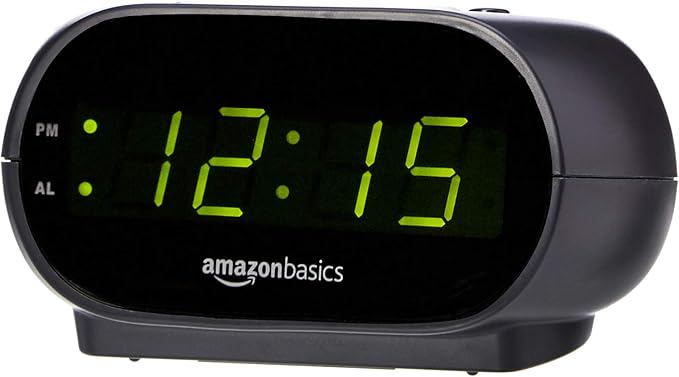
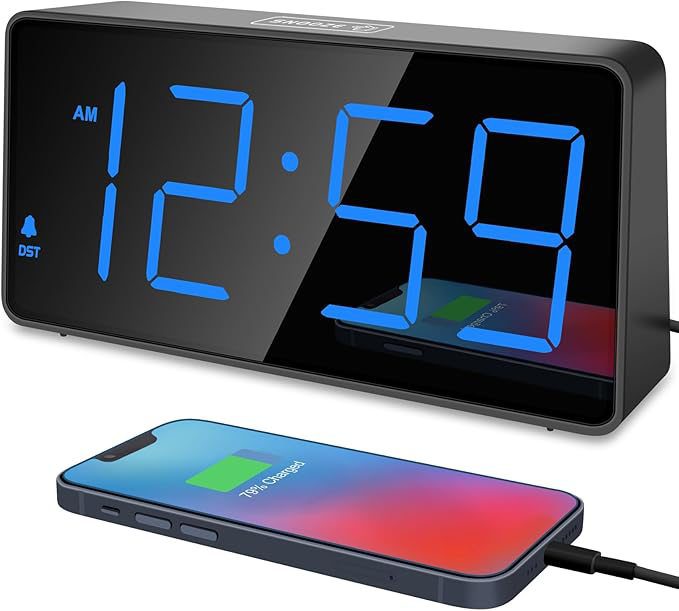
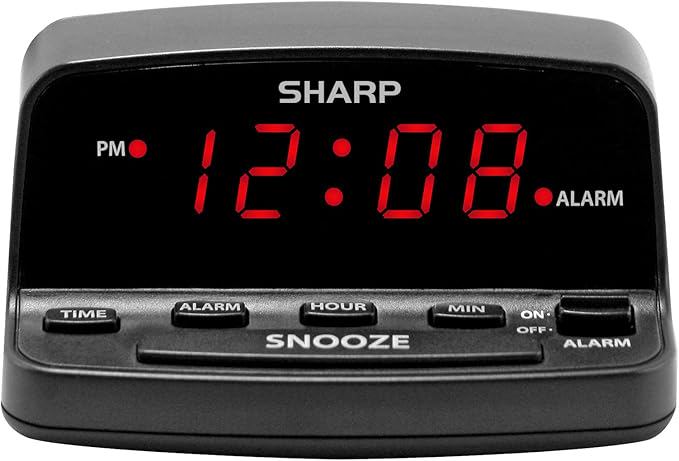
Experts do not rely on willpower alone. They often put their phone on "Do Not Disturb" mode, plug it in across the room, and leave it there. They may also use an old-fashioned alarm clock so they do not need their phone nearby. The bedroom becomes a screen-free sanctuary. If they are listening to something, it is either silence, brown noise (deeper than white noise), or a very boring podcast with a calm voice speaking slowly about an unexciting topic. The goal is to lower cognitive arousal, not stimulate it.
A consistent 7-day schedule
Perhaps the most surprising habit of sleep experts is that they do not save this routine for weeknights. They do it on weekends and holidays, too. While it might sound strict, the reason is biological: the circadian rhythm responds best to consistency. Staying up two hours later on Friday night and sleeping in on Saturday morning creates a mini-jet lag by Sunday night. The final hour before bed is not just a set of actions; it is a fixed time slot. They decide when they need to wake up, count backwards 7 to 9 hours, and then start their wind-down exactly one hour before that bedtime. This regularity trains the body to expect sleep at the same time every night, making it easier to fall asleep and stay asleep.
You do not need to adopt all of these habits at once. Pick one — dimming the lights, a short stretch, or the brain dump — and try it for three nights. You may be surprised how much a single, intentional hour can change the quality of your entire night.