Menstrual pain is a monthly reality for many, often dismissed as just a normal part of having a period. But for those who experience it, the cramping, backache, and fatigue are anything but trivial. While some discomfort can be typical, the intensity and nature of your pain can be a meaningful signal from your body. Gynecologists emphasize that paying attention to these signals is not just about finding monthly relief—it’s a crucial aspect of understanding your long-term reproductive and overall health.
Distinguishing between common primary dysmenorrhea and pain that may indicate an underlying condition is the first step toward better care. This knowledge empowers you to have more informed conversations with your healthcare provider and seek strategies that address both immediate comfort and future wellbeing.
When is menstrual pain considered “normal”?
Primary dysmenorrhea, the medical term for common menstrual cramps, is caused by the release of hormone-like substances called prostaglandins as the uterine lining sheds. These chemicals make the uterine muscle contract, which can temporarily reduce blood flow and oxygen, leading to pain. This type of pain usually begins just before or at the start of your period and lasts one to three days. It’s often described as a throbbing or cramping sensation in the lower abdomen, which may radiate to the lower back and thighs.
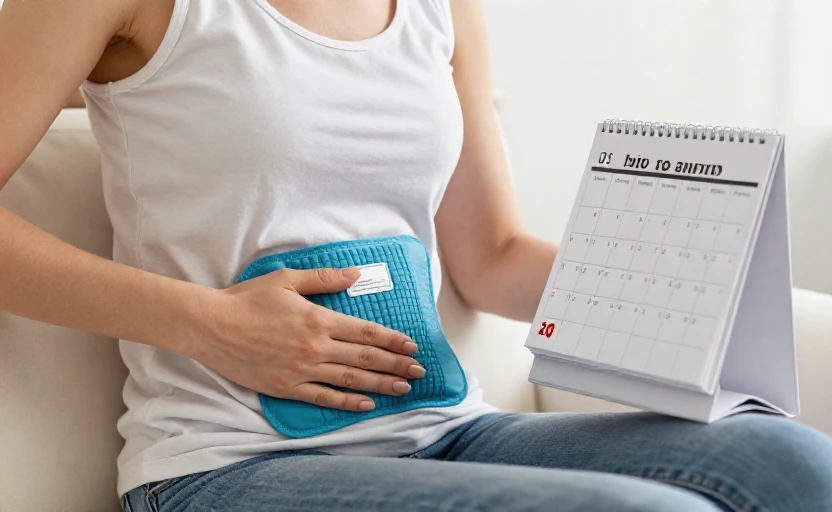
For many, this discomfort is manageable with rest, a heating pad, over-the-counter pain relievers, or gentle movement. It’s a pattern that remains relatively consistent from cycle to cycle. The key marker of “normal” in this context is predictability and responsiveness to basic self-care measures.
What are the signs that pain might be pointing to something else?
Gynecologists urge you to look beyond the calendar and listen to the quality of your pain. There are specific red flags that suggest your menstrual pain may be secondary dysmenorrhea—pain caused by an identifiable reproductive health condition.
Be mindful if your pain:
- Begins several days before your period and continues after it ends.
- Is severe enough to disrupt your daily life, causing you to miss work, school, or social activities regularly.
- Is accompanied by heavy bleeding (soaking through a pad or tampon every hour or two) or passing large clots.
- Occurs with pain during or after sexual intercourse, bowel movements, or urination, especially around your period.
- Feels distinctly different from your typical cramping, such as a sharp, stabbing, or burning sensation.
Pain that progressively worsens over months or years is not something to simply endure. It’s your body asking for attention.
What underlying conditions can cause severe menstrual pain?
Persistent, severe pain is often the most noticeable symptom of conditions that can also impact fertility and long-term health. Two of the most common are endometriosis and adenomyosis.
Endometriosis
This occurs when tissue similar to the uterine lining grows outside the uterus, on organs like the ovaries, fallopian tubes, or bladder. This tissue responds to hormonal cycles by breaking down and bleeding each month, but it has no way to exit the body. This leads to inflammation, scar tissue (adhesions), and often, significant pain. Beyond painful periods, endometriosis is a leading cause of infertility and can be associated with chronic pelvic pain.
Adenomyosis
Often called a “cousin” to endometriosis, adenomyosis happens when that same type of tissue grows into the muscular wall of the uterus itself. This makes the uterus enlarged, tender, and prone to very heavy, painful periods. The pain can be deep and crampy, often lasting the entire duration of bleeding.
Other conditions include uterine fibroids (non-cancerous growths in the uterine wall), pelvic inflammatory disease (often stemming from an untreated infection), and structural issues like a narrowed cervix.
How is the cause of severe pain diagnosed?
If your pain raises concerns, your gynecologist will start with a detailed conversation about your medical history and symptoms. A pelvic exam can check for tenderness or unusual masses. From there, imaging is usually the next step. A transvaginal ultrasound provides a clear view of the uterus and ovaries and can often detect fibroids, adenomyosis, and ovarian cysts associated with endometriosis.
For a definitive diagnosis of endometriosis, a laparoscopy—a minimally invasive surgical procedure—is required. This allows the surgeon to see and potentially treat the lesions directly. It’s important to advocate for yourself during this process. Tracking your symptoms in a journal or app for a few cycles before your appointment can provide invaluable, concrete data for your doctor.
Managing pain and protecting your long-term health
Addressing severe menstrual pain is a dual-purpose endeavor: it seeks to improve your quality of life now and to preserve your health for the future. The approach depends entirely on the underlying cause, your symptoms, and whether pregnancy is a current goal.
For primary dysmenorrhea and management of conditions like endometriosis, hormonal therapies are often a first-line strategy. Birth control pills, patches, rings, or hormonal IUDs work by regulating or stopping ovulation and thinning the uterine lining, which can dramatically reduce both pain and bleeding. For some, prescription-strength anti-inflammatory drugs are more effective than over-the-counter options.
Lifestyle approaches can provide meaningful support alongside medical treatment. Regular, moderate exercise increases blood flow and releases endorphins, the body’s natural painkillers. Applying consistent heat to your abdomen or lower back relaxes contracting muscles. Some find that dietary adjustments, like reducing inflammatory foods (such as refined sugars and trans fats) and increasing anti-inflammatory ones (like omega-3s found in fish), can help modulate pain over time.
For structural issues like large fibroids or severe endometriosis, surgical options may be considered. These range from conservative procedures that remove only the problem tissue to more definitive ones like a hysterectomy. These decisions are deeply personal and made in careful consultation with your gynecologist, weighing all future fertility desires.
The core message from gynecologists is clear: severe menstrual pain is not a badge of endurance. It is a valid health concern. By seeking understanding and care, you’re not just chasing monthly comfort—you’re taking an active role in safeguarding your reproductive health and overall wellbeing for years to come.