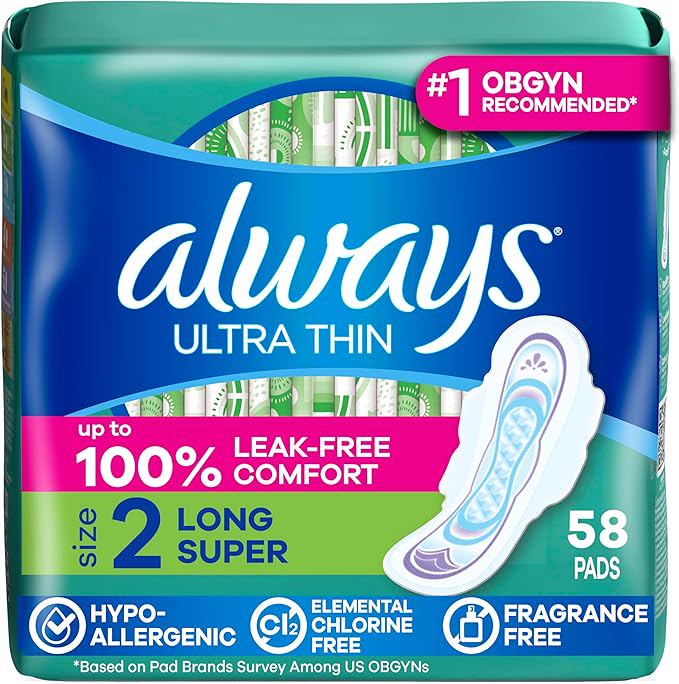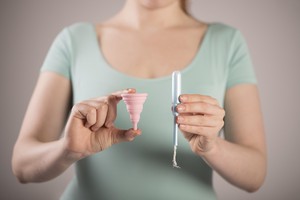
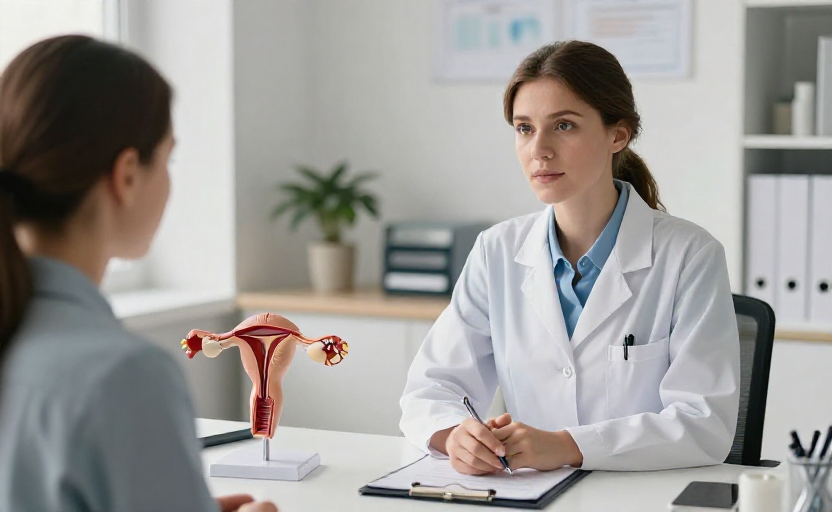
Heavy menstrual bleeding is one of the most common—and most disruptive—symptoms of endometriosis. Yet many people suffer through it silently, uncertain what's normal and when to seek help. Gynecologists emphasize that heavy bleeding associated with endometriosis is not something to manage alone with over-the-counter pain relievers and extra pads. It is a medical signal that deserves attention.
Understanding the connection between endometriosis and heavy bleeding is the first step toward getting the right care. Here is what gynecologists want you to know about this challenging symptom—and what you can do about it.
Why does endometriosis cause heavy bleeding?
Endometriosis occurs when tissue similar to the uterine lining grows outside the uterus, typically on the ovaries, fallopian tubes, and pelvic lining. This misplaced tissue responds to hormonal changes in the menstrual cycle, thickening and breaking down each month just as the uterine lining does. Unlike the uterine lining, however, this tissue has nowhere to exit the body. The result can be inflammation, scar tissue, and adhesions.
Heavy menstrual bleeding—known medically as menorrhagia—can happen for several reasons in people with endometriosis. The endometrial-like tissue growing outside the uterus can affect the hormonal signals that regulate menstrual flow. Additionally, when endometriosis involves the ovaries (endometriomas) or causes significant inflammation in the pelvis, it can disrupt normal uterine contractions and shedding patterns, leading to heavier or longer periods.
What does heavy bleeding from endometriosis feel like?
Gynecologists use a few practical benchmarks. Bleeding that soaks through a pad or tampon every hour for several consecutive hours, periods that last longer than seven days, or clots larger than a quarter in size are all signs of heavy bleeding. For many people with endometriosis, these benchmarks are exceeded month after month.
Beyond the volume of blood, heavy menstrual bleeding often comes with severe cramps that radiate into the lower back and thighs, fatigue from blood loss (which can lead to iron-deficiency anemia), and a disruption of daily life that no one should accept as normal.
If your period is so heavy that you avoid social plans, miss work or school, or feel exhausted and short of breath during your cycle, that is a conversation worth having with a gynecologist.
Could it be something other than endometriosis?
Heavy menstrual bleeding can have many causes. Uterine fibroids, polyps, adenomyosis, thyroid disorders, bleeding disorders, and certain medications can all cause menorrhagia. Endometriosis is just one possible explanation—but it is a common one. According to the World Health Organization, endometriosis affects roughly 10% of women and people assigned female at birth of reproductive age worldwide.
A gynecologist can help sort out what is driving your heavy bleeding through a thorough history, pelvic exam, ultrasound, and sometimes MRI or laparoscopy. Do not assume that heavy bleeding is automatically endometriosis, and do not assume it is "just your period."
What treatments help endometriosis-related heavy bleeding?
Treatment is not one-size-fits-all. Gynecologists tailor recommendations based on the severity of symptoms, whether you want to become pregnant, your age, and how much the bleeding affects your quality of life. Common approaches include:
- Hormonal contraceptives. Birth control pills, the patch, the ring, or hormonal IUDs can thin the uterine lining and significantly reduce menstrual flow. The hormonal IUD (such as Mirena) is often a first-line choice because it delivers hormones locally to the uterus with lower systemic side effects.
- GnRH agonists and antagonists. These medications temporarily suppress ovarian hormone production, creating a menopause-like state that can shrink endometrial lesions and stop menstruation. They are used short-term (typically 3–6 months) to manage severe symptoms.
- NSAIDs. Nonsteroidal anti-inflammatory drugs like ibuprofen or naproxen can reduce both pain and blood loss by inhibiting prostaglandins that drive uterine contractions and inflammation.
- Tranexamic acid. This non-hormonal medication helps blood clots form properly inside the uterus and can reduce heavy menstrual bleeding by up to 50%.
- Surgery. Laparoscopic excision of endometriosis lesions can improve heavy bleeding for many patients. Hysterectomy (removal of the uterus) is considered only after other treatments have failed and when the person is certain they do not want future pregnancy.
It is important to note that no single treatment works for everyone, and managing endometriosis-related heavy bleeding often requires trying different strategies over time.
When should you see a gynecologist about heavy bleeding?
As soon as your period consistently interferes with your life or feels unusually heavy, it is time to make an appointment. Early diagnosis of endometriosis can prevent the condition from worsening and help protect fertility. Keep a simple log: how many days you bleed, how often you change protection, and the size of any clots. Bring this information to your visit.
Do not let anyone tell you that painful, heavy periods are just "part of being a woman." That outdated notion keeps people from getting care that could genuinely improve their daily lives.
Disclaimer: This article is for general health education purposes only and does not replace medical advice. Consult your healthcare provider for personalized diagnosis and treatment.