Managing a heavy menstrual flow presents unique hygiene challenges. It is not just about managing the volume; it is about preventing skin irritation, reducing the risk of infections, and maintaining comfort and confidence throughout the day. Gynecologists emphasize that the right approach can significantly improve quality of life during menstruation.
The cornerstone of safe hygiene during heavy flow is choosing the right menstrual product and changing it frequently. The goal is to keep the area clean, dry, and free from prolonged exposure to moisture, which can lead to bacterial or yeast infections. Here is a breakdown of what specialists recommend for those days when your period is at its heaviest.
Which Menstrual Products Are Best for Heavy Flow?
Not all products handle heavy flow effectively. Selecting the correct absorbency and capacity is the first step to staying dry and protected.
- High-absorbency pads and period underwear: Modern pads are designed with advanced core technology that can hold significant fluid. Look for products labeled "overnight" or "extra heavy." Period underwear specifically designed for heavy flow often has built-in layers that can hold several tampons' worth of fluid, providing a leak-proof backup or standalone option.
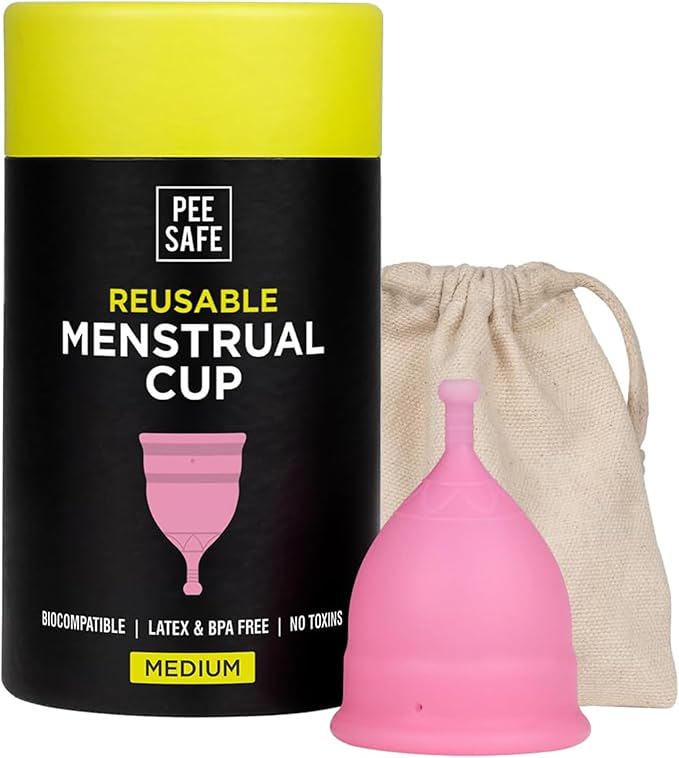
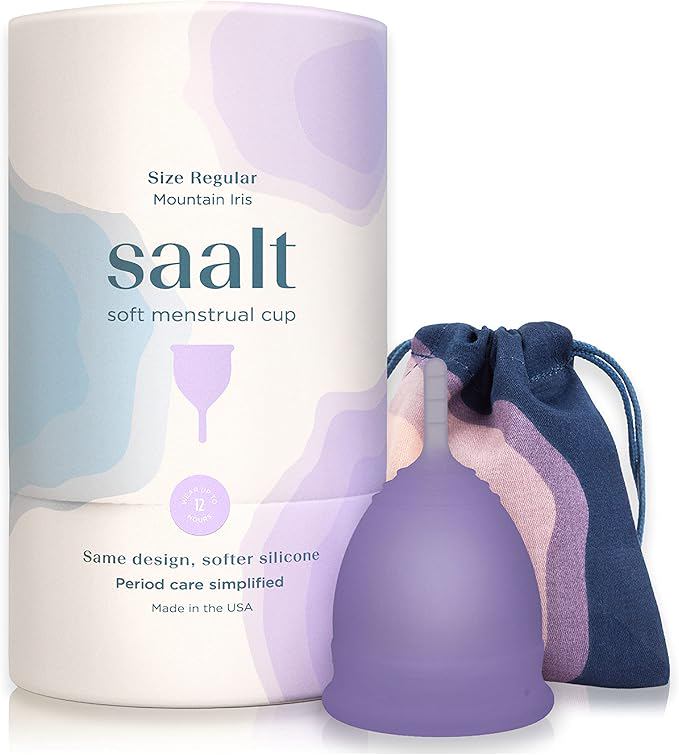
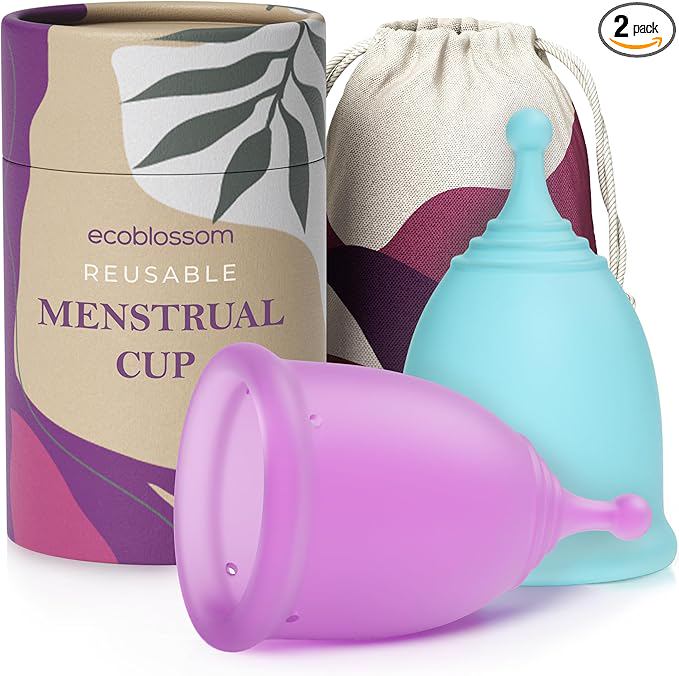
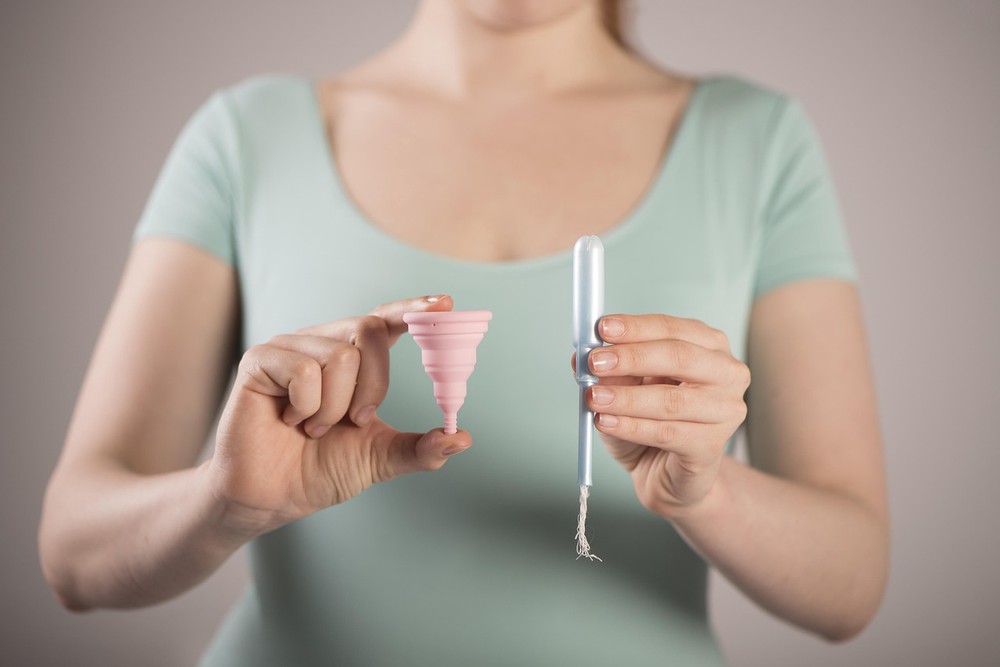
- Menstrual cups and discs: These are often the top recommendation from gynecologists for heavy flow. A menstrual cup can hold significantly more blood than a tampon or pad—often two to three times as much. This means you can go longer between emptying, making them ideal for overnight or busy days. Menstrual discs sit higher in the vaginal canal and can also hold a large volume. Many women with heavy flows find that these reusable options offer superior protection and less mess.
- Avoid over-reliance on tampons: While tampons can be used during heavy flow, they must be changed every four to eight hours. Using a super-plus absorbency tampon is acceptable for short periods, but gynecologists warn against using a tampon that is more absorbent than necessary for your flow. This can dry out vaginal tissues and increase the risk of micro-tears and Toxic Shock Syndrome (TSS).
How Often Should You Change Products During Heavy Flow?
When your flow is heavy, the old rule of "change every four to eight hours" might not be sufficient. The real principle is to change before saturation occurs.
"If your pad is completely soaked in under two hours, or if your menstrual cup overflows earlier than expected, you are changing too late," says a common line of advice from OB/GYNs. Extended contact with saturated blood can irritate the vulvar skin and create a breeding ground for bacteria. A practical tip is to set a timer for two to three hours during the heaviest days. This proactive approach prevents leaks and maintains better hygiene.
Cleaning and Skin Care for Heavy Flow Days
Frequent changing can lead to chafing and irritation. Proper cleaning and skincare are just as important as the product itself.
- Gentle cleansing: Use warm water and a mild, fragrance-free cleanser to wash the vulvar area. Avoid harsh soaps, douches, or scented wipes, as these can disrupt the vaginal pH and natural microbiome, leading to infections like bacterial vaginosis or yeast infections.
- Pat dry, don't rub: After washing or changing products, gently pat the area dry with a clean towel. Rubbing can cause additional friction and irritation, especially on sensitive skin.
- Consider a barrier cream: For those who experience significant chafing, applying a thin layer of a barrier cream (like those used for diaper rash) can protect the skin from moisture and friction. Choose a product with zinc oxide or petroleum jelly, but avoid getting it inside the vagina.
A quick tip: Wearing breathable, cotton underwear can help reduce moisture buildup and keep the area cooler, further lowering the risk of irritation.
Is It Safe to Use Multiple Products at Once?
Yes, this is a common and effective strategy for heavy flow, especially at night. Many gynecologists recommend what is often called "the double-up method."
For example, wearing a menstrual cup or tampon along with a pad or period underwear provides a safety net against leaks. However, it is crucial to remember that the internal product (tampon or cup) still needs to be changed according to its timeline, even if the external backup is barely soiled. For instance, a tampon should never be left in for more than eight hours just because the pad underneath is dry.
When to See a Doctor About Your Heavy Flow
Safe hygiene is critical, but it does not treat the underlying cause of heavy bleeding. If you find yourself consistently needing to change a pad or tampon every hour, or if you pass clots larger than a quarter, it is time to consult a healthcare provider.
Heavy menstrual bleeding (menorrhagia) can be a sign of hormonal imbalances, fibroids, polyps, or other conditions. A gynecologist can help determine the cause and offer treatments—from hormonal therapies like the Mirena IUD to other medical procedures—that can reduce your flow, making hygiene management much easier and safer in the long run.