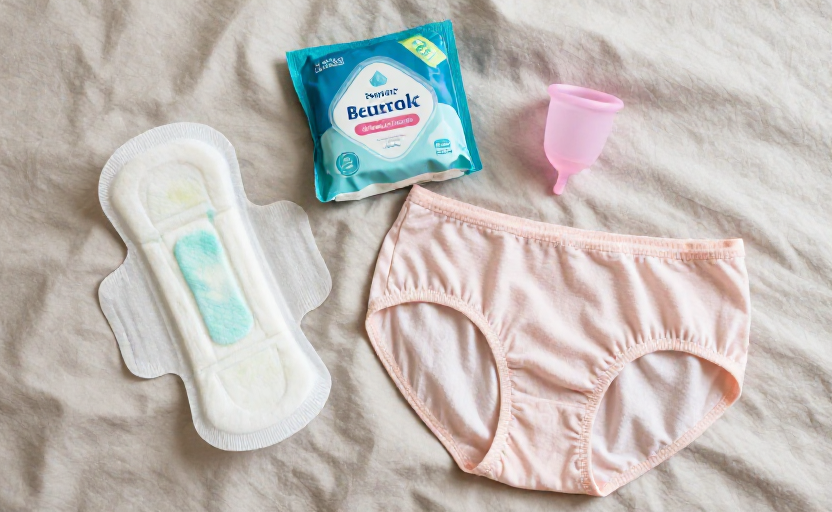
When heavy menstrual bleeding keeps you up at night—soaking through pads, waking up to change protection, or worrying about leaks—it's not just uncomfortable, it's exhausting. Many women wonder whether there's a better way to sleep through their period without disruption. Gynecologists see this concern often, and they have clear, practical recommendations for overnight heavy bleeding protection that go beyond simply doubling up on regular pads.
The key is to find a system that provides high absorbency, secure fit, and enough coverage to last six to eight hours so you can actually rest. Below, experts share the most effective options and how to combine them for the best results.
Why Regular Pads Fall Short at Night
Standard daytime pads are designed for lighter flow and frequent changes. Overnight, when you're lying down for hours, blood can pool and shift, causing leaks at the back or sides of your underwear. The average person loses about 30 to 40 milliliters of blood per period, but those with heavy bleeding (menorrhagia) can lose more than 80 milliliters. Nighttime protection needs to account for both volume and position changes during sleep.
Overnight Pads Designed for Heavy Flow
Gynecologists frequently recommend pads that are specifically labeled as overnight or super heavy. These pads are longer—often extending past the waistband at the back—and wider than daytime versions. Look for features like:
- Extra-long length (usually 12 to 15 inches) to cover from front to back while you lie down.
- Wider back section that catches flow when you move or sleep on your back.
- High-absorbency core made from gel or cotton that can hold several times its weight.
- Leak-guard barriers along the edges to prevent side leaks.
Many brands now offer overnight pads with wings that wrap around the underwear for a secure fit, which helps keep the pad in place during restless sleep.
Period Underwear as a Standalone or Backup
Period underwear has become a go-to solution among gynecologists for overnight heavy bleeding protection. These are absorbent, washable underwear designed with multiple layers that trap blood without feeling wet. For heavy flow, look for underwear marketed as super or heavy overnight—these often hold the equivalent of 4 to 6 regular tampons' worth of fluid.
Some women wear period underwear alone, while others use it as a backup over a menstrual cup or tampon for extra security. The advantage is zero risk of Toxic Shock Syndrome (TSS) compared to tampons, and no waste. Make sure to choose a pair with a gusset that reaches high in the front and back for coverage while lying down.
Pro tip: Wash period underwear in cold water and avoid fabric softener to keep the absorbent layers working effectively.
Menstrual Cups Designed for Heavy Flow
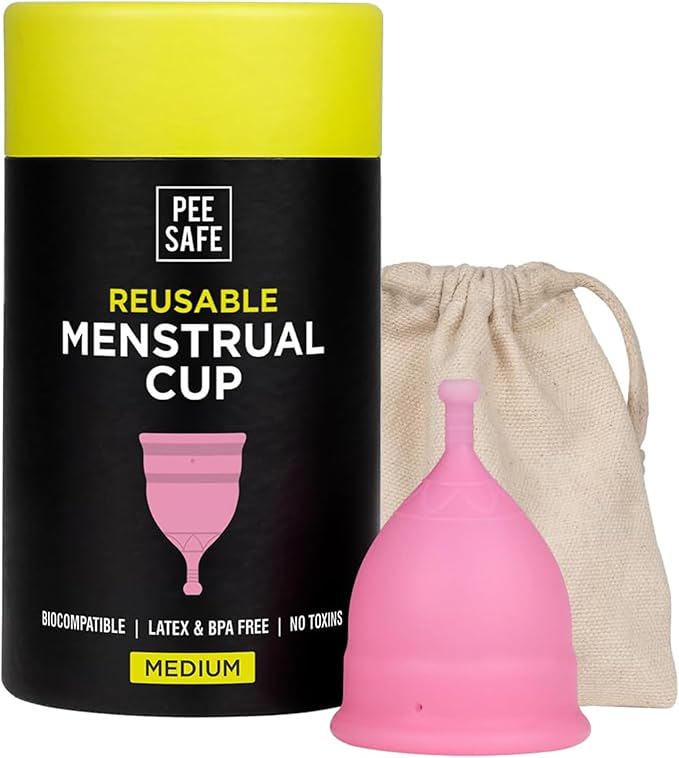
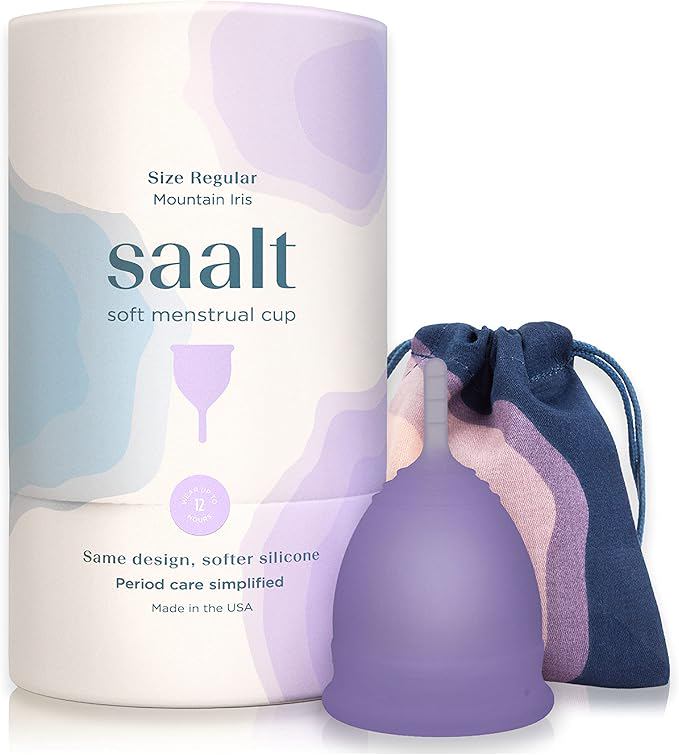
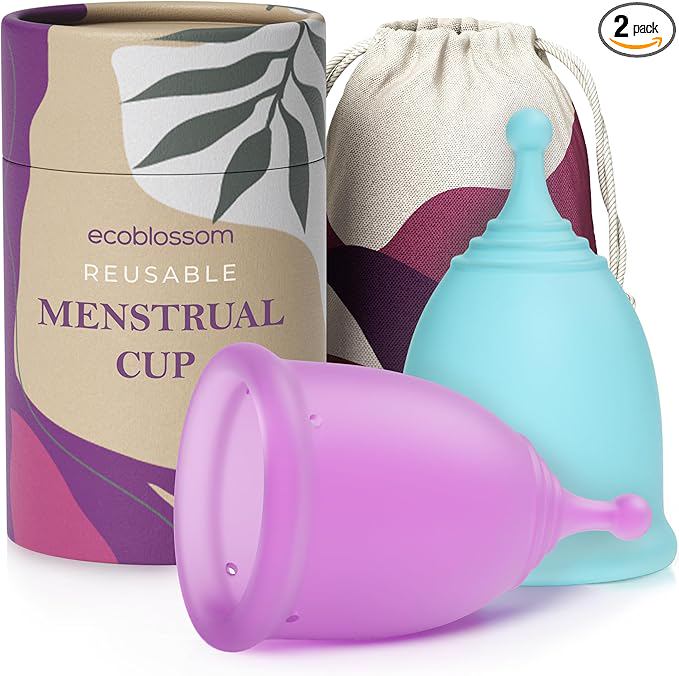
Menstrual cups are reusable silicone cups that collect blood rather than absorbing it. For heavy periods, they can be a game-changer because they hold up to 3 times more fluid than a super tampon—typically 25 to 35 milliliters. Unlike tampons, menstrual cups don't dry out the vaginal lining, and they can be worn for up to 12 hours depending on flow.
Gynecologists recommend checking the cup's capacity: standard sizes hold about 20–25 mL, while larger or high-capacity cups hold 30–40 mL. If your flow is especially heavy, you may need to empty the cup once during the night. Some brands offer a firmer rim for better seal and less chance of leaks during sleep.
To use at night, insert the cup just before bed. In the morning, wash it with mild soap and water. Many women find that combining a menstrual cup with period underwear or a cloth pad provides total peace of mind.
Combining Methods for Maximum Protection
No single product works perfectly for everyone. Gynecologists often suggest layering protection based on your individual flow. Common combinations include:
- Menstrual cup + period underwear: The cup collects the bulk of the flow; the underwear catches any minor leaks.
- Super overnight pad + period underwear: Double absorption and zero worry about shifting.
- Tampon + overnight pad: For those who prefer tampons as their primary method, adding a long pad provides backup.
If you consistently wake up soaked despite these measures, talk to your gynecologist. Heavy bleeding can sometimes signal underlying issues like uterine fibroids, endometriosis, or hormonal imbalances that need medical evaluation.
What to Look for in Overnight Protection
When shopping for heavy-flow overnight products, gynecologists advise focusing on three things: absorbency ratings, material, and fit. Look for terms like "super," "heavy," or "overnight" on the package. For pads, choose those with a cotton top sheet if you have sensitive skin—plastic mesh can cause irritation over many hours of wear. For cups and underwear, ensure the product is free of dyes and fragrances, which can disrupt vaginal pH.
One more thing: consider your sleep position. Side sleepers may benefit from pads with a wider back, while back sleepers might prefer longer coverage at the back. Stomach sleepers often need more front coverage. Some brands design specific overnight pads for different sleep positions.
When to See a Gynecologist
If you need to change your protection every hour or two, or you consistently soak through overnight products, that's a sign of menorrhagia. A gynecologist can perform a simple workup including blood tests and ultrasound to check for anemia, fibroids, or polyps. Treatment options range from hormonal birth control to endometrial ablation, but starting with better overnight protection can improve your quality of sleep and daily energy while you explore other options.
Remember: you deserve a full night's rest, even during your period. With the right combination of absorbent, secure products, heavy overnight bleeding doesn't have to interrupt your sleep.