

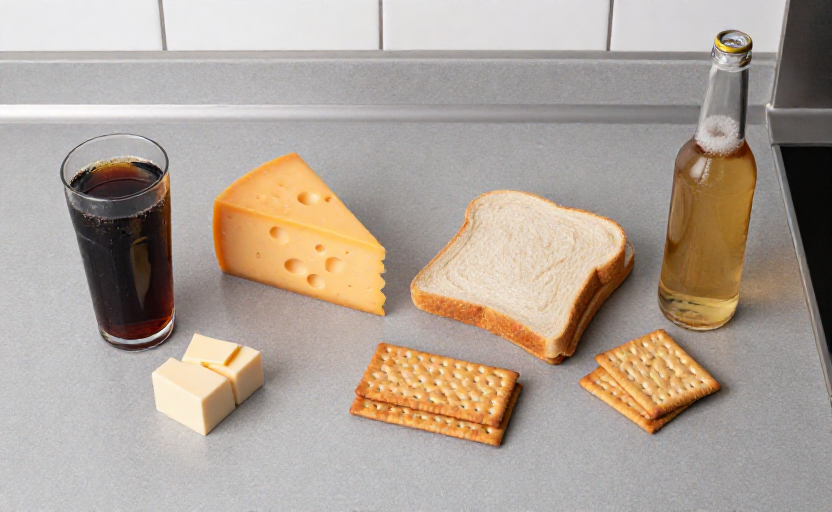
Excess facial and body hair is one of the most frustrating symptoms of polycystic ovary syndrome. When you're dealing with hirsutism, every meal can feel like a gamble. The truth is that certain foods can directly influence the hormonal environment that drives unwanted hair growth. Specifically, they can raise insulin levels, increase androgen activity, or promote inflammation—creating a perfect storm for more hair growth.
No single food causes hirsutism, and cutting out a few items won't reverse it overnight. However, identifying and reducing the right dietary triggers can help lower androgen levels and make other treatments more effective. Here are five foods that tend to worsen hirsutism in PCOS, with practical reasons to consider cutting back.
1. Sugary Drinks and Refined Carbohydrates
High-glycemic foods are public enemy number one for PCOS-related hirsutism. When you drink a soda, sweet tea, or fruit juice, or eat white bread, pasta, or sugary cereal, your blood sugar spikes rapidly. Your pancreas responds by pumping out a surge of insulin. In PCOS, cells are often resistant to insulin, so the body produces even more to compensate.
High insulin levels stimulate the ovaries and adrenal glands to produce more testosterone. This free testosterone then travels to hair follicles and triggers the coarse, dark hair growth typical of hirsutism. One large observational study found that women with PCOS who consumed a high-glycemic diet had significantly higher free androgen indexes than those who ate lower-glycemic diets.
What to do: Replace soda and juice with sparkling water or unsweetened herbal tea. Swap white rice, white bread, and regular pasta for quinoa, brown rice, or lentil-based pasta.
2. Dairy Products
The relationship between dairy and hirsutism is more nuanced than sugar, but for many women with PCOS, it matters. Cow's milk naturally contains growth factors and hormones meant for calves. It also has a high insulinemic index—meaning it can spike insulin nearly as much as white bread does in some people, even though it doesn't raise blood sugar directly.
Additionally, dairy can increase levels of insulin-like growth factor 1 (IGF-1). IGF-1 resembles insulin structurally and can amplify androgen production and the sensitivity of hair follicles to androgens. A 2020 systematic review in Nutrients found that higher dairy intake was associated with higher testosterone and more severe hirsutism among women with PCOS.
What to do: Try a two-week elimination of milk, cheese, yogurt, and ice cream. Replace with unsweetened almond, oat, or coconut milk. See if your skin and hair growth patterns change.
If you do not notice any difference after two weeks without dairy, it may not be a major trigger for you. Many women can reintroduce cheese or yogurt in small amounts without issues once hormones stabilize.
3. Trans Fats and Highly Processed Oils
Inflammation is a core driver of PCOS symptoms, including hirsutism. Trans fats—found in margarine, shortening, packaged baked goods, fried fast food, and many crackers—are the most inflammatory type of fat you can eat. They disrupt cell membrane function and interfere with how your cells respond to insulin and hormones.
Even vegetable oils high in omega-6 fatty acids (soybean, corn, sunflower, and cottonseed oils) can promote inflammation when consumed in excess, especially if your diet is low in omega-3s. Chronic inflammation worsens insulin resistance and may increase the conversion of weaker androgens into stronger ones like dihydrotestosterone (DHT), which directly stimulates facial and body hair growth.
What to do: Cook with olive oil, avocado oil, or coconut oil instead. Avoid foods with "partially hydrogenated oil" or "vegetable oil" as a primary ingredient. Eat whole, unprocessed foods whenever possible.
4. Soy-Based Processed Foods in Excess
Soy is a double-edged sword in PCOS nutrition. Small amounts of whole soy foods like edamame or tempeh are generally fine, but concentrated soy protein isolates found in many protein powders, meat substitutes, and energy bars may affect hormone balance in some women.
The concern is that isoflavones in soy can weakly bind to estrogen receptors. While this can be protective in some contexts, in the setting of PCOS where androgen levels are already high, some research suggests that high-dose soy isolates could disrupt the normal feedback loop between estrogen and the pituitary gland, potentially allowing LH (luteinizing hormone) to rise further. Higher LH can prompt the ovaries to produce more androgens.
This effect is individual—not every woman with PCOS reacts poorly to soy. But if hirsutism is resistant to other dietary changes, looking at processed soy intake is worth considering.
What to do: Stick to fermented or whole soy like miso, tempeh, and edamame in moderation (1-2 servings per week). Skip soy protein isolates and soy-based protein shakes designed for muscle building.
5. Alcohol, Especially Beer and Sugary Cocktails
Alcohol puts immediate stress on the liver. Your liver is responsible for metabolizing hormones, including androgens like testosterone. When the liver is busy processing alcohol, it may not clear excess androgens as efficiently. Alcohol also raises estrogen levels acutely, which can shift hormonal ratios in ways that may worsen hirsutism over time.
Beer is worth special mention because it contains both alcohol and barley-derived compounds that can raise prolactin levels. Prolactin can sensitize hair follicles to the effects of androgens. Sugary cocktails add the double whammy of alcohol plus high sugar, which triggers the insulin-androgen cascade described earlier.
What to do: Limit alcohol to occasional use. If you drink, choose clear spirits mixed with soda water and lime, or dry wine. Keep it to one drink at a time, and avoid drinking daily.
How to Use This Information
Dietary changes for hirsutism are not about perfection or deprivation. The goal is to reduce the hormonal signals that tell hair follicles to produce thick, dark hairs. Focus on adding more vegetables, lean protein, healthy fats, and fiber-rich carbs. Let the removal of these five categories be a gradual process.
Many women with PCOS find that combining dietary changes with other treatments—like anti-androgen medications, birth control pills, or spearmint tea—gives the best results. Track your symptoms for at least three months after making changes before deciding whether a particular food truly makes a difference for you.








