Hashimoto's disease is one of the most common autoimmune conditions in the United States, yet it often takes years to diagnose. Even after diagnosis, many people continue to struggle with fatigue, brain fog, and weight changes despite taking medication. For decades, the standard medical narrative focused on genetics and immune system misfiring, but a growing number of endocrinologists and functional medicine experts are pointing to something far more immediate and often overlooked: the gut-thyroid connection.
If you or someone you know has Hashimoto's, understanding this link might be the missing piece of the puzzle. The research is clear that chronic inflammation in the gut can directly trigger and worsen autoimmune thyroid disease. Here is what experts are saying about the root cause that seldom gets discussed in a standard doctor's office.
The Gut-Thyroid Axis: What Your Microbiome Has to Do with Hashimoto's
The relationship between your digestive system and your thyroid is not a fringe theory. A 2020 review in Frontiers in Endocrinology confirmed that intestinal permeability—often called leaky gut—is present in a high percentage of Hashimoto's patients. When the lining of the small intestine becomes damaged, undigested food particles, toxins, and bacteria can slip into the bloodstream. The immune system, seeing these foreign particles as threats, mounts an attack. In people genetically predisposed to autoimmunity, that attack can cross-react with thyroid tissue.
Dr. Alessio Fasano, a leading researcher in celiac disease and autoimmunity, has described intestinal permeability as a prerequisite for autoimmune disease to develop in genetically susceptible individuals. Without a healthy gut barrier, the immune system stays on high alert, constantly triggering inflammation that can eventually target the thyroid.
Why Standard Testing Misses This
Most primary care doctors do not screen for intestinal permeability or food sensitivities when they diagnose Hashimoto's. The standard panel typically includes TSH, T4, and thyroid antibodies. These tests confirm that the immune system is attacking the thyroid, but they give no clues about why the attack started or what is perpetuating it. Experts argue that without addressing the gut, thyroid medication alone cannot stop the underlying autoimmune process. Medication can replace missing hormone, but it does not calm the immune system.
The Role of Gluten and Molecular Mimicry
One of the most studied triggers in the gut-thyroid connection is gluten. A 2019 study in Nutrients found that 80% of Hashimoto's patients who followed a gluten-free diet for six months saw a significant reduction in thyroid antibodies. The mechanism is called molecular mimicry: the protein structure of gluten, specifically gliadin, closely resembles the structure of thyroid tissue. In a person with leaky gut, fragments of gluten enter the bloodstream, the immune system attacks them, and because of the similarity, it accidentally starts attacking the thyroid as well.
Dr. Datis Kharrazian, a clinical researcher in autoimmune neurology, notes that gluten is not the only trigger. Dairy, soy, and even certain lectins in legumes can mimic thyroid tissue in some individuals.
This does not mean everyone with Hashimoto's must avoid gluten for life, but experts recommend a trial elimination diet of at least 30 days to see if antibody levels drop or symptoms improve. The key is to test, not guess.
Infections as Hidden Triggers
Another overlooked cause that experts point to is chronic low-grade infections, particularly from Epstein-Barr virus (EBV) and Yersinia enterocolitica. EBV is the virus that causes mononucleosis, and it can hide in the body for years, reactivating during times of stress. A 2018 study in Viral Immunology showed that EBV infection can trigger molecular mimicry against thyroid tissue, similar to gluten.
Yersinia, a bacteria that causes food poisoning, has a surface protein that closely resembles the TSH receptor on thyroid cells. When the immune system fights the bacteria, it can accidentally bind to the thyroid and stimulate or block thyroid function. This link is so well-documented that some researchers believe yersinia infection may be the initiating event in many cases of Hashimoto's disease.
Nutrient Deficiencies That Fuel the Fire
Even the best thyroid medication will not work optimally if the body is missing key nutrients. Several vitamins and minerals are critical for both thyroid function and immune regulation.
- Selenium is essential for converting T4 (the inactive hormone) into T3 (the active form). Low selenium levels are directly linked to higher thyroid antibodies. Brazil nuts, sardines, and eggs are excellent sources.
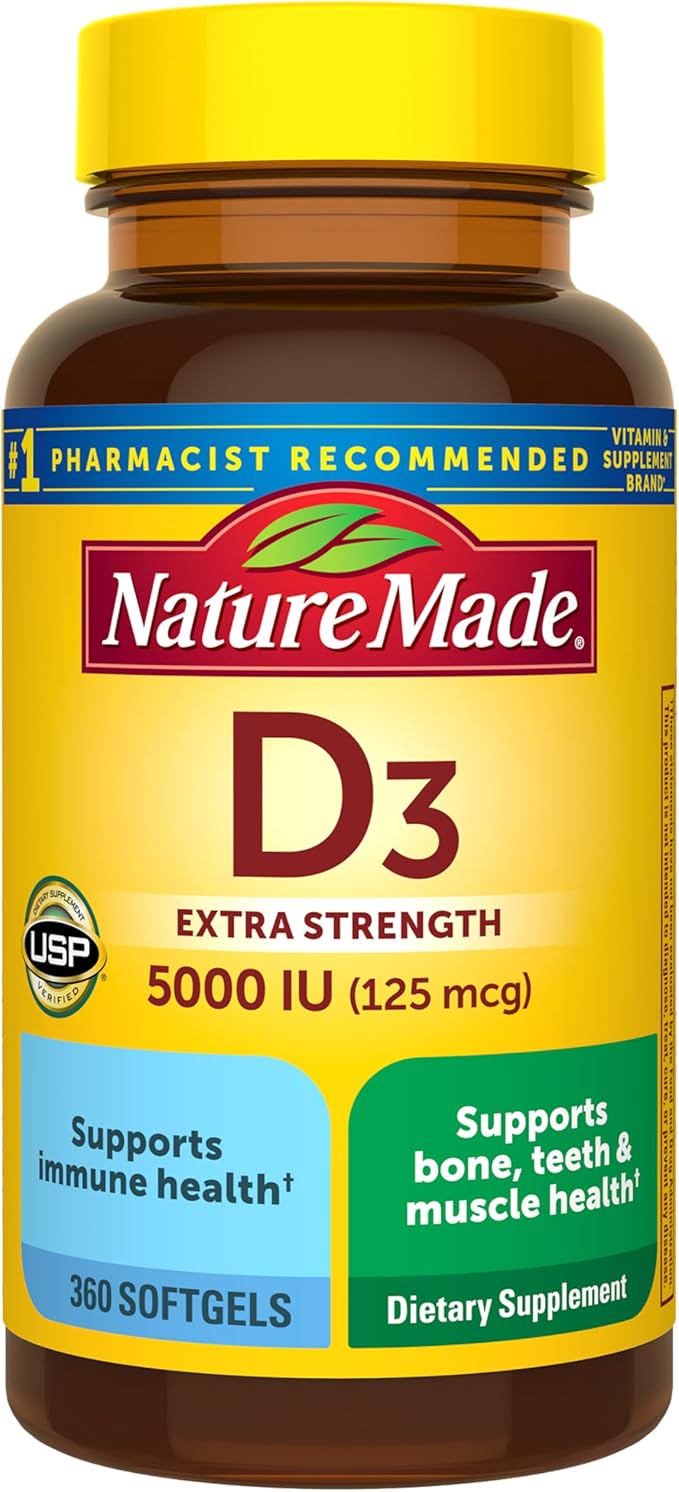
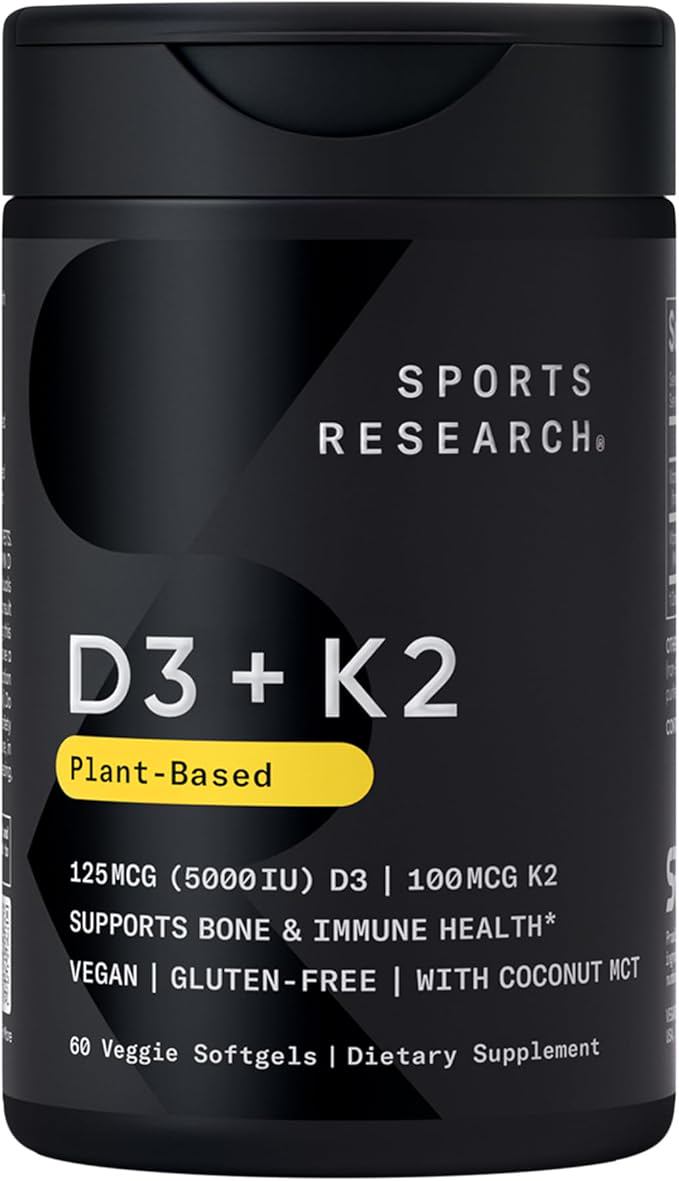
- Vitamin D deficiency is almost universal in autoimmune populations. Vitamin D acts as a powerful immune modulator; low levels are associated with more aggressive autoimmune attacks.
- Zinc supports thyroid hormone synthesis and helps maintain the intestinal barrier. A deficiency can worsen both leaky gut and hypothyroidism symptoms.
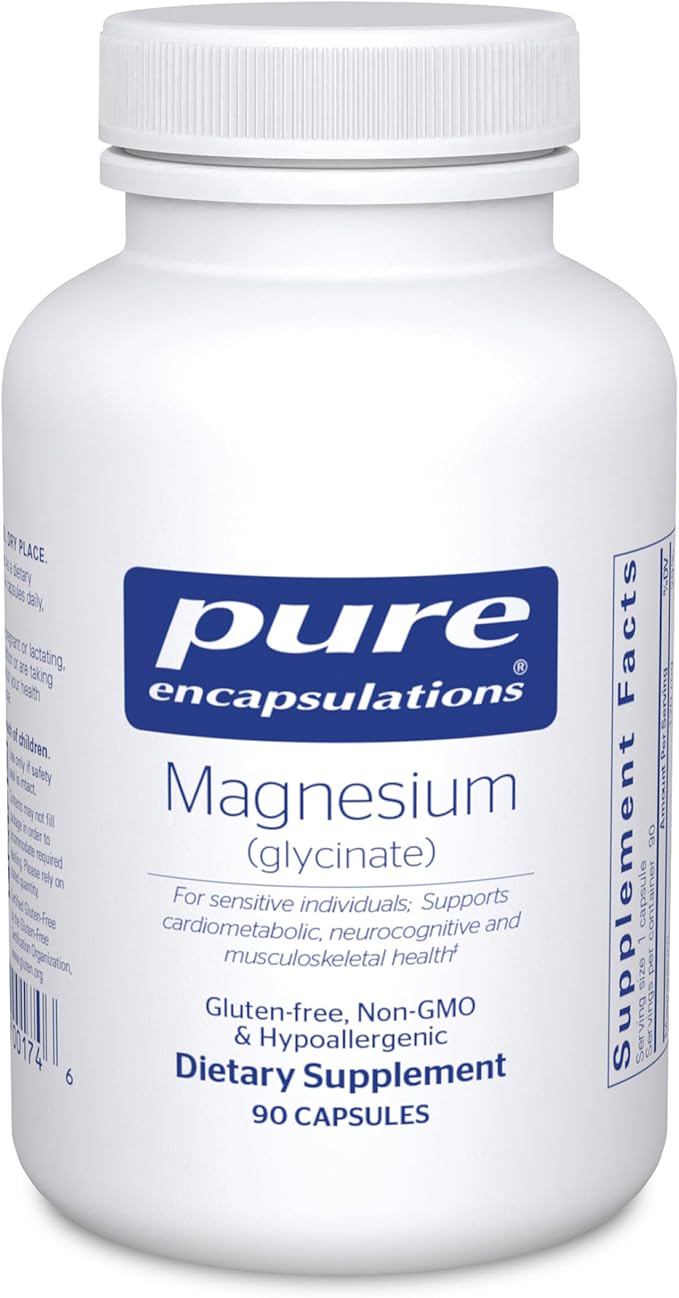
- Magnesium is required for the conversion of T4 to T3, and many people with Hashimoto's report fatigue and muscle cramps that improve with magnesium supplementation.
Experts emphasize that testing before supplementing is crucial. Taking high-dose selenium without knowing your baseline can be toxic, and megadosing vitamin D without monitoring can lead to calcium imbalances.
Stress and Cortisol: The Gateway to Autoimmunity
Chronic stress plays a direct role in gut permeability. When cortisol stays high for extended periods, it thins the intestinal lining and disrupts the tight junctions between cells. This makes leaky gut more likely. At the same time, high cortisol suppresses the immune system in some ways and over-activates it in others, creating the perfect environment for autoimmunity to take hold.
Dr. Mark Hyman often describes stress as the fertilizer for autoimmune disease. In Hashimoto's patients, managing stress is not a nice-to-have; it is a core part of treatment. Practices such as vagus nerve stimulation, deep breathing, and consistent sleep schedules have been shown to reduce antibody levels in some studies.
What Experts Recommend Doing
No single protocol works for everyone, but the experts generally agree on a sequence of steps to address the overlooked causes of Hashimoto's disease.
- Run comprehensive lab work. Beyond standard thyroid tests, ask for vitamin D, selenium, zinc, ferritin, and a food sensitivity panel. Some practitioners also recommend stool testing to look for gut infections or dysbiosis.
- Try a 30-day elimination diet. Remove gluten, dairy, soy, and eggs for one month. Reintroduce them one at a time while tracking symptoms and, ideally, retesting antibodies.
- Support the gut lining. L-glutamine, zinc carnosine, and bone broth are common tools used to repair intestinal permeability. A functional medicine doctor can help tailor this to your needs.
- Address infections. If you have a history of mono or chronic viral symptoms, ask about EBV antibody testing. Yersinia testing is less common but can be done through specialty labs.
- Manage stress proactively. 10 minutes of diaphragmatic breathing twice a day has measurable effects on cortisol and gut barrier function.
The most overlooked cause of Hashimoto's disease is not a single factor. It is a convergence of gut dysfunction, immune triggers like gluten or infections, nutrient deficiencies, and stress. The good news is that these are modifiable. By shifting the focus from just replacing thyroid hormone to supporting the entire system, many people find not only better lab results but a real improvement in how they feel every day.