
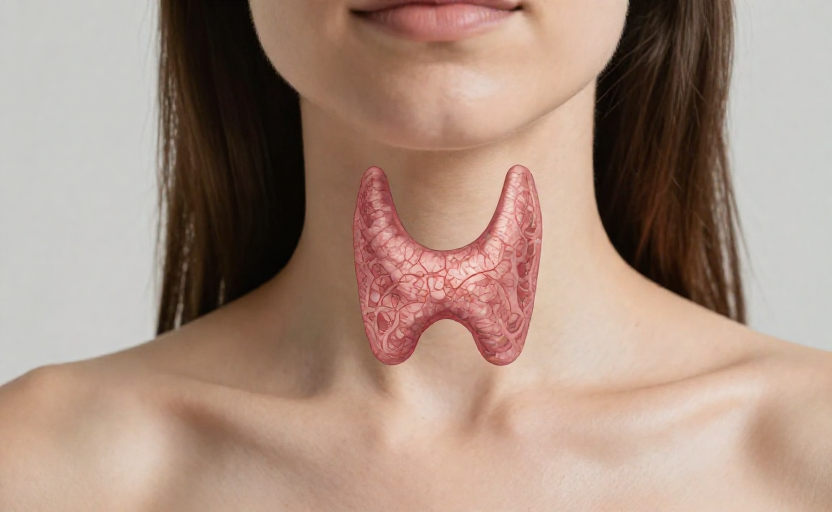
Your thyroid gland is a small, butterfly-shaped organ at the base of your neck, but the hormones it produces influence virtually every cell in your body. When this system starts to falter, the ripple effects can be surprisingly broad, often masquerading as fatigue, unexplained weight changes, or a general sense of feeling "off." Understanding the specific warning signs that endocrinologists look for is the first step toward getting an accurate assessment and appropriate support.
Many people assume that a thyroid problem is easy to spot — either the gland is sluggish and you gain weight, or it is overactive and you lose weight. While those patterns certainly occur, the reality is far more nuanced. Subtle symptoms can develop slowly over months or years, and they can easily be mistaken for stress, aging, or a busy lifestyle. Here is what specialists want you to know about the connection between your thyroid and your metabolism, and which signs deserve a closer look.
How the Thyroid Sets Your Metabolic Tone
The thyroid gland produces two main hormones: triiodothyronine (T3) and thyroxine (T4). These hormones act like a thermostat for your metabolism, controlling how quickly your body converts food into energy, how warm you stay, and even how fast your heart beats. When production is well balanced, your metabolism hums along at a steady rate. When the balance tips, everything from your digestive speed to your mental clarity can be affected.
Endocrinologists emphasize that metabolism is not just about calories and weight. It encompasses how your body builds and repairs tissue, regulates temperature, and manages energy at the cellular level. That is why changes in thyroid function can show up in ways that seem unrelated to metabolism at first glance.
Lesser-Known Warning Signs That Signal a Thyroid Issue
Most people know about classic symptoms like fatigue, weight gain, or feeling cold all the time (which point toward hypothyroidism, an underactive gland) or unexplained weight loss, rapid heartbeat, and heat intolerance (which suggest hyperthyroidism, an overactive gland). But there are several less obvious indicators that endocrinologists find equally telling.
Unexplained Muscle and Joint Discomfort
You might experience vague achiness in your muscles or joints, especially in the morning. When thyroid hormone levels are low, your muscles can feel stiff and slow to recover. Conversely, an overactive thyroid can cause muscle weakness, especially in the thighs and upper arms. If you notice that everyday activities like climbing stairs or lifting grocery bags feel unusually difficult, it is worth discussing with your doctor.
Brain Fog and Mood Shifts
Thyroid hormones are essential for brain function. Sluggish thinking, difficulty concentrating, memory lapses, or a persistent brain fog are common complaints with hypothyroidism. On the flip side, hyperthyroidism can bring on anxiety, irritability, and a jittery feeling that mimics a panic attack. Because these symptoms overlap with mental health conditions like depression or generalized anxiety, the thyroid connection is often overlooked.
Changes in Hair, Skin, and Nails
Your skin and hair are among the most metabolically active tissues in your body. With an underactive thyroid, you may notice hair thinning, dry and coarse hair, or brittle nails. Skin can become dry, rough, or pale. With an overactive gland, the skin might feel excessively warm, moist, and flushed. Hair loss in a pattern that seems abnormal for your age or family history warrants a basic thyroid screening.
Digestive Irregularities
Metabolism includes digestion. Chronically slow bowel movements, constipation, or a feeling of incomplete evacuation can be linked to low thyroid function. Conversely, frequent loose stools or diarrhea can occur with an overactive thyroid. If your bowel habits have shifted persistently without a clear reason, your thyroid may be involved.
A clinical pearl from endocrinologists: Many subtle thyroid symptoms appear gradually. Keeping a simple log of how you feel each morning — your energy, digestion, mood, and temperature — can reveal patterns that a one-time blood test might not capture.
When to Consider Testing
If you are experiencing a combination of these warning signs, especially if they have been present for several weeks or more, a thyroid function test is a reasonable next step. The standard initial evaluation includes measuring Thyroid Stimulating Hormone (TSH). When TSH falls outside the normal range, it indicates that the pituitary gland is working harder to stimulate the thyroid, or that the thyroid is responding too strongly.
You do not need every symptom on this list to warrant testing. Even two or three persistent changes — such as fatigue plus dry skin plus brain fog — can be enough to justify a conversation with a healthcare provider. Endocrinologists caution against requesting thyroid medication without a confirmed diagnosis, as taking hormones when they are not needed can suppress your thyroid's natural function.
Lifestyle Factors That Support Thyroid Health
While diet alone cannot treat a thyroid disorder, certain nutrients are essential for the gland to function properly. Iodine, selenium, and zinc play direct roles in hormone production and conversion. Selenium is especially important for converting T4 (the storage form) into T3 (the active form). Good dietary sources of selenium include Brazil nuts, tuna, sardines, and eggs. Iodine is found in seaweed, fish, dairy, and iodized salt.
Zinc, another key nutrient, appears in oysters, beef, pumpkin seeds, and chickpeas. A balanced diet that includes these foods supports general wellness but should not be seen as a treatment for an established thyroid condition.
It is also important to avoid extreme dietary patterns. Very low-calorie diets or severe restriction of carbohydrates can suppress T3 production and slow metabolism further. Similarly, consuming very large amounts of raw cruciferous vegetables like kale or cabbage — though generally healthy — can interfere with iodine uptake in susceptible individuals, especially when eaten raw in very high quantities. Cooking these vegetables reduces the compounds responsible for that effect.
The Importance of a Full Clinical Picture
One message endocrinologists consistently share is that blood test results must be interpreted alongside your symptoms, age, and overall health. No single number tells the whole story. For example, a mildly elevated TSH might be normal for some people, while others with a "normal" TSH may still experience significant symptoms if their T4-to-T3 conversion is impaired.
If you pursue testing, you may also need a free T4 and free T3 measurement, plus thyroid antibody tests to check for autoimmune thyroiditis (Hashimoto's disease). Hashimoto's is the most common cause of hypothyroidism in iodine-sufficient regions, and it can run in families. Knowing whether an autoimmune process is at work can help guide long-term management and monitoring.
Bottom line: Your thyroid's influence on metabolism is deep and wide-reaching. Warning signs often emerge in the body's less obvious systems — muscles, brain, skin, and digestion. If you notice a cluster of subtle changes that do not resolve, a comprehensive thyroid evaluation can provide clarity and a path toward better metabolic balance.