When your thyroid is out of balance, your hair can take the hit. It is one of the most visible and distressing symptoms of both hypothyroidism and hyperthyroidism. You brush your hair and find more strands than usual in the bristles. You look at the shower drain and feel a knot of worry. The good news is that while medication and medical management are foundational for thyroid health, what you put on your plate can make a meaningful difference in slowing or stopping that excessive shedding.
Hair follicles are some of the most metabolically active cells in the body. They need a steady supply of specific nutrients to keep producing strong, anchored strands. When thyroid hormones are low or fluctuating, the hair growth cycle shifts. More follicles enter the resting phase, and existing hairs fall out faster than new ones can grow. This is not permanent hair loss in most cases—but it does require targeted nutritional support to help your body shift back into a growth phase. Below are six foods that supply the key building blocks for healthier, more resilient hair when your thyroid is struggling.
Eggs for protein and biotin
Hair is made almost entirely of a protein called keratin. Without enough protein in your diet, your body will slow hair production to conserve resources. Eggs provide a complete protein source, meaning they contain all the essential amino acids your body cannot make on its own. They are also one of the best food sources of biotin, a B vitamin that is often low in people with thyroid conditions. Biotin plays a direct role in keratin production. Add two eggs to your breakfast or lunch and you give your follicles a steady stream of both raw materials and the vitamin needed to use them.
A note on biotin and lab tests: If you take a biotin supplement or eat very large amounts of biotin-rich foods daily, let your doctor know before thyroid blood work. Biotin can interfere with lab results and lead to a false reading.
Brazil nuts for selenium
Your thyroid gland contains the highest concentration of selenium of any organ in the body. This mineral is required to convert the inactive thyroid hormone T4 into the active form T3. Without enough selenium, that conversion slows down, and hair shedding often follows. Selenium also protects the thyroid gland from oxidative damage. Just one or two Brazil nuts per day provide more than enough selenium to support this process. Eating more than that regularly can push selenium levels into a toxic range, so stick with a small handful a few times per week.
Spinach for iron and folate
Iron deficiency is one of the most common causes of hair shedding in women, and it is even more prevalent in people with hypothyroidism. Low iron directly impairs the ability of hair follicles to generate new cells. Spinach delivers non-heme iron along with folate, a B vitamin that supports red blood cell production. Better oxygen delivery to the scalp keeps follicles active. Spinach also contains vitamin C, which helps your body absorb the iron it provides. Eat it lightly steamed or raw in a smoothie. Cooking spinach reduces oxalate content, which can free up more iron for absorption.
Wild salmon for vitamin D and omega-3s
Vitamin D receptors are present in hair follicles, and low vitamin D levels are linked to non-scarring alopecia and increased shedding in thyroid patients. Wild salmon is one of the few natural food sources of significant vitamin D. It also supplies omega-3 fatty acids (EPA and DHA). These fats help calm the low-grade systemic inflammation that can accompany autoimmune thyroid conditions like Hashimoto’s disease. Less inflammation means less immune attack on the follicle environment. Aim for two servings of fatty fish per week, or about six ounces total.
Pumpkin seeds for zinc
Zinc is a trace mineral that supports hair follicle repair and growth. It also helps regulate the immune system, which is especially relevant for anyone with an autoimmune thyroid condition. Low zinc levels are associated with increased hair shedding, brittle hair, and slow regrowth. Pumpkin seeds are a concentrated, plant-based source of zinc. A quarter-cup serving provides roughly 20 percent of the daily requirement. They also contain magnesium and iron, which further support thyroid function and circulation. Sprinkle them on salads, oatmeal, or eat them as a simple snack.
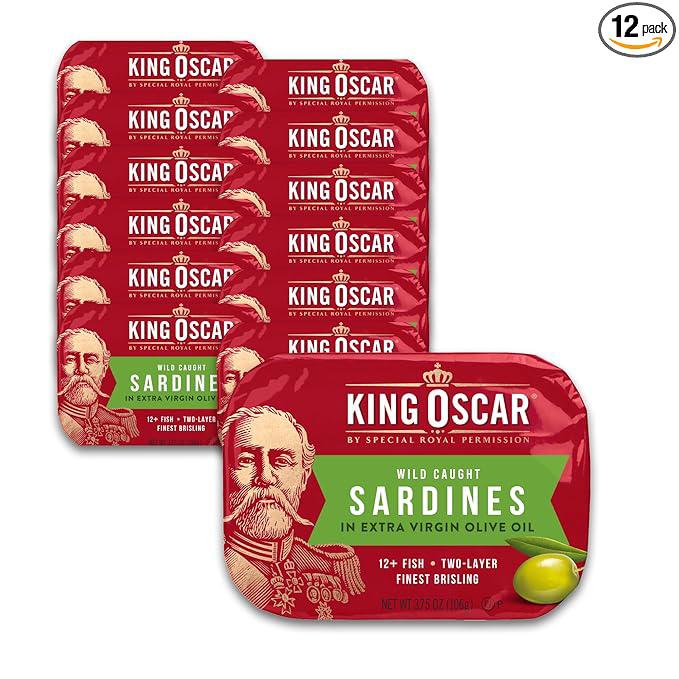
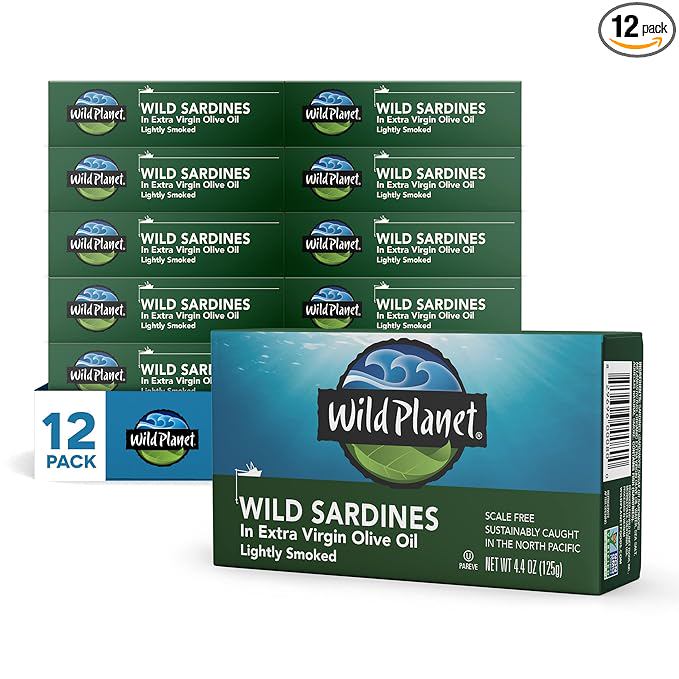
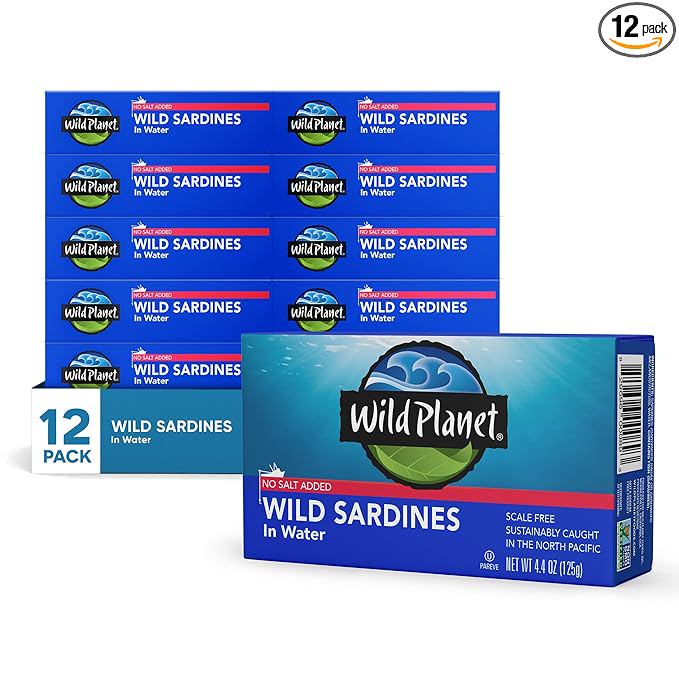
Sardines for iodine and protein
Iodine is the essential building block of thyroid hormones T3 and T4. Without enough iodine, your thyroid cannot produce adequate hormone, and the hair growth cycle stalls. Sardines are one of the few foods that naturally combine iodine with high-quality protein and healthy fats. They also contain selenium and vitamin D, making them a potent multi-nutrient food for thyroid-related hair concerns. Canned sardines are convenient and affordable. Mash them on whole-grain toast or add them to a salad for a quick, nutrient-dense meal.
Incorporating these foods into your regular eating pattern will not fix a thyroid condition on its own, but it does give your body the raw materials it needs to produce healthier hair from the inside out. Consistency matters more than perfection. Pick one or two of these foods to include each day, and give your hair at least three to six months to show improvement in thickness and shedding. If shedding continues despite good nutrition and thyroid management, speak with your healthcare provider about deeper investigations into ferritin, vitamin D, and zinc levels.