
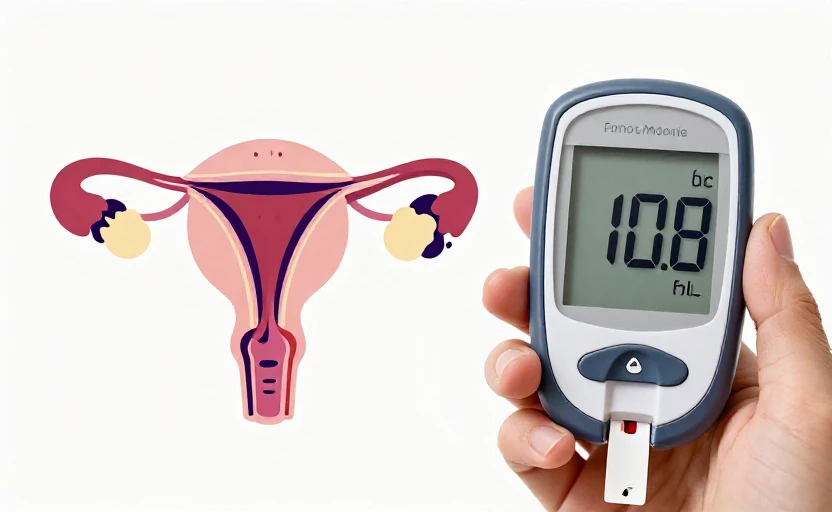
If you’re living with polycystic ovary syndrome (PCOS), you’ve likely navigated a complex web of symptoms—from irregular cycles and fertility concerns to changes in weight and skin. What often gets less immediate attention, but is critically important for long-term health, is the significant link between PCOS and an increased risk for type 2 diabetes. This connection isn’t just a footnote; it’s a central part of the hormonal and metabolic picture of PCOS that endocrinologists emphasize in their care.
The relationship stems from a shared root: insulin resistance. This is a condition where your body’s cells don’t respond efficiently to the hormone insulin, which is responsible for ushering glucose (sugar) from your bloodstream into your cells for energy. When cells resist insulin, your pancreas pumps out more and more of it to try to get the job done. This elevated insulin level, or hyperinsulinemia, is a key driver of both PCOS symptoms and the path toward prediabetes and diabetes.
Why Insulin Resistance Is the Common Thread
Think of insulin resistance as the physiological bridge connecting PCOS and metabolic health. High insulin levels don’t just affect blood sugar; they directly impact your ovaries, stimulating them to produce more androgens (like testosterone). This excess of “male” hormones is what leads to many classic PCOS symptoms: acne, excess facial or body hair (hirsutism), and disrupted ovulation.
Simultaneously, the struggle to manage blood glucose places a constant strain on your pancreatic beta cells, the ones that produce insulin. Over years, this strain can lead to these cells becoming exhausted and failing to keep up with demand, allowing blood sugar levels to rise permanently—the definition of type 2 diabetes.
Insulin resistance is often the unseen engine behind both your PCOS symptoms and your metabolic risk. Addressing it is addressing the core of the condition.
Understanding Your Actual Risk Level
It’s a sobering statistic: individuals with PCOS have a significantly higher risk of developing type 2 diabetes compared to those without the condition. Some studies suggest the risk is up to four times higher, and it can occur at a younger age. This isn’t meant to cause alarm, but to empower you with knowledge. Your risk is influenced by several factors you can discuss with your doctor:
- Body Composition: Carrying more weight, particularly around the abdomen, can worsen insulin resistance. However, it’s crucial to note that insulin resistance occurs in people with PCOS across all body sizes.
- Family History: A parent or sibling with type 2 diabetes increases your personal risk profile.
- Age: Risk increases as we get older, but with PCOS, blood sugar changes can start early.
- Other Health Markers: High blood pressure or abnormal cholesterol levels often travel together with insulin resistance.
Proactive Steps: What You Can Do Now
The goal isn’t surveillance out of fear, but proactive care rooted in strength. You have powerful levers to pull that can dramatically improve insulin sensitivity and lower your diabetes risk, often while alleviating PCOS symptoms.
Movement as Medicine
Physical activity is one of the most effective tools. It helps your muscles use glucose more efficiently, independent of insulin. You don’t need marathon training. Consistency is key.
- Strength Training: Building muscle mass increases your body’s glucose-absorbing tissue. Aim for resistance exercises 2-3 times per week.
- Regular Walking: A daily 30-minute brisk walk can have a profound impact on metabolic health.
- Breaking Up Sitting: If you have a desk job, set a timer to stand and move for 5 minutes every hour.
Nourishing Your Metabolism
Nutrition for PCOS isn’t about extreme restriction. It’s about choosing foods that promote stable blood sugar and reduce inflammation.
Focus on building meals around fiber-rich foods (vegetables, legumes, berries, whole grains), lean proteins (chicken, fish, tofu, lentils), and healthy fats (avocado, nuts, olive oil). This combination slows the absorption of sugar into your bloodstream. Be mindful of highly processed carbohydrates and sugary drinks, which cause rapid spikes in blood glucose and demand more insulin.
Think “balance and blood sugar stability” rather than “diet.” A plate with protein, fiber, and healthy fat is your metabolic ally.
The Role of Medication and Supplements
Lifestyle is the foundation, but sometimes it needs support. Metformin is a common medication prescribed for PCOS. It works by improving insulin sensitivity and can help regulate cycles and lower diabetes risk. It’s a decision to make in partnership with your endocrinologist or healthcare provider, weighing benefits and side effects.
Some find certain supplements helpful. For example, inositol is a vitamin-like compound that appears to improve insulin action and ovarian function in PCOS. Always discuss any new supplement with your doctor to ensure it’s appropriate and doesn’t interact with other care.
Building Your Healthcare Partnership
Navigating PCOS and diabetes risk isn’t a solo journey. Assembling the right care team is essential. An endocrinologist is a specialist in hormones and metabolism and can be a invaluable partner. They can order and interpret the right tests to assess your risk accurately.
Ask your doctor about screening for fasting glucose and insulin, and the HbA1c test, which gives a three-month average of your blood sugar levels. The oral glucose tolerance test (OGTT) is sometimes used for a more dynamic picture. Knowing your numbers provides a baseline and a way to track progress.
Remember, a diagnosis of prediabetes—where blood sugar is elevated but not yet in the diabetic range—is a critical warning sign and a powerful opportunity for change. It’s often reversible with sustained lifestyle modifications.
A Perspective of Empowerment
The link between PCOS and diabetes is real, but it is not a destiny. Understanding this connection transforms it from a vague worry into a specific area you can address. By focusing on improving insulin sensitivity through movement, mindful nutrition, and proactive healthcare, you are taking charge of your metabolic health. These same actions frequently lead to more regular cycles, improved energy, and a greater sense of well-being. It’s a holistic approach where caring for your long-term metabolic health goes hand-in-hand with managing your PCOS today.