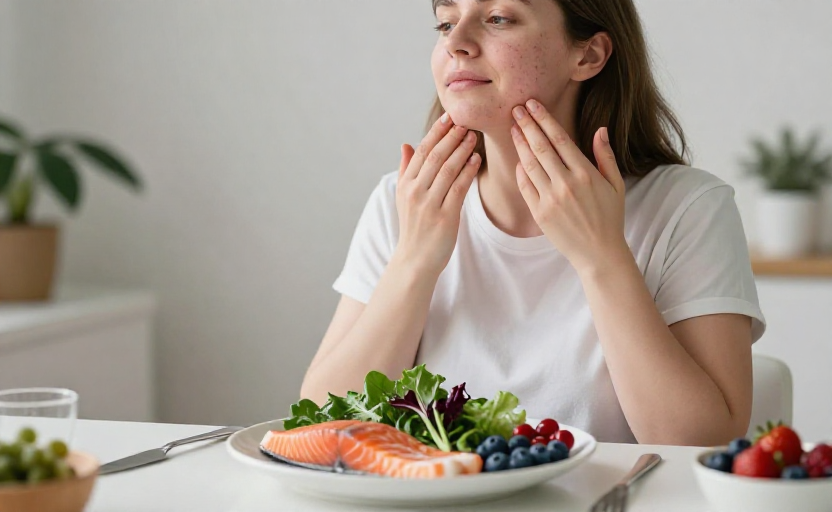
Acne can feel like a stubborn, unwelcome guest, especially for those navigating Polycystic Ovary Syndrome (PCOS). While breakouts are often dismissed as a teenage rite of passage, the persistent, cystic acne many women with PCOS experience is a different story. It's a visible signal of deeper hormonal shifts happening inside the body. This is precisely why endocrinologists approach PCOS-related acne not just as a skin issue, but as a metabolic and endocrine puzzle.
The good news is that the same dietary strategies that help balance hormones and improve insulin sensitivity can noticeably calm breakouts. Here’s what endocrinologists are paying attention to when it comes to diet and acne management in PCOS.
Why the usual anti-acne advice falls short for PCOS
Standard acne treatments often target bacteria, clogged pores, or inflammation on the skin's surface. But with PCOS, the root cause runs deeper. High levels of androgens — hormones like testosterone — are a hallmark of the condition. These androgens rev up sebum (oil) production, creating an ideal environment for acne.
Insulin resistance is the hidden accelerator. When your cells don't respond well to insulin, your body pumps out more of it. This excess insulin triggers the ovaries to produce more androgens. For an endocrinologist, the dietary question isn't just “what food causes a pimple?” but rather “what food spikes insulin and fuels the androgen cycle?”
The endocrine case for a low-glycemic approach
If there is one overarching principle that endocrinologists emphasize for PCOS acne, it’s maintaining stable blood sugar. When you eat a meal high in refined carbohydrates or sugar, your blood glucose rises rapidly. This spike demands a large insulin release — and that is the hormonal domino that aggravates acne.
Swapping high-glycemic foods for lower-glycemic alternatives is a practical first step. Think steel-cut oats instead of instant packets, whole fruit instead of juice, and legumes instead of white potatoes. This isn't about extreme restriction; it's about choosing foods that release glucose slowly, keeping insulin levels steadier and androgen production less stimulated.
A simple swap: Replace one refined-carb snack per day with a protein-fat combo (like an apple with almond butter) to see if your skin responds.
Anti-inflammatory fats and the acne connection
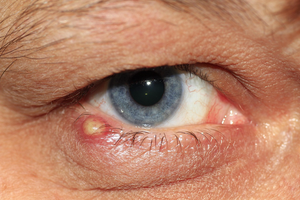
Inflammation makes acne worse. It's the reason a small blackhead can suddenly become a painful, red cyst. PCOS is considered a low-grade inflammatory state, so anything that dials down systemic inflammation can improve skin.
Endocrinologists often look at the balance of omega-3 and omega-6 fatty acids. Many Western diets are heavy on omega-6s (found in vegetable oils, fried foods, and processed snacks), which can promote inflammation. Boosting omega-3s — found in fatty fish like salmon, sardines, and mackerel, as well as flaxseeds and walnuts — helps calm the inflammatory response involved in acne lesions.
What about dairy?
This is one of the most debated topics. Dairy, particularly skim milk, has been linked to acne in some studies, possibly due to hormones naturally present in milk or its effect on insulin-like growth factor (IGF-1). Not everyone with PCOS needs to cut dairy. However, if your acne is severe and you consume a lot of milk or whey protein powder, an endocrinologist might suggest a two- to three-week elimination trial to see if your skin clears.
Protein and fiber: The unsung clearing agents
Two simple dietary moves — adding protein and fiber to every meal and snack — can have a powerful effect on insulin and androgens. Protein (think eggs, poultry, tofu, or collagen) slows down the digestion of carbohydrates, blunting the insulin spike. Fiber, especially soluble fiber from oats, beans, flax, and vegetables, helps mop up excess hormones and cholesterol, supporting a healthier endocrine environment.
Building a “PCOS-friendly plate” is straightforward: fill half your plate with non-starchy vegetables, a quarter with lean protein, and a quarter with a fiber-rich, complex carbohydrate. This structure naturally supports the hormonal balance that leads to clearer skin.
What about spearmint tea and other natural tools?
Some endocrinologists have noted the potential benefit of spearmint tea, as research suggests it may have a mild anti-androgen effect. Drinking two cups a day might help lower free testosterone levels, which can reduce cystic acne along the jawline and chin. This isn't a standalone cure, but it can be a supportive addition to a solid dietary foundation.
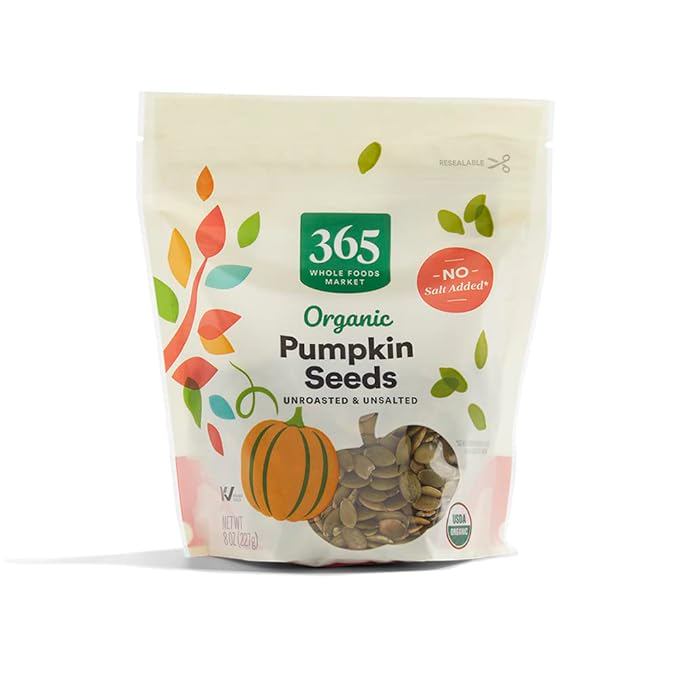
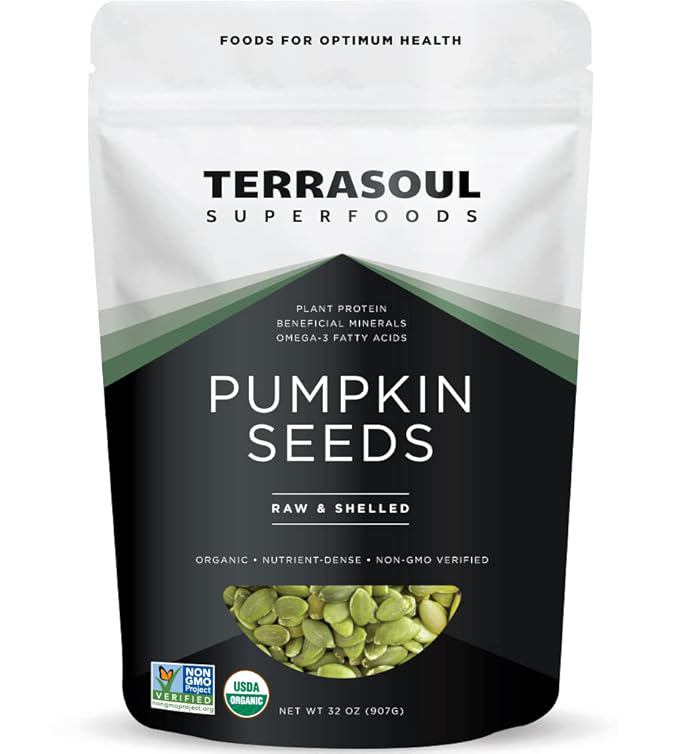
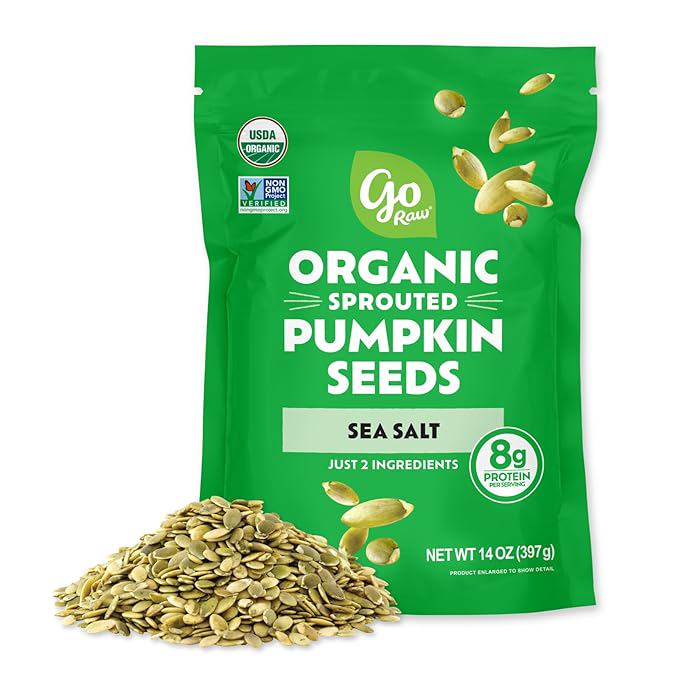
Similarly, zinc-rich foods (pumpkin seeds, chickpeas) can support skin healing and reduce inflammation, while a higher intake of antioxidants from colorful vegetables supports overall cellular health.
Summary of the endocrinologist’s approach
The shift here is from treating acne topically to addressing the metabolic drivers. Diet for PCOS acne isn't about a perfect, clean-eating plan. It’s about consistency in insulin management, reducing inflammatory triggers, and supporting the liver and gut pathways that process hormones. For many women, this approach yields improvements within four to eight weeks — not overnight, but with lasting positive changes for both skin and metabolic health.