Polycystic ovary syndrome (PCOS) is the most common endocrine condition among women of reproductive age, yet so much of the information around it focuses on what to avoid. The conversation often drifts toward restriction: cut out sugar, ditch dairy, skip carbs. But when I ask registered dietitians who specialize in PCOS what they actually recommend adding to a plate, the answers are surprisingly liberating.
The goal for ovarian health with PCOS isn't about perfection. It's about steady blood sugar, reduced inflammation, and hormonal balance—and that starts with foods that nourish rather than deprive. Here is exactly what dietitians say they prioritize for clients with PCOS, and how to build meals that support ovarian function instead of fighting against it.
Why whole-food protein matters for hormone signaling
Protein isn't just for muscle. Every hormone in your body—including the ones involved in ovulation and menstruation—is built from amino acids. When a client with PCOS struggles with irregular cycles or elevated androgens, dietitian Megan Kober, RD, often starts with one question: "Are you eating enough protein at breakfast?"
A 2022 study in the Journal of the Endocrine Society found that women with PCOS who consumed a higher-protein breakfast (30–40 grams) had better post-meal glucose and insulin responses compared to those who ate a carb-heavy morning meal. Insulin resistance is a core driver of PCOS for many, so stabilizing blood sugar first thing sets the tone for the entire day.
Dietitians recommend distributing protein evenly across meals, not just piling it on at dinner. Think eggs, Greek yogurt, tofu, fish, lentils, or chicken—aiming for at least 20–30 grams at each meal.
"I tell clients to think of protein as the anchor of the meal. It slows digestion and keeps blood sugar from spiking, which directly helps ovarian signaling."
— Megan Kober, RD
Anti-inflammatory fats that support ovulation
Chronic low-grade inflammation is a hallmark of PCOS, and it can interfere with the follicle development process in the ovaries. Omega-3 fatty acids—especially EPA and DHA found in fish—help reduce inflammatory markers like C-reactive protein.
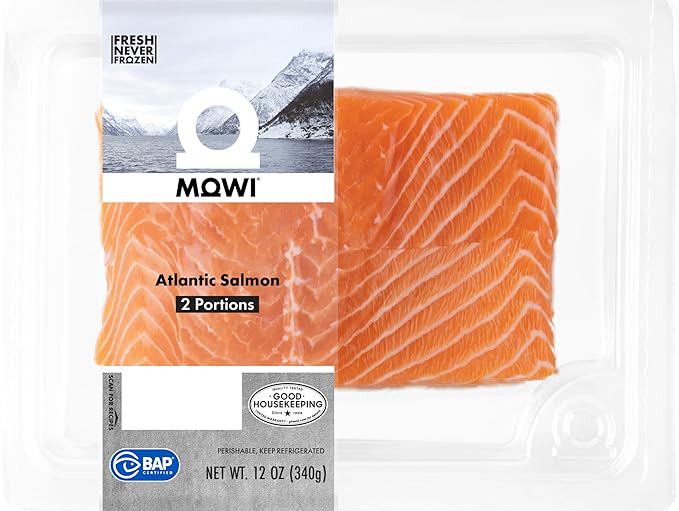
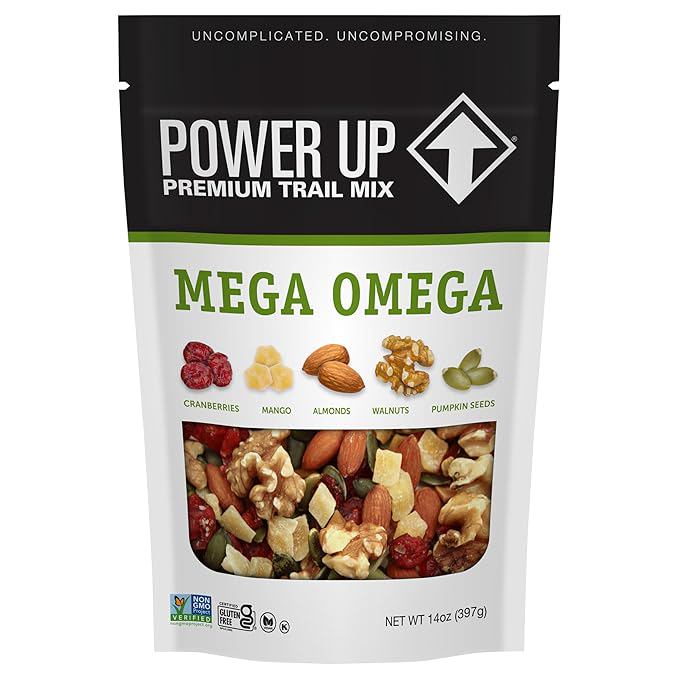
A 2023 meta-analysis of 12 randomized controlled trials showed that omega-3 supplementation (consistent with eating fatty fish twice a week) significantly lowered insulin resistance, triglycerides, and testosterone levels in women with PCOS. Dietitians suggest salmon, sardines, mackerel, and anchovies as the most reliable sources. For plant-based eaters, ground flaxseed and walnuts contain ALA omega-3s, though the conversion is less efficient.
Beyond omega-3s, monounsaturated fats from olive oil and avocados help with nutrient absorption and satiety without promoting inflammation. Dietitians also note that replacing some saturated fat (from processed meats or fried foods) with unsaturated sources can improve lipid profiles in PCOS without needing to eat a low-fat diet.
The slow-carb strategy: fiber-rich carbs that don't spike insulin
This is the part of PCOS nutrition that most people get wrong. The goal is not to eliminate carbohydrates, but to choose carbs that come packaged with fiber and protein. When you eat a bowl of steel-cut oats with berries and almonds rather than a bagel with cream cheese, the blood sugar rise is gentler. Over time, that lowers the insulin demand on the pancreas.
High-fiber carbs like lentils, chickpeas, quinoa, sweet potatoes (with skin), barley, and non-starchy vegetables are prioritized by dietitians for several reasons:
- Soluble fiber (found in oats and beans) binds to bile acids and helps excrete excess cholesterol, which matters since PCOS raises cardiovascular risk.
- Resistant starch (present in cooked-and-cooled potatoes or green bananas) feeds beneficial gut bacteria. A healthier gut microbiome is linked to better estrogen metabolism and lower inflammation.
- Fiber slows the absorption of sugar into the bloodstream, preventing the insulin spikes that can stimulate ovarian testosterone production.
Aim for 25–35 grams of fiber per day. If that sounds intimidating, start with one small change: add a handful of spinach to your eggs at breakfast, or swap white rice for a half-plate of roasted broccoli and farro.
Inositol, magnesium, and the nutrients dietitians watch most
Some nutrients are so critical for PCOS that dietitians check for them specifically. When we talk about food, these are the compounds that keep coming up in the research:
Inositol (from fruits, beans, and grains)
Inositol is a sugar alcohol that acts as a second messenger in insulin signaling. Studies consistently show that myo-inositol and D-chiro-inositol (the two main forms) can improve ovulation rates and lower triglycerides in PCOS. While many people take inositol as a supplement, food sources include cantaloupe, citrus fruits, beans, buckwheat, and whole grains. "If a client eats a diet rich in legumes and whole grains, they're getting a baseline amount that supports the supplement," notes Kober.
Magnesium (from dark leafy greens, nuts, seeds, and dark chocolate)
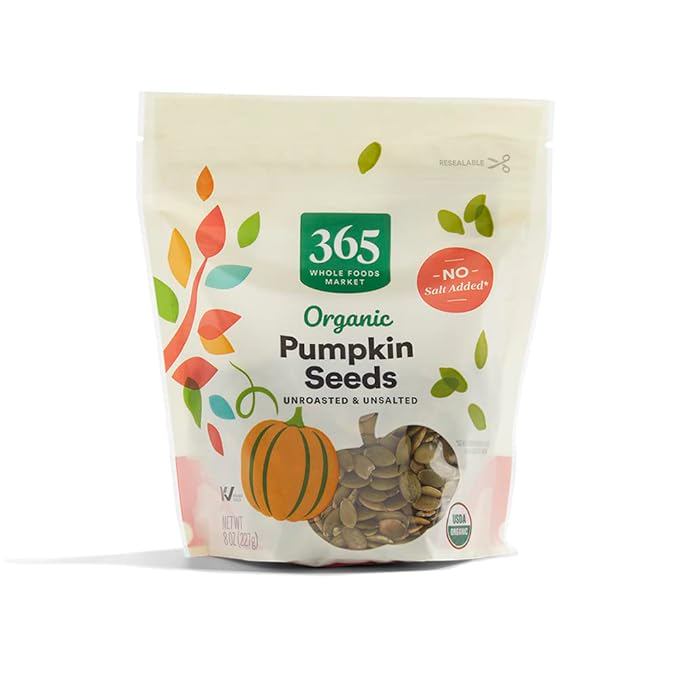
Magnesium deficiency is more common in women with PCOS, and low levels are linked to worse insulin resistance and higher androgen levels. Dietitians recommend spinach, pumpkin seeds, almonds, cashews, black beans, and 70%+ dark chocolate (yes, chocolate). One ounce of almonds provides about 20% of daily magnesium needs. Roasted pumpkin seeds on a salad is an easy way to bump intake.
Zinc (from oysters, beef, pumpkin seeds, and chickpeas)
Zinc plays a role in hair growth, immune function, and insulin signaling. Some research has found that women with PCOS may have lower zinc levels and that supplementation can reduce hirsutism (excess hair growth). Food sources are generally well-tolerated and don't risk the nausea that zinc supplements can cause. Oysters are the top source (just 3 ounces covers daily needs), but chickpeas and pumpkin seeds work well for plant-based eaters.
Putting it together: a day of PCOS-friendly eating
Dietitians emphasize that no single food is a cure, but the overall pattern matters. Here's what a sample day might look like if you're following the principles above:
- Breakfast: Two-egg scramble with spinach and mushrooms, cooked in olive oil, with a quarter of an avocado and a side of berries.
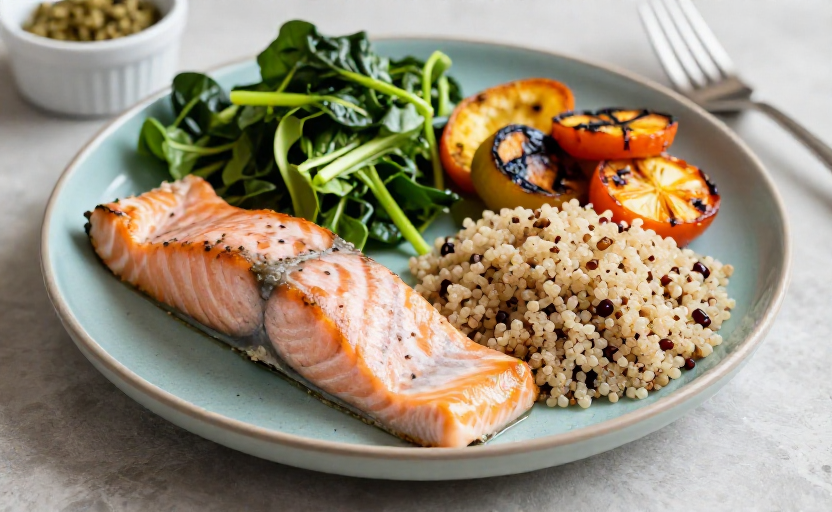
- Lunch: Large salad with mixed greens, grilled salmon (or chickpeas for vegetarian), cherry tomatoes, cucumber, pumpkin seeds, and a lemon-tahini dressing.
- Snack: A small apple with 1 tablespoon of almond butter, or a handful of almonds and a square of dark chocolate.
- Dinner: Lentil curry made with coconut milk, turmeric, ginger, and spinach, served over a small portion of quinoa.
Notice what's missing from that template: no white bread, sugary drinks, or processed snacks. But the focus is on what's present—whole foods that deliver protein, fiber, and micronutrients in every meal.
A note on supplements and individualized needs
While food comes first, dietitians acknowledge that some women with PCOS benefit from targeted supplements like inositol, vitamin D, or a high-quality fish oil. However, the advice is always to start with food and then work with a healthcare provider to test for specific deficiencies. There's no one-size-fits-all supplement regimen, and too much of certain nutrients (like iron or vitamin A) can be harmful.
The bottom line from the dietitians I spoke with: instead of asking "What can't I eat with PCOS?" start asking "What can I add today that will support my ovarian health?" Small, consistent additions—more protein at breakfast, a palmful of nuts, a side of leafy greens—build a foundation that works with your hormones, not against them.