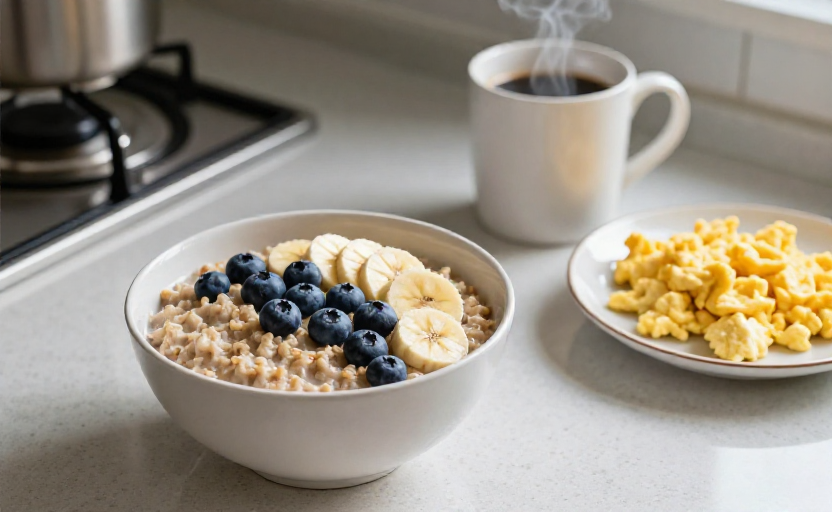
Breakfast gets a lot of hype, but not all morning meals are created equal—especially if you plan to move your body within a few hours of waking up. Dietitians who themselves exercise in the morning have fine-tuned their first meal to hit a specific sweet spot: enough fuel to power through a workout, but not so much that it sits heavy or causes a mid-session slump.
Here is what they actually eat, why those choices work, and how you can adapt the principles to your own routine—no complicated recipes required.
Why Your Pre-Workout Breakfast Matters More Than You Think
Eating before exercise is not about stuffing yourself. It is about giving your muscles and brain usable energy when they need it. For early risers, the body has been fasting overnight; glycogen stores in the liver and muscles are lower than they were the day before. Without some fuel, you may feel sluggish, lightheaded, or unable to push as hard as you could.
Registered dietitians look for foods that are easy to digest and provide a mix of carbohydrates for quick energy plus a modest amount of protein to support muscle preservation. Fat and fiber are not avoided entirely, but they are kept lower in the pre-workout window to prevent gastrointestinal discomfort when blood flow shifts toward working muscles.
The Core Pattern: Carb-Forward, Protein-Supported
Ask a dozen dietitians what they eat before a run, a spin class, or a strength session, and you will hear variations on the same theme. A typical pre-workout breakfast among these professionals includes a serving of whole-food carbohydrates—think oats, whole-grain toast, or fruit—paired with a moderate protein source such as Greek yogurt, eggs, or cottage cheese. A few include a small amount of healthy fat, like a smear of almond butter, but they keep it measured.
This pattern works because carbohydrates digest relatively quickly and raise blood glucose in about 30 to 60 minutes, giving you accessible fuel. Protein takes a little longer to break down, but it begins to be available during the latter part of a workout and helps with recovery afterward.
“I aim for about 30 to 45 grams of carbohydrate and 10 to 15 grams of protein about an hour before I exercise,” says one sports dietitian. “That ratio gives me steady energy without feeling full or bloated.”
Specific Breakfasts Dietitians Reach For
A Bowl of Oatmeal With Berries and a Dollop of Yogurt
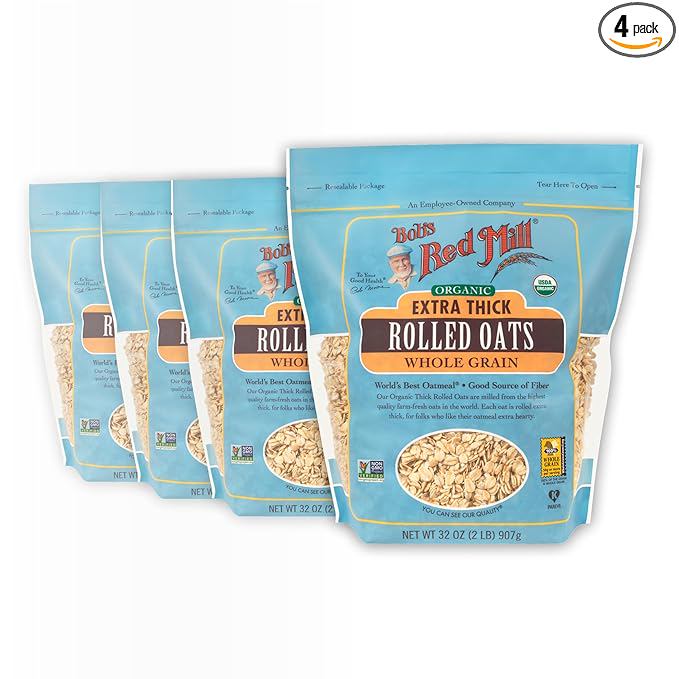
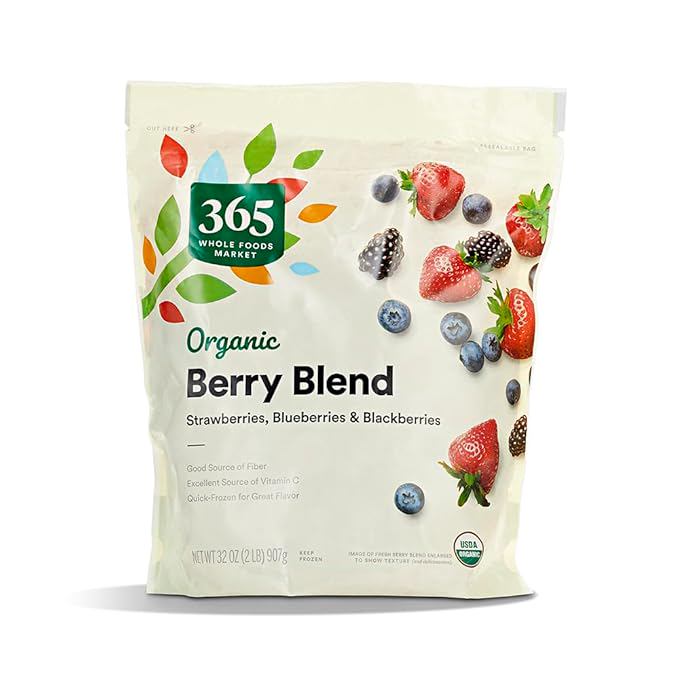
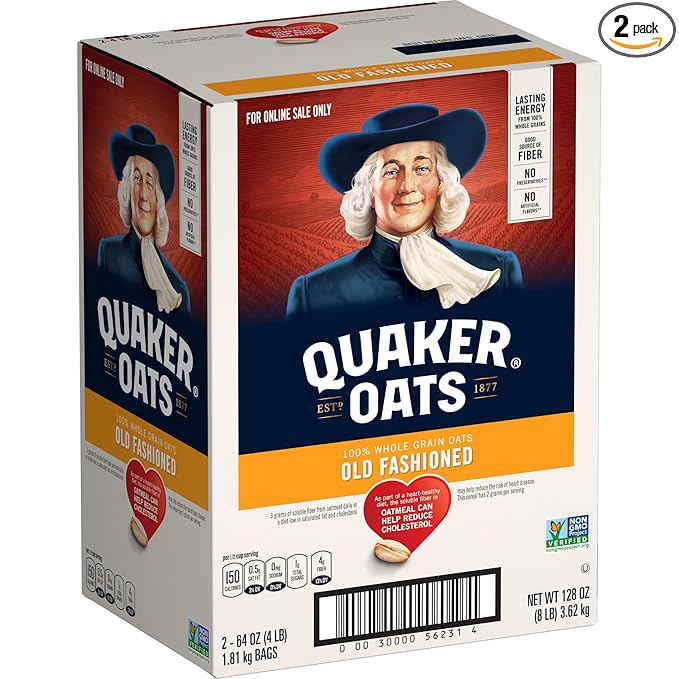
Oatmeal is a staple for good reason. Rolled or steel-cut oats provide a slow-release carbohydrate that doesn't spike blood sugar. Adding a handful of frozen blueberries or sliced banana increases the carb count and delivers antioxidants. A spoonful of Greek yogurt stirred in after cooking adds protein without making the bowl heavy.
Two Eggs Scrambled With a Slice of Whole-Grain Toast
Classic, quick, and effective. The eggs supply high-quality protein and some fat, while the toast provides the carbohydrate base. Some dietitians add a piece of fruit on the side or a thin layer of avocado if they need a little more staying power. The key is portion control: two eggs and one slice of toast is enough for most women; men or larger individuals may add a second slice or an extra egg white.
A Smoothie Built for Performance
Smoothies are popular among dietitians who exercise very early and need something they can drink in the car or at their desk before a 6 a.m. class. The formula is simple: one cup of unsweetened milk or plant-based milk, half a cup of frozen fruit, a scoop of protein powder or a quarter-cup of plain Greek yogurt, and a handful of spinach. The liquid form digests quickly, and the ingredients provide a balanced ratio of carbs to protein.
Cottage Cheese With Fruit and a Sprinkle of Granola
Cottage cheese is a quiet workhorse in the dietitian world. It is high in casein protein, which digests slowly—but in the small amounts used here (half a cup), it still works well before exercise. Paired with chopped pineapple, peaches, or berries and a tablespoon of low-sugar granola, it becomes a no-cook breakfast that delivers both immediate and sustained energy.
Timing Your Breakfast to Your Workout
The ideal gap between breakfast and exercise depends on portion size and your own digestive comfort. A general rule dietitians follow: eat a full meal two to three hours before exercise, or a smaller snack 30 to 60 minutes before.
If you are eating a bowl of oatmeal or eggs on toast, aim for at least 90 minutes before you start moving. If you choose a small smoothie or a piece of fruit with a dollop of nut butter, you can eat closer to your workout—around 30 to 45 minutes ahead—without trouble.
Trial and error matters here. What works for one person may cause discomfort for another. Dietitians recommend testing your pre-workout breakfast on a rest day or before a lighter activity before trying it before a high-intensity session.
What About Breakfast After Exercise?
Many people eat a smaller pre-workout meal and then have a more substantial breakfast afterward. Dietitians often plan it that way on purpose. A post-workout breakfast shifts the focus to protein for repair and carbohydrate for replenishing glycogen stores. If your pre-workout breakfast was very small, you may want to eat again within two hours of finishing. If it was larger, a balanced lunch may be sufficient.
The important thing is not to skip either window entirely. Even a light pre-workout bite followed by a full breakfast later will support energy levels, muscle recovery, and metabolic function better than exercising on empty and then waiting hours to eat.
The takeaway from the dietitians who live this daily: your pre-workout breakfast does not need to be elaborate, expensive, or trendy. It needs to be timed well, composed mainly of digestible carbohydrates and modest protein, and tailored to your own tolerance. When you nail that combination, your morning routine—whether it is a run, a yoga flow, or a strength circuit—will feel noticeably easier.