
Back acne, often called bacne, can be stubborn and frustrating. Unlike facial acne, the skin on your back is thicker and has larger pores, which means it can handle certain treatments that might be too harsh for your face. But the wrong approach—over-scrubbing, harsh drying agents, or picking—can easily backfire, leaving you with raw, irritated skin and more breakouts than when you started.
The goal is to clear existing blemishes and prevent new ones without stripping your skin's natural barrier. Dermatologists have a clear playbook for this, and it centers on gentle exfoliation, targeted ingredients, and smart daily habits. Here is what the experts recommend for treating back acne without causing irritation.
Why back acne is different from facial acne
Your back has more sebaceous glands per square inch than your face, and it is often subjected to friction from clothing, backpacks, and sports equipment. Sweat gets trapped against the skin, creating an ideal environment for Cutibacterium acnes bacteria to thrive. At the same time, the skin on your back is less sensitive than facial skin, so you have a wider tolerance for active ingredients—but it is also harder to reach, which means consistent application matters more.
Gentle exfoliation is the first step
Dermatologists consistently recommend salicylic acid as the backbone of any back acne routine. This beta hydroxy acid (BHA) is oil-soluble, meaning it can penetrate deep into pores to dissolve the debris and excess sebum that cause blackheads and whiteheads. Look for a body wash or spray containing 1% to 2% salicylic acid. Use it daily in the shower, but let it sit on your skin for 1 to 2 minutes before rinsing—this contact time is critical for efficacy.
A gentle rule: If your skin feels tight, dry, or stinging after using a salicylic acid product, you are leaving it on too long or using it too often. Dial back to every other day until your skin adjusts.
For those with very sensitive skin, a 1% concentration is a safer starting point. You can also try a gentle physical exfoliant—like a soft silicone scrubber—to help lift dead cells without the abrasion of loofahs or harsh brushes, which can spread bacteria and cause micro-tears.
Benzoyl peroxide: use it strategically
Benzoyl peroxide is highly effective at killing acne-causing bacteria, but it is also notorious for bleaching towels, sheets, and clothing. For back acne, dermatologists often recommend a leave-on benzoyl peroxide wash in the shower (2.5% to 5% strength) rather than a higher-concentration cream, which can be overly drying on the larger surface area of the back.
Use it in the morning—wash, rinse thoroughly, and moisturize afterward. Because benzoyl peroxide can be irritating when combined with other active ingredients, it is best to alternate it with your salicylic acid wash (for example, benzoyl peroxide in the morning and salicylic acid at night) rather than stacking them on top of each other.
The unsung hero: moisturize your back
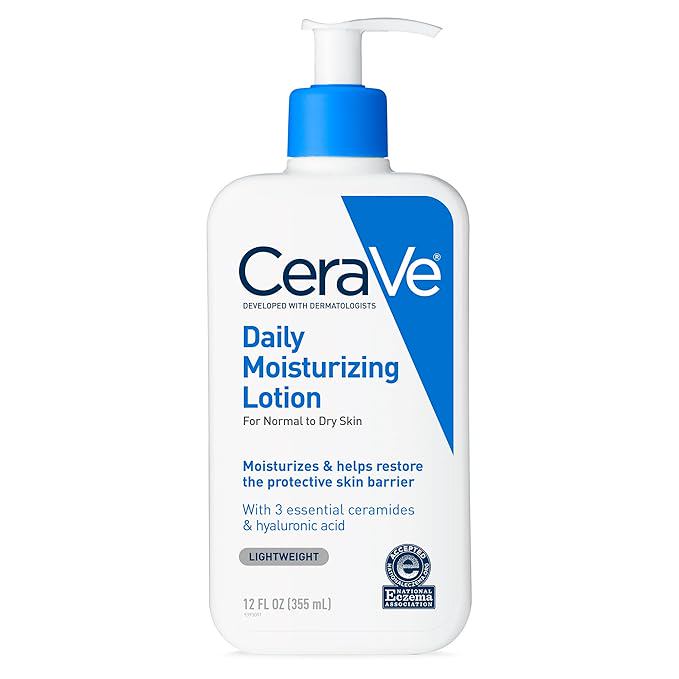
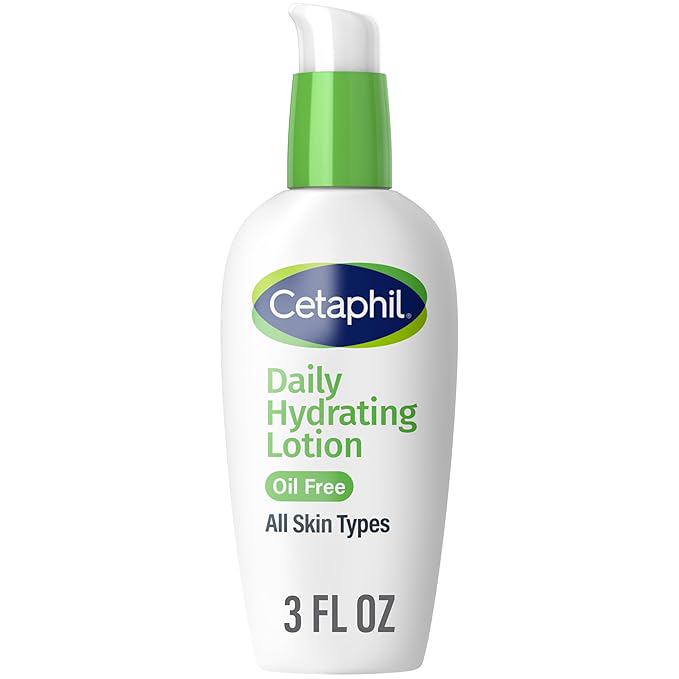
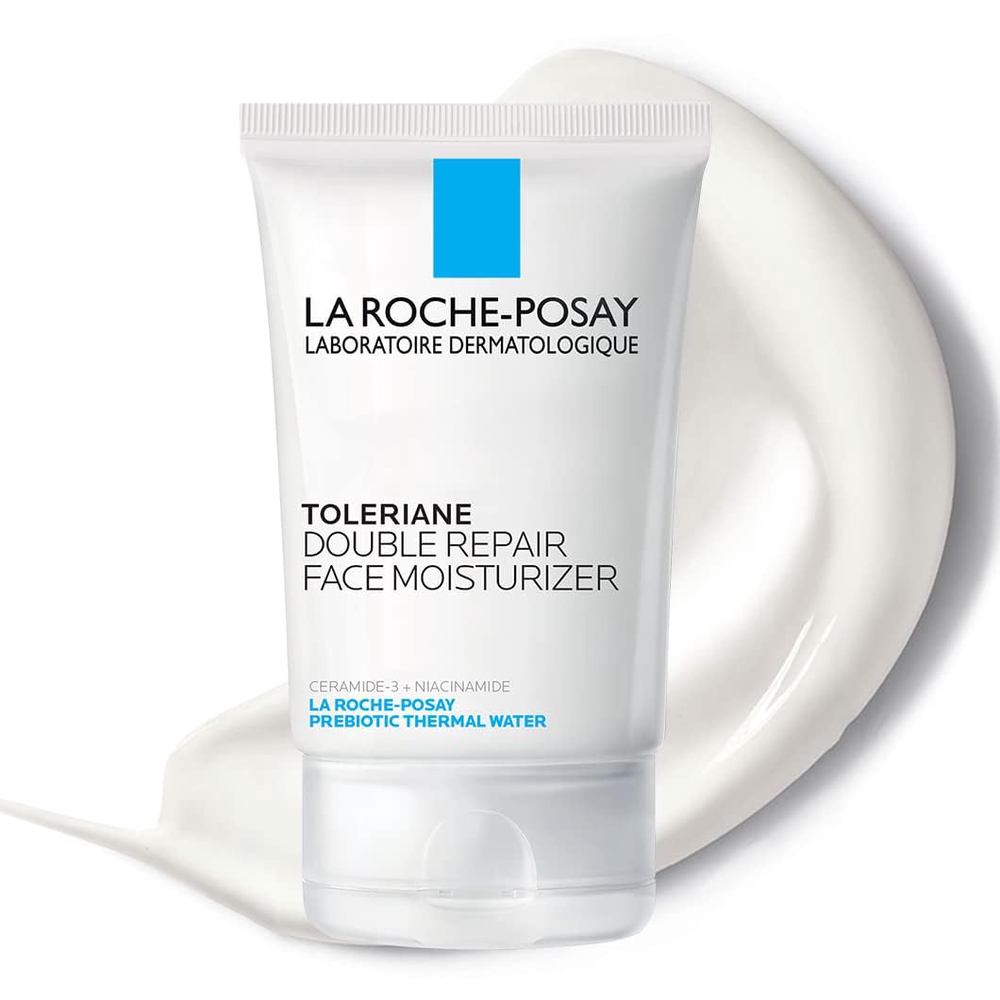
It may seem counterintuitive to add moisture to an oily, breakout-prone area, but skipping moisturizer is one of the fastest routes to irritation and rebound oil production. When you dry out back acne with treatments, the skin barrier weakens, leading to redness, flaking, and more inflammation.
Choose a lightweight, oil-free, non-comedogenic moisturizer. Look for ingredients like ceramides, niacinamide, or hyaluronic acid, which support barrier repair without clogging pores. Apply it after every shower, while your skin is still slightly damp, to lock in hydration.
Lifestyle shifts that reduce irritation
Your daily habits can either help or hurt your progress. Here are the top adjustments dermatologists recommend:
- Shower immediately after sweating. Don't let sweat dry on your back. A quick rinse (even without soap) removes the bacteria-friendly residue.
- Wear loose, breathable fabrics. Cotton or moisture-wicking materials reduce friction and allow the skin to breathe. Tight synthetic tops trap heat and sweat.
- Change your sheets and towels weekly. Bacteria, dead skin cells, and product residue accumulate on fabrics that touch your back every night.
- Avoid heavy backpacks or tight straps. Pressure and friction can trigger a type of acne called acne mechanica.
- Keep your hands off. Picking or popping back acne increases the risk of scarring and spreads bacteria to surrounding pores.
When to consider professional treatments
If over-the-counter products and lifestyle changes don't deliver noticeable improvement in 6 to 8 weeks, or if you are developing deep, painful cysts, it is time to see a board-certified dermatologist. In-office treatments such as light chemical peels (with salicylic or glycolic acid), extraction by a professional, or prescription topical medications (like a combination of clindamycin and benzoyl peroxide) can target stubborn back acne more effectively without causing widespread irritation.
Oral medications are another option for severe cases, but they require careful monitoring and are not a first-line recommendation for mild or moderate bacne.
Consistency over intensity
The most effective back acne plan is one you can stick with. Using aggressive treatments three times a week won't give you the results that a gentle, consistent daily routine will. Remember: if a product burns, stings, or leaves your skin feeling tight, it is too strong. Scale back the frequency or switch to a lower concentration. Healing your skin barrier is just as important as clearing the pimples.
Treating back acne is a marathon, not a sprint. By choosing gentle, proven ingredients, moisturizing faithfully, and adjusting your daily habits, you can achieve clearer skin without the pain and redness of an irritated barrier. If progress stalls, a dermatologist can tailor a plan that works for your skin type and severity—without compromising comfort.