
High blood pressure often whispers before it shouts. For many, the first sign isn't a symptom at all, but a number on a cuff during a routine check-up. This quiet nature is precisely what makes it so important to understand. While the diagnosis can feel daunting, the path forward is often built on clear, consistent, and manageable steps. It’s less about a single dramatic change and more about the cumulative power of daily choices.
Cardiologists see the full spectrum of this condition—from early detection to long-term management. Their perspective isn't just about prescribing medication; it's about empowering a sustainable lifestyle that supports your heart for years to come. Let’s explore the foundational principles they emphasize, moving beyond scare tactics to practical, evidence-based understanding.
Understanding the “why” behind the numbers
Blood pressure isn't a static number like your height. It’s a dynamic force, the measure of blood pushing against your artery walls with each heartbeat. The top number (systolic) records the pressure during a beat. The bottom number (diastolic) is the pressure between beats when your heart rests. Think of it as the ongoing rhythm of your circulatory system.
When that pressure stays too high over time, it strains the entire system. It’s like constantly running water through a garden hose at full blast—eventually, the hose weakens. Similarly, sustained high pressure can stiffen and narrow arteries, making your heart work harder. This silent process can, over years, affect your heart, brain, kidneys, and eyes.
The goal isn't perfection every minute, but a lower, healthier average over time.
Lifestyle is your first-line therapy
Medication is a crucial tool, but it's rarely the only one. Cardiologists consistently point to lifestyle modification as the cornerstone of management. These aren't just “good tips”; they are therapeutic actions with a measurable impact on your cardiovascular health.
Dietary shifts carry significant weight. The well-researched DASH (Dietary Approaches to Stop Hypertension) eating plan is frequently recommended not as a temporary diet, but as a sustainable way of eating. It emphasizes vegetables, fruits, whole grains, and lean proteins while reducing sodium, added sugars, and saturated fats. The focus isn't on deprivation, but on abundance—filling your plate with nutrient-rich foods that naturally support healthy blood pressure.
Sodium reduction is particularly key, but it’s more than just putting down the salt shaker. Processed, packaged, and restaurant foods are the primary sources for most people. Reading labels and cooking more meals at home gives you direct control. Potassium-rich foods like bananas, sweet potatoes, spinach, and beans can help balance sodium's effects.
The role of consistent movement
Regular physical activity acts as a natural pressure regulator. It helps your blood vessels become more flexible and efficient. You don’t need to train for a marathon. The consistent rhythm of moderate activity—like brisk walking for 30 minutes most days—is profoundly effective. The key is finding something you can stick with and enjoy, making it a non-negotiable part of your routine, like brushing your teeth.
Navigating medication with clarity
If lifestyle changes alone aren't enough to reach your target, medication becomes a vital partner. This isn't a sign of failure. High blood pressure involves complex mechanisms in the kidneys, blood vessels, and nervous system, and sometimes the body needs additional support to regulate them.
There are several classes of blood pressure medications, such as ACE inhibitors, ARBs, diuretics, or calcium channel blockers. Your cardiologist or doctor chooses based on your specific numbers, overall health, and any other conditions. It may take some time to find the right medication or combination that works for you with minimal side effects.
Taking medication as prescribed is non-negotiable. Because high blood pressure is usually symptomless, it’s easy to feel fine and skip a dose. But consistency is what keeps your arteries protected day in and day out. Always communicate openly with your doctor about any side effects or concerns—never adjust or stop medication on your own.
Beyond diet and pills: The whole picture
Management extends to other daily habits. Chronic stress, for instance, can trigger temporary spikes and contribute to long-term elevation. While you can’t eliminate stress, you can build resilience against it. Techniques like deep breathing, meditation, or simply prioritizing adequate sleep help modulate your nervous system’s response.
Alcohol and tobacco have direct effects. Smoking damages blood vessel linings, while heavy alcohol use can raise blood pressure. Addressing these factors is a powerful part of the equation.
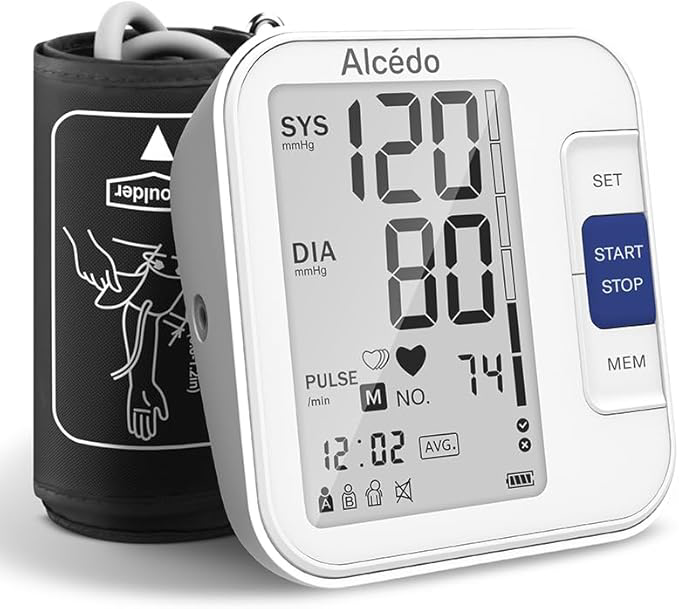
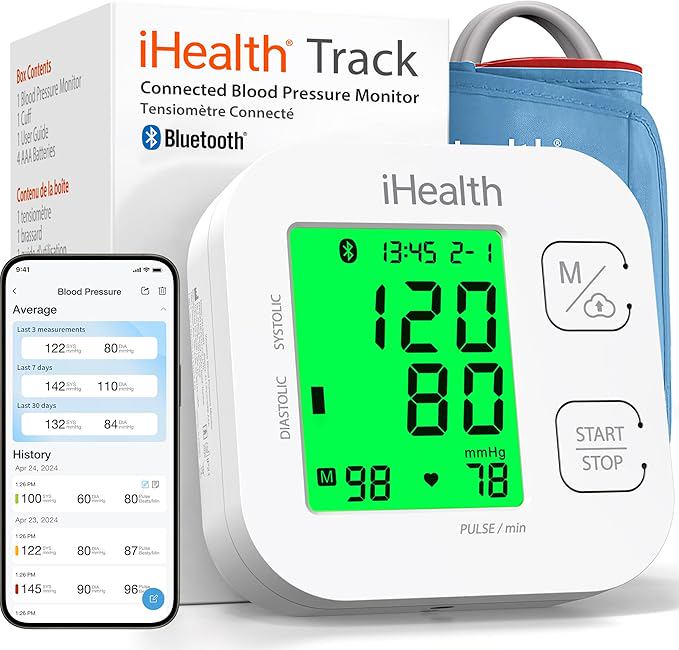
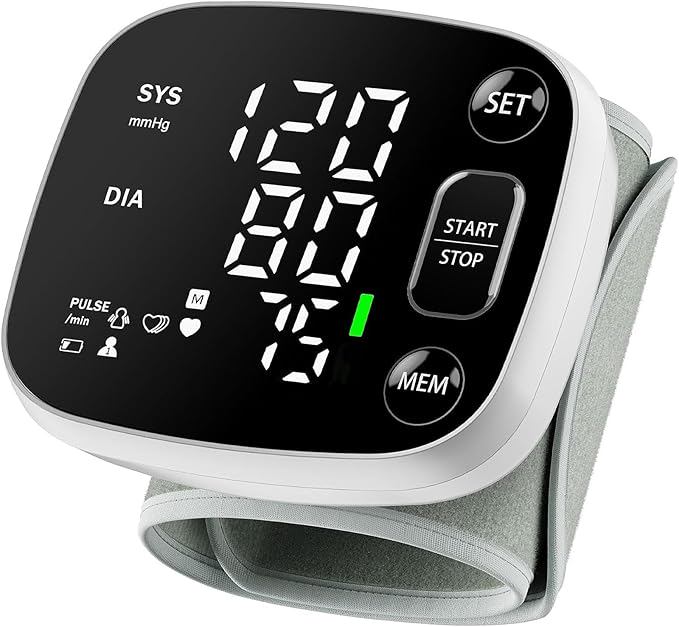
Finally, monitoring is your feedback loop. Home blood pressure monitors allow you to track your progress in your own environment, providing valuable data for you and your doctor. Take readings at consistent times, like before breakfast and before bed, and keep a log. This information is far more useful than a single reading in a clinic, which can be elevated due to “white coat syndrome.”
Building a partnership with your care team
Managing high blood pressure is a marathon, not a sprint. Your cardiologist or primary care doctor is your coach. Come to appointments prepared with your home logs and questions. Understand your personal target numbers and the reasons behind them. This collaborative approach turns a clinical condition into a manageable part of your life story, one where you hold the pen for many of the daily chapters.