
Dizziness can be unsettling. Whether it feels like the room is spinning, a wave of lightheadedness, or a wobbliness that makes you grab the wall, it naturally raises concern—especially when you think about your heart and circulation. Many people wonder whether their blood pressure is the culprit. If you've ever felt dizzy and reached for a home blood pressure monitor, you are asking the right question. But the answer is rarely as simple as “high” or “low.” Cardiologists pay close attention to dizziness because it can be a signal from the cardiovascular system, but interpreting that signal correctly requires context, timing, and a methodical approach.
Why Dizziness Ties Directly to Blood Pressure
Blood pressure is the force of blood against your artery walls. Your brain is exquisitely sensitive to changes in this pressure. When pressure drops suddenly—even for a few seconds—your brain may not get enough blood, and you feel lightheaded or faint. This is called orthostatic hypotension, and it is one of the most common reasons cardiologists see patients who complain of dizziness. It happens when you stand up too quickly, especially after sitting or lying down for a while.
On the flip side, very high blood pressure is usually silent. It does not typically cause dizziness unless it is dangerously elevated (a hypertensive crisis) or has been damaging blood vessels in the brain over time. Most people with hypertension feel perfectly fine, which is why it is called a silent killer. So when a patient says, “I felt dizzy, so I checked my pressure and it was high,” the cardiologist’s job is to figure out whether the dizziness came first and raised the pressure due to anxiety or pain, or whether the high pressure itself caused the dizziness—which is less common.
Another key point: the medications used to treat high blood pressure can themselves cause dizziness if they lower pressure too much or too quickly. This is especially true when starting a new drug or increasing a dose. So a dizzy spell after a medication change deserves a call to your doctor, not a guess.
When to Check Your Blood Pressure During Dizziness
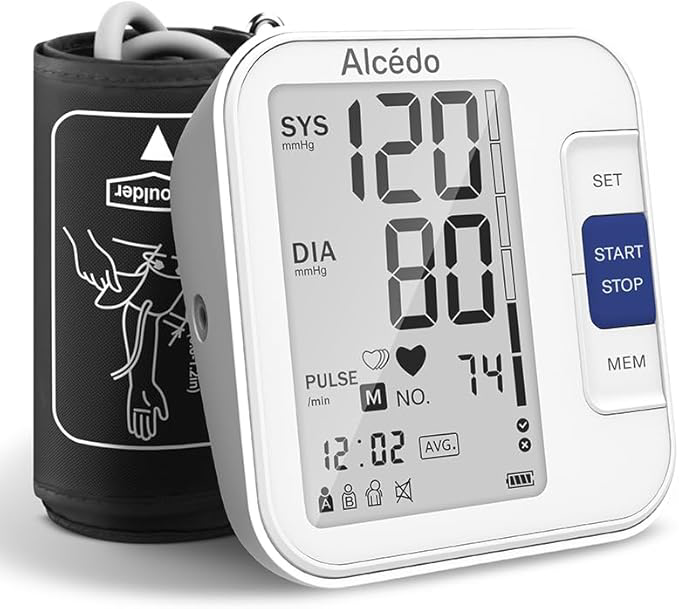
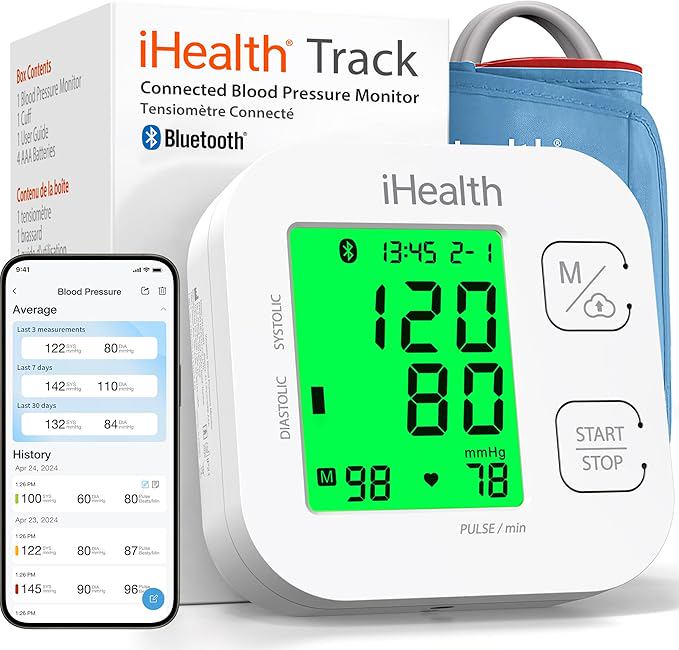
One of the most practical things you can do is learn how to check your blood pressure when you feel dizzy—and when not to. Cardiologists advise against checking it immediately after standing up if you are already dizzy; instead, rest for five minutes in a seated position, feet flat on the floor, arm supported at heart level. Take a reading. Then stand up and take another reading within one to three minutes. A drop of 20 points or more in the systolic (top) number upon standing suggests orthostatic hypotension.
A simple rule of thumb from cardiology: If your dizziness happens only when you stand up and fades quickly once you are upright, it is likely a blood-pressure regulation issue. If dizziness lasts for minutes or comes at rest, other causes should be explored.
Keep a log: record the date, time, what you were doing just before the dizziness, your blood pressure reading, and how you felt afterward. This is far more helpful to a cardiologist than a single random high number taken during a moment of panic.
Other Cardiovascular Causes of Dizziness
Blood pressure is not the only heart-related cause of dizziness. Cardiologists also consider:
- Heart rhythm problems (arrhythmias): A heart that beats too fast, too slow, or irregularly can fail to pump enough blood to the brain, causing lightheadedness or fainting.
- Heart valve disease: A narrow or leaky valve can restrict blood flow, especially during exertion.
- Anemia or dehydration: Both reduce the volume of oxygen-carrying blood reaching the brain.
Sometimes the cause is not the heart at all. Inner ear disorders (like benign paroxysmal positional vertigo), migraine-related vertigo, anxiety, and even simple dehydration are frequent mimics. That is why a thorough history is essential: a cardiologist will ask about triggers, duration, associated symptoms (palpitations, chest discomfort, shortness of breath), and medication list before ordering tests.
Practical Steps to Keep Your Balance
While your physician is the final authority, these habits are widely recommended by cardiologists to minimize dizzy spells related to blood pressure:
- Stay hydrated, especially in warm weather or after exercise.
- Avoid sudden standing; rise slowly from bed or a chair.
- Limit alcohol and caffeine if they seem to trigger symptoms.
- Check your blood pressure regularly but not obsessively—once daily at the same time is plenty.
- If you take blood pressure medication, do not skip or adjust doses without talking to your doctor.
When Dizziness Warrants Immediate Medical Attention
Most dizziness is not an emergency, but some situations require urgent care. Seek help if dizziness accompanies:
- Chest pain, pressure, or tightness
- Severe headache or vision changes
- Slurred speech, facial drooping, or weakness on one side of the body
- Fainting (loss of consciousness) that does not resolve quickly
- A heart rate that feels very slow (under 40) or very rapid (over 140) and does not return to normal
These could signal a stroke, heart attack, or dangerous arrhythmia.
Dizziness can be a subtle messenger from your cardiovascular system. By learning how to check your blood pressure correctly and keeping a simple symptom diary, you give your cardiologist the clearest picture possible. And sometimes, the most reassuring news you can hear is that your heart is fine—and your dizziness is something far less worrying, like a little dehydration or an inner ear hiccup. Either way, a systematic approach beats guessing every time.