When you hear the term "arterial plaque," it might sound like a sudden, dramatic blockage waiting to happen. The reality is more nuanced. Plaque buildup is a slow, often silent process that unfolds over decades. Understanding what it is, how it develops, and what it means for your long-term health is one of the most empowering steps you can take for your heart.
Let's cut through the clinical jargon and look at this from a practical standpoint. Your arteries are designed to be smooth, flexible tubes that carry oxygen-rich blood from your heart to the rest of your body. The trouble begins when the inner lining of these vessels gets damaged. Think of it like a scratch on the inside of a pipe.
What exactly is arterial plaque?
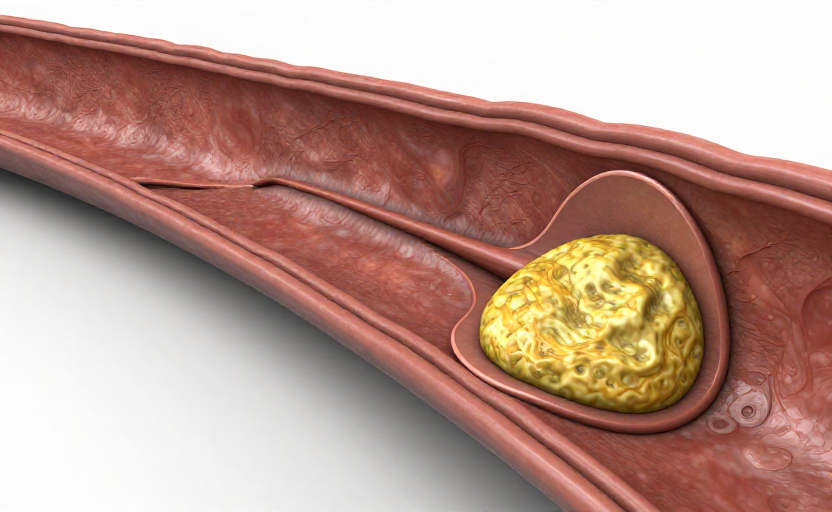
Plaque is not one single substance. It's a complex mix of fats, cholesterol (specifically low-density lipoprotein, or LDL), calcium, and other cellular waste products. When your artery lining is irritated—often by high blood pressure, smoking, or high blood sugar—your body sends inflammatory cells to repair the site. LDL cholesterol gets trapped in this area, and over time, it oxidizes and triggers more inflammation. The body tries to wall it off, forming a fibrous cap. That entire mound—the cholesterol core and the fibrous cap—is the plaque.
It's not a static lump. Plaque can grow, shrink slightly, and change in stability. The most dangerous plaques aren't necessarily the biggest ones. The most dangerous are the "vulnerable" plaques: those with thin fibrous caps and a soft, fatty core that can rupture.
Why long-term buildup matters more than you think
Many people fixate on the idea of a 90% blockage. But heart attacks often happen from plaques that block less than 50% of the artery. How? When a vulnerable plaque ruptures, your body interprets the exposed material as an injury. It immediately forms a blood clot on top of the rupture. That clot can block the entire artery in minutes, cutting off blood flow to a section of the heart muscle.
This is why long-term heart health isn't just about avoiding total blockages. It's about managing the environment inside your arteries to keep plaques stable and reduce the underlying inflammation that drives the whole process.
Think of plaque management as tending a garden: you can't rip out every weed at once, but you can improve the soil so fewer weeds take root.
What drives plaque progression?
Several key factors accelerate the build-up of plaque in your arteries. Understanding them gives you targets for action.
- Low-density lipoprotein (LDL) cholesterol: This is the primary cargo of plaque. High levels of LDL in your blood provide more raw material for plaque formation.
- Chronic inflammation: Conditions like obesity, autoimmune disorders, and even persistent gum disease keep your immune system on alert, which worsens arterial damage.
- Hypertension: High blood pressure creates mechanical stress on artery walls, making them more prone to injury and plaque deposition.
- Smoking and advanced glycation end-products (AGEs): Toxins from tobacco and high blood sugar from diabetes directly damage the endothelial lining, the artery's protective inner layer.
A practical look at detection
How do you know if you have plaque? It often doesn't cause symptoms until it's significant. However, your doctor may look for signs using several tools.
- Coronary artery calcium (CAC) scan: A non-invasive CT scan that measures the amount of calcified plaque. A score of zero is very low risk. Higher scores indicate more plaque burden.
- Carotid intima-media thickness (IMT) test: An ultrasound that measures the thickness of the inner two layers of your carotid arteries. Thickening suggests early atherosclerosis.
- Stress tests: These exercise-based tests can reveal if plaque is restricting blood flow enough to cause temporary oxygen shortage in your heart muscle.
These tests are most useful when you have intermediate risk factors. They can help clarify whether you need more aggressive lifestyle or medication strategies.
Can you reverse plaque?
This is the million-dollar question. Complete reversal is rare, but significant regression is possible in some people. The key is aggressive LDL reduction. If you can lower your LDL cholesterol levels dramatically—often with high-intensity statins or other lipid-lowering agents—your body may begin to "vacuum" cholesterol out of plaque. This can shrink plaque volume and stabilize the remaining plaque by making the fibrous cap thicker.
More importantly, lifestyle changes can stop new plaque from forming and make existing plaque less dangerous. The goal shifts from "clearing the arteries" to making them biologically calm and stable.
Your three-pillar approach to plaque management
Effective long-term management doesn't rely on one single change. It requires a consistent approach across three areas.
1. Lipid control
Work with your healthcare provider to understand your lipid panel. Don't just look at total cholesterol. Focus on your LDL, triglycerides, and non-HDL cholesterol. A diet lower in saturated fats (found in red meat, butter, and tropical oils) and higher in soluble fiber (oats, beans, apples) can help. For many people, medication is necessary and life-saving.
2. Metabolic health
Insulin resistance and high blood sugar damage arteries. Regular physical activity improves how your cells use glucose. Aim for at least 150 minutes of moderate-intensity aerobic exercise per week, like brisk walking or cycling. Combine that with muscle-strengthening activities twice a week. Better glucose control means less inflammatory stress on your artery walls.
3. Inflammation reduction
Adopt an anti-inflammatory dietary pattern. The Mediterranean diet is well-studied here: plenty of vegetables, fruits, whole grains, fatty fish (for omega-3s), nuts, and olive oil. Reduce processed foods, added sugars, and trans fats. Manage stress through sleep, mindfulness, or other practices. Chronic stress hormones like cortisol can worsen inflammation and blood pressure.
Think of it this way: every meal, every walk, every good night's sleep is a small vote for quieter, healthier arteries.
Arterial plaque is a real concern, but it doesn't have to dictate your future. By understanding the mechanisms and taking consistent, practical steps, you can dramatically change the trajectory of your heart health. It's not about perfection. It's about persistence.