Hearing the words "heart valve disease" from your doctor can feel overwhelming. The term itself sounds serious, and the immediate uncertainty about what comes next often weighs heavier than the diagnosis itself. For many people, the hardest part of this moment is simply not knowing what the condition actually means for their daily life.
Let’s walk through the practical realities of a heart valve disease diagnosis. This is not about medical jargon or surgical statistics. It is about understanding what is happening inside your chest, how your heart adapts, and what a management plan looks like for the long haul.
What exactly is heart valve disease?
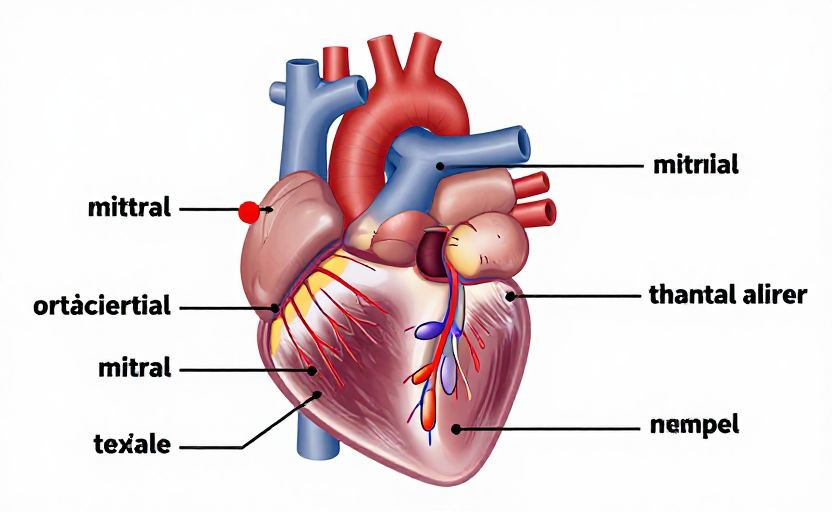
Think of your heart as a four-chambered pump. Between each chamber, there is a small flap of tissue called a valve. These valves open and close with every heartbeat to keep blood flowing in one direction. When a valve does not open fully (stenosis) or does not close tightly enough (regurgitation), the heart has to work harder to move the same amount of blood.
This extra workload is the core of the condition. Over months and years, the heart muscle may thicken, enlarge, or weaken as it tries to compensate. The diagnosis tells you that one of these valves is no longer doing its job efficiently.
How we detect it: from murmur to imaging
Most patients first discover a potential problem during a routine physical exam. A doctor hears a subtle whooshing sound—a heart murmur—that indicates turbulent blood flow. That is often the starting point.
The diagnostic process then moves to an echocardiogram, which is essentially an ultrasound for your heart. This painless, non-invasive test shows the doctor:
- The structure and thickness of the valve leaflets
- How well the valve opens and closes
- The speed and direction of blood flow through the valve
- The size and function of the heart chambers
In some cases, your cardiologist may order a transesophageal echocardiogram (TEE) to get a closer look, or a cardiac MRI for even more detail. By the time you receive a formal diagnosis, your care team typically has a clear picture of which valve is affected and how severely.
Understanding your severity stage: mild, moderate, severe
Not all heart valve disease is the same. Your diagnosis will almost certainly include a severity grade. This is not just a label—it drives the entire treatment plan.
A key distinction: Mild valve disease often requires nothing more than periodic monitoring. Severe disease may eventually require intervention, but many people live with moderate disease for years without symptoms.
The stage is determined by measurements taken during your echo, including pressure gradients across the valve and the area of the valve opening. Your cardiologist will explain your specific numbers, but the takeaway is this: the stage tells you how much extra stress your heart is currently under.
What symptoms should you actually watch for?
Heart valve disease can be a silent condition for a long time. The heart is remarkably good at compensating. Symptoms tend to appear gradually as the valve problem worsens. Common signals include:
- Shortness of breath during activities that used to be easy (climbing stairs, walking uphill)
- Noticeable fatigue and reduced stamina
- Swelling in the ankles, feet, or lower legs
- Fluttering or racing heart sensations
- Dizziness or fainting spells
- Chest discomfort or pressure during activity
If you experience any of these symptoms, especially if they are new or worsening, contact your cardiologist. Do not wait for your next scheduled appointment.
Your management options: monitoring, medication, or repair
Treatment is not a one-size-fits-all path. It depends on your specific valve, the severity, your age, your overall health, and your personal preferences. Here is a plain-language breakdown of what your doctor might recommend:
Active surveillance
For mild or moderate disease with no symptoms, the standard approach is watchful waiting. You will see your cardiologist regularly for exams and echocardiograms to track any progression. Many people remain in this phase for decades.
Medical management
There are no medications that fix a damaged valve directly. However, drugs can manage the symptoms and reduce the heart's workload. Your doctor may prescribe diuretics to reduce fluid buildup, beta blockers to slow the heart rate, or medications to control blood pressure and rhythm issues.
Intervention: repair or replacement
When valve disease becomes severe and starts causing symptoms or affecting heart function, intervention is usually the next step. There are two main routes:
- Surgical repair or replacement: Traditional open-heart surgery to fix the valve or replace it with a mechanical or biological valve.
- Transcatheter procedures: Minimally invasive approaches, such as TAVR (transcatheter aortic valve replacement) or MitraClip, where a new valve is delivered through a catheter, usually via an artery in the leg.
The choice between these approaches is highly individualized. Your cardiologist and a heart surgeon will discuss the risks and benefits specific to your situation.
Lifestyle adjustments that genuinely help
While you cannot reverse structural valve damage, the way you live day-to-day can significantly affect how you feel. Consistent, moderate exercise—with your doctor's approval—helps maintain cardiovascular fitness. A balanced diet low in excess sodium can reduce fluid retention and blood pressure. Staying well-hydrated supports overall circulation.
Equally important is understanding your body's signals. Learn to recognize your own early warning signs of fatigue or shortness of breath. Adjust your pace accordingly. That is not giving in to the condition; it is managing it intelligently.
What does the long-term outlook look like?
Heart valve disease is almost always a chronic condition, meaning it will be part of your health picture for life. That sounds daunting, but the prognosis has dramatically improved in recent years thanks to advances in imaging and minimally invasive procedures. Most people with well-managed valve disease maintain an excellent quality of life.
The key variables are consistent follow-up care and timely intervention when needed. Skipping annual checkups or ignoring new symptoms is the biggest risk factor for complications. If you stay engaged with your care team, you can often stay ahead of the curve.
Navigating the emotional side
A diagnosis like this can stir up anxiety, frustration, or even denial. That is normal. Living with a chronic heart condition requires a mental adjustment as much as a physical one. Many patients find it helpful to join a support group, talk with a counselor, or simply be honest with family members about the limits they may need to set.
One of the most empowering things you can do is become an active participant in your care. Bring a list of questions to appointments. Ask for clarification when something is unclear. Write down your echo results and track how they change over time. Knowledge reduces fear.
A heart valve disease diagnosis is a significant piece of health information, but it does not define your entire future. With the right monitoring, lifestyle habits, and medical support when needed, managing this condition is entirely possible.