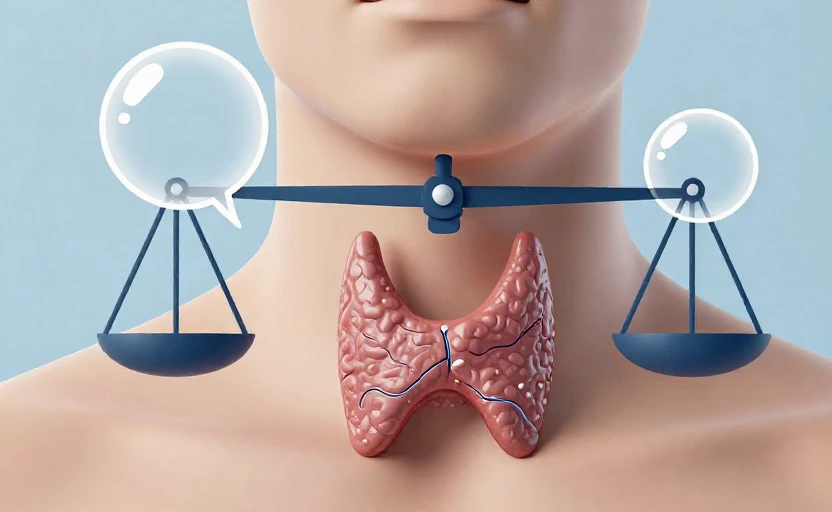
When it comes to thyroid health, the sheer volume of information—and misinformation—can feel overwhelming. It’s a topic where well-meaning advice from friends, compelling anecdotes online, and genuine scientific evidence often get tangled together. The result is a landscape filled with persistent myths that can lead to confusion, unnecessary worry, or missed opportunities for proper care.
Let’s untangle some of the most common stories from the science. Our goal isn’t to add more noise, but to provide a calm, clear look at what the evidence actually says about supporting your thyroid function and overall well-being.
Myth: Everyone with a sluggish thyroid needs iodine supplements.
This is one of the most pervasive and potentially problematic myths. Iodine is an essential building block for thyroid hormones, so the logic seems sound. However, in regions where iodized salt is common, like the United States and Canada, outright iodine deficiency is rare. The reality is more nuanced.
For individuals with autoimmune thyroid conditions like Hashimoto’s disease—the most common cause of hypothyroidism in developed nations—supplementing with high-dose iodine can sometimes trigger or worsen inflammation in the thyroid gland. It’s like adding more fuel to an existing fire. While ensuring adequate iodine through diet is important, self-prescribing supplements without understanding your individual thyroid picture can be counterproductive.
Think of iodine like a key ingredient: necessary, but the amount matters deeply depending on the recipe.
Myth: You can “boost” a slow thyroid with specific superfoods or diets.
Headlines promising that kale, coconut oil, or a certain diet will “rev up” your thyroid are compelling, but they oversimplify a complex gland. No single food possesses a magical thyroid-switch. The thyroid operates on a precise hormonal feedback loop involving your brain’s pituitary gland.
That said, consistent, balanced nutrition provides the foundational support the thyroid needs to do its job. Severe calorie restriction or eliminating entire food groups can disrupt this system. The focus should be on providing the raw materials—like selenium from Brazil nuts, zinc from legumes and seeds, and iron from lean meats and leafy greens—not on seeking a mythical “boost.”
Myth: Thyroid issues are solely about weight and energy.
While fatigue and weight changes are hallmark symptoms, the thyroid’s influence is vast. It acts as your body’s metabolic thermostat, regulating everything from heart rate and body temperature to mood, hair and skin health, and even cholesterol levels.
This is why the symptom picture can be so varied. One person might experience profound brain fog and dry skin, while another notices feeling unusually cold or having heavier menstrual cycles. Reducing thyroid health to just “weight gain and tiredness” means many of these other signals can be overlooked, delaying proper investigation.
When to consider a conversation with your doctor
If you’re experiencing a cluster of persistent, unexplained changes—such as lasting fatigue, significant hair loss, a shift in your bowel habits, a persistently hoarse voice, or a noticeable swelling in the neck—it’s reasonable to bring up thyroid function as one potential area to explore.
Fact: Diagnosis requires specific blood tests, not just symptoms.
Because symptoms are non-specific and overlap with many other conditions, an accurate diagnosis hinges on laboratory tests. The standard initial test is the Thyroid Stimulating Hormone (TSH) test. TSH is not a thyroid hormone itself; it’s a messenger hormone from your pituitary gland that tells your thyroid how much hormone to make.
A high TSH typically indicates an underactive thyroid (hypothyroidism), as your pituitary is shouting louder to get a response. A low TSH can suggest an overactive thyroid (hyperthyroidism). Often, doctors will also check levels of the actual thyroid hormones, Free T4 and sometimes Free T3, to get the full picture. For autoimmune causes, tests for thyroid antibodies (TPO antibodies) are key.
- TSH: The primary screening tool, indicating the signal from the brain.
- Free T4: The main storage hormone produced by the thyroid.
- Thyroid Antibodies: Detect autoimmune activity, as in Hashimoto’s.
Fact: Medication, when needed, is a replacement, not a stimulant.
For hypothyroidism, the standard treatment is levothyroxine, a synthetic form of the T4 hormone your body should be making. It’s not a stimulant or a metabolism drug; it’s a precise hormone replacement intended to restore normal levels. Taking it consistently, on an empty stomach with water, and waiting before eating or drinking coffee is crucial for proper absorption.
Finding the right dose is a careful process that requires follow-up blood tests, usually 6-8 weeks after starting or changing a dose. The goal is to normalize your TSH level, which should, in turn, alleviate symptoms over time. Patience during this titration phase is important.
Fact: Lifestyle supports the system but doesn’t replace treatment.
If you have a diagnosed thyroid condition requiring medication, lifestyle choices support the treatment; they don’t substitute for it. Think of medication as correcting the core hormonal deficit and lifestyle as creating the best possible environment for your overall health and for the medication to work effectively.
Consistent sleep, managed stress, regular moderate exercise, and a balanced, nutrient-dense diet all contribute to metabolic balance and well-being. This holistic approach is powerful, but it works in partnership with, not in place of, evidence-based medical care when a true deficiency exists.
Navigating the noise with a clear head
The most important step you can take is to build a collaborative relationship with a trusted healthcare provider. Come prepared with notes on your symptoms and questions. Be wary of sources that promise quick fixes, sell proprietary supplements as cures, or dismiss the need for standard testing.
Thyroid health is a vital piece of your wellness puzzle. By separating the enduring myths from the evidence-based facts, you empower yourself to participate actively and intelligently in your own care, focusing on what truly matters for your long-term well-being.