When your thyroid is overactive, the world can feel like it's moving at double speed. Your metabolism is in overdrive, your heart might race, and a sense of constant, buzzing energy can make it hard to find calm—especially at the end of the day. While medical management is the cornerstone of treatment, the food on your plate can play a supportive, grounding role. The goal isn't to "cure" with diet, but to provide your body with steady, nourishing fuel that helps counteract some of the nutrient depletion and metabolic strain hyperthyroidism can cause.
These five dinner recipes are built with that intention. They focus on meals that are easy to digest, rich in certain nutrients that may be depleted, and intentionally low in ingredients that might further stimulate an already revved-up system. Think of them as edible deep breaths: simple, satisfying, and designed to help you settle into a peaceful evening.
What makes a meal "thyroid-friendly" for hyperthyroidism?
Nutritional support for hyperthyroidism often centers on two key principles: replenishment and calm. The condition can increase the body's use of certain vitamins and minerals, while some foods might exacerbate symptoms like anxiety, rapid heartbeat, or digestive upset. The recipes here prioritize:
- Calcium and Vitamin D: Hyperthyroidism can affect bone density. Including these nutrients at dinner supports bone health.
- Magnesium: This mineral supports muscle and nerve function and can promote a sense of relaxation.
- Antioxidants: Found abundantly in colorful vegetables, they help combat oxidative stress.
- Lean, Easy-to-Digest Proteins: To support muscle maintenance without overtaxing digestion.
- Minimal Added Stimulants: We'll avoid heavy spices, excessive iodine sources, and ingredients known to be common irritants.
Always discuss dietary changes with your doctor or a registered dietitian, as individual needs can vary significantly, especially regarding iodine intake.
5 Calming Dinner Recipes
These recipes are templates. Feel free to adjust vegetables based on seasonality or preference, and modify cooking fats (like using avocado oil) to suit your needs.
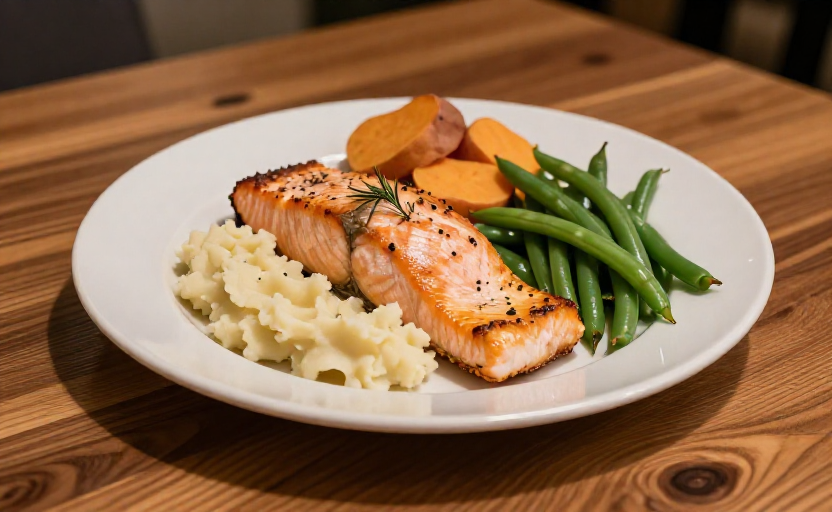
1. Soothing Ginger Salmon with Sweet Potato Mash
Salmon provides anti-inflammatory omega-3 fatty acids and vitamin D, while ginger offers gentle digestive support. Sweet potatoes are a superb source of beta-carotene and magnesium.
Method: Season a salmon fillet with a small amount of fresh grated ginger, a touch of lemon zest, and a pinch of salt. Bake at 400°F (200°C) for 12-15 minutes. Meanwhile, boil or steam peeled sweet potato chunks until tender. Mash with a little olive oil or a splash of unsweetened almond milk until creamy. Serve the salmon atop a bed of the mash with a side of steamed green beans.
2. Lentil and Spinach Dal with Basmati Rice
This plant-based meal is deeply nourishing. Lentils offer steady protein and iron, and spinach is packed with magnesium and calcium. Turmeric, used in moderation, provides curcumin, a compound noted for its antioxidant properties.
Method: Rinse one cup of red lentils. In a pot, sauté a diced onion in coconut oil until soft. Add a teaspoon of mild curry powder and a half-teaspoon of turmeric, cooking for one minute until fragrant. Add the lentils and three cups of vegetable broth. Simmer for 20 minutes until lentils are soft. Stir in a few large handfuls of fresh spinach until wilted. Serve over a small portion of fluffy basmati rice.
3. Calcium-Rich Creamy Tahini Buddha Bowl
Tahini (sesame seed paste) is an excellent source of calcium. This bowl combines cool, crunchy vegetables with a creamy, satisfying dressing.
Method: Prepare a base of cooked quinoa. Arrange raw or lightly steamed vegetables around it: think shredded red cabbage, cucumber ribbons, grated carrot, and steamed broccoli florets. Add a few chickpeas for extra protein. For the dressing, whisk together two tablespoons of tahini, the juice of half a lemon, a tablespoon of water, and a small clove of minced garlic until smooth. Drizzle generously over the bowl.
4. Simple Turkey and Vegetable Meatloaf with Roasted Asparagus
Lean ground turkey is a light protein source. Incorporating finely chopped vegetables into the meatloaf adds moisture, fiber, and nutrients without heaviness.
Method: Combine one pound of lean ground turkey with half a cup of rolled oats (gluten-free if needed), one egg, a half-cup of finely grated zucchini (squeezed dry), and a quarter-cup of finely chopped mushrooms. Season with a little dried oregano and parsley. Form into a loaf and bake at 375°F (190°C) for 45-50 minutes. While it bakes, toss asparagus spears in olive oil and roast on a separate tray for the last 15-20 minutes of cooking.
5. Cooling Cucumber and Dill Yogurt Soup with Chive Biscuits
For those evenings when even chewing feels like too much effort, this no-cook, probiotic-rich soup is hydrating and gentle. The yogurt provides protein and calcium.
Method: In a blender, combine two cups of plain, unsweetened Greek yogurt, one peeled and chopped English cucumber, a small handful of fresh dill, one tablespoon of olive oil, and the juice of half a lemon. Blend until smooth. Season with a little salt and white pepper. Chill for at least an hour. Serve with a simple whole-wheat or gluten-free biscuit sprinkled with fresh chives.
Building Your Own Calming Plates
Beyond these recipes, you can adopt a calming plate framework. Aim for:
- Half the plate non-starchy vegetables: Steamed, roasted, or raw for vitamins and fiber.
- A quarter lean protein: Like fish, poultry, tofu, or legumes.
- A quarter complex carbohydrate: Such as quinoa, sweet potato, or brown rice for sustained energy.
- A source of healthy fat: A drizzle of olive oil, a few avocado slices, or a sprinkle of seeds.
Eating mindfully—sitting down, chewing thoroughly, and avoiding screens—can also significantly aid digestion and help signal to your nervous system that it's time to rest. Your dinner is more than nutrition; it's a ritual that can bookend your day with intention and care.