Finding the energy to cook when you're managing Hashimoto's can feel like a monumental task. Between fatigue, brain fog, and the mental load of figuring out what to eat, lunch often becomes an afterthought—a grab-and-go moment that might not serve your thyroid health. The solution isn't a complex diet overhaul, but a simple shift in approach: gentle, intentional meal prep.
Think of these five lunches not as a restrictive prescription, but as a practical toolkit. They focus on whole-food ingredients known to support a calm immune response and provide steady energy, while being straightforward to prepare in advance. The goal is to nourish your body and lighten your daily mental load, one prepared container at a time.
What makes a lunch thyroid-friendly?
For Hashimoto's, the aim is to eat in a way that reduces inflammation and supports overall metabolic balance. This generally means emphasizing foods rich in specific nutrients—like selenium, zinc, and antioxidants—while being mindful of ingredients that might trigger sensitivity or digestive discomfort for some individuals. It’s about abundance, not deprivation: plenty of colorful vegetables, lean proteins, healthy fats, and fiber-rich complex carbohydrates.
The most sustainable meal plan is the one you can actually prepare and enjoy, especially on low-energy days.
These recipes avoid common inflammatory oils and excessive processed sugars. They are designed to be modular, so you can adjust based on your personal tolerances. If you avoid gluten or dairy, for instance, the swaps are simple. Listen to your body; it’s your best guide.
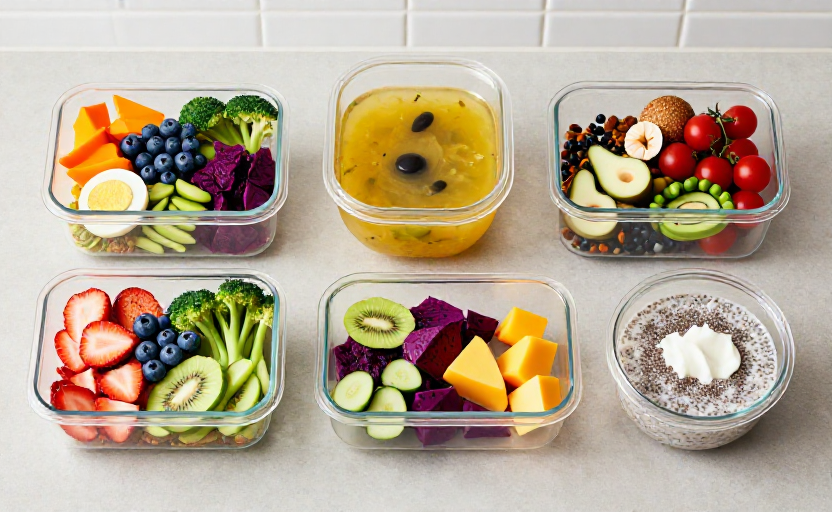
5 simple lunches for your prep day
Set aside an hour or two on a weekend or a quiet evening. Put on some music, and approach this as a form of self-care. Having these meals ready transforms a stressful midday decision into a moment of ease.
1. The foundational Buddha bowl
This is a perfect template for variety and nutrient density. Cook a large batch of a complex grain like quinoa or brown rice. Roast a tray of sturdy vegetables—think sweet potato cubes, broccoli florets, and bell peppers tossed in olive oil. Add a protein source: a big batch of baked salmon (rich in selenium and omega-3s) or lentils (for plant-based protein and fiber). Store each component separately. Each morning, assemble a bowl with a bit of each, and drizzle with a simple lemon-tahini or olive oil and herb dressing.
2. Immune-supportive chicken and vegetable soup
A warm, comforting soup is deeply nourishing. Sauté onions, garlic, celery, and carrots. Add bone broth (which contains minerals and collagen) or a good-quality vegetable broth, along with chopped chicken breast, zucchini, and kale. Season with turmeric and ginger, both known for their anti-inflammatory properties. Portion into jars for easy reheating. The slow-cooked nutrients are easy to digest and deeply hydrating.
3. Sardine salad lettuce wraps
Sardines are a thyroid superfood, packed with selenium, vitamin D, and omega-3 fatty acids. Mash a tin of boneless, skinless sardines in olive oil with a bit of avocado, lemon juice, diced cucumber, and fresh dill. Keep the mixture in a sealed container. Prep a few large, sturdy lettuce leaves (like romaine or butter lettuce) separately. At lunch, spoon the salad into the leaves for a crunchy, nutrient-dense wrap that requires no cooking at all.
4. Roasted turkey and roasted vegetable plate
Sometimes simplicity wins. Roast a turkey breast seasoned with rosemary and thyme. On another pan, roast a medley of Brussels sprouts and cauliflower with a touch of avocado oil. Divide into containers. The lean protein from the turkey provides steady energy and zinc, while the cruciferous vegetables, when cooked, offer antioxidants and fiber. Serve with a side of sauerkraut for gut-friendly probiotics.
5. Chia seed pudding with berries and pumpkin seeds
For days when you want a lighter, cooler option that still delivers key nutrients. Mix chia seeds with unsweetened coconut milk or almond milk, a dash of vanilla, and a small amount of maple syrup if desired. Let it set overnight. Portion into jars and top with fresh or frozen berries (high in antioxidants) and a tablespoon of pumpkin seeds (for zinc and magnesium). It’s a satisfying, make-ahead lunch that feels like a treat.
Making your prep work for you
Invest in good-quality glass containers in a few different sizes. They make assembly easy and keep food fresh. When you store components separately, you maintain texture and can mix-and-match throughout the week to avoid boredom.
Don’t underestimate the power of a great dressing or sprinkle. A jar of lemon vinaigrette, a bag of toasted nuts or seeds, or a container of fresh herbs can elevate a simple plate and add a boost of flavor and nutrients.
Most importantly, be kind to yourself. Some weeks you’ll prep all five ideas; other weeks, preparing a double batch of one recipe is a victory. Consistency over perfection is the true key to building a sustainable, thyroid-supportive habit.