Navigating a thyroid condition often feels like a delicate balancing act. While medication is the cornerstone of treatment for many, the food on your plate plays a crucial supporting role. It can’t cure thyroid disease, but a thoughtful, thyroid-friendly diet can help manage symptoms, support overall well-being, and create an environment where your body—and your medication—can work more effectively.
Think of it less as a restrictive diet and more as a pattern of eating that prioritizes nourishment. The goal is to choose foods that reduce inflammation, provide steady energy, and supply the specific nutrients your thyroid gland needs to function. It’s about building a plate that works for you, not against you.
Foundational Nutrients for Thyroid Support
Your thyroid gland is a nutrient-hungry organ. Certain vitamins and minerals are essential for the production and conversion of its hormones. Focusing on foods rich in these can be a powerful step toward better management.
Iodine is the most famous thyroid nutrient, as it’s a key building block of thyroid hormones. However, the approach here requires nuance. Iodine deficiency can cause problems, but excessive iodine, especially from supplements, can worsen certain thyroid conditions like Hashimoto’s. For most people, the safest path is to get iodine from dietary sources in moderation. Seaweed, iodized salt, dairy products, and eggs are common sources.
It’s generally best to avoid high-dose iodine supplements unless specifically recommended by your doctor.
Selenium is a critical antioxidant that helps protect the thyroid gland and converts the inactive thyroid hormone (T4) into the active form (T3) your body uses. Brazil nuts are an exceptionally rich source—just one or two a day can meet your needs. Other good sources include tuna, halibut, sardines, eggs, and sunflower seeds.
Zinc plays a similar role in hormone conversion. A deficiency can contribute to hypothyroid symptoms. You can find zinc in foods like oysters, beef, pumpkin seeds, lentils, and chickpeas.
Foods to Emphasize for Thyroid Health
Building your meals around whole, anti-inflammatory foods forms the bedrock of a supportive diet. These choices help combat the fatigue and inflammation often associated with thyroid disorders.
- Colorful Fruits and Vegetables: Aim for a rainbow. Berries, leafy greens, bell peppers, and sweet potatoes are packed with antioxidants and fiber, which support gut health and reduce oxidative stress.
- Lean Proteins: Protein helps stabilize blood sugar and provides the amino acids necessary for countless bodily processes. Include sources like fish, chicken, turkey, tofu, beans, and lentils.
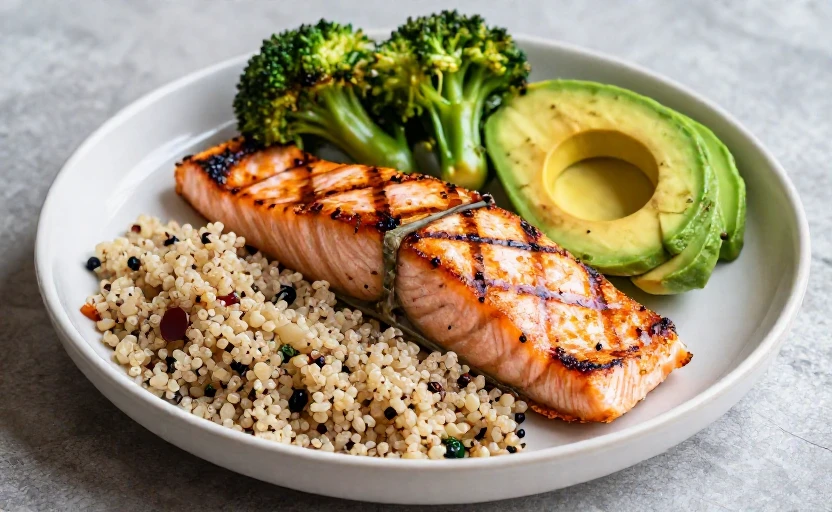
- Healthy Fats: Don’t fear fat. Your brain and hormones need it. Focus on sources like avocados, olive oil, nuts, seeds, and fatty fish such as salmon and mackerel, which provide anti-inflammatory omega-3s.
- Fiber-Rich Complex Carbohydrates: Choose carbs that release energy slowly. Quinoa, oats, brown rice, and starchy vegetables help prevent the energy crashes that can exacerbate thyroid-related fatigue.
Navigating Goitrogens: A Balanced View
You may have heard that certain vegetables like broccoli, cauliflower, kale, and cabbage—known as cruciferous vegetables—are “bad” for the thyroid. These foods contain compounds called goitrogens, which in very large, raw quantities can interfere with iodine uptake.
The reality is far less alarming for most people. Cooking significantly reduces goitrogenic activity. The health benefits of these nutrient-dense vegetables (rich in fiber, vitamins, and antioxidants) far outweigh any theoretical risk when consumed as part of a balanced diet. If you have an iodine deficiency or are eating extremely large amounts raw daily, it’s worth a conversation with your doctor. For everyone else, enjoy them cooked.
Foods and Habits to Be Mindful Of
While few foods are completely off-limits, some require careful timing or moderation, particularly if you are on thyroid medication.
Timing Your Medication: This is perhaps the most important dietary rule. Thyroid hormone replacement medication (like levothyroxine) should be taken on an empty stomach with water only. Wait at least 30 to 60 minutes before eating, and ideally 3 to 4 hours before or after taking calcium or iron supplements, as they can block absorption.
Highly Processed Foods: Foods high in refined sugar, unhealthy fats, and sodium can drive inflammation and worsen symptoms like fatigue, weight fluctuations, and brain fog. Reducing packaged snacks, sugary drinks, and fast food is a universal win for health.
Soy Products: The evidence on soy is mixed. Some studies suggest very high intake may interfere with hormone absorption. A moderate amount of whole soy foods like tofu, tempeh, or edamame is likely fine for most, but consistency is key. Try to consume it at the same time each day relative to your medication, and avoid soy-based protein shakes or supplements close to your pill.
Putting It All Together on Your Plate
A thyroid-friendly plate is simply a balanced, nutrient-dense plate. Visualize it in sections: fill half with non-starchy vegetables, a quarter with lean protein, and a quarter with complex carbohydrates. Add a thumb-sized portion of healthy fat.
Listen to your body. Some people with Hashimoto’s find that reducing gluten or dairy helps with bloating and energy, though this is highly individual. If you suspect a food sensitivity, consider an elimination diet under the guidance of a registered dietitian or doctor.
Ultimately, the best diet is one that is sustainable, reduces your specific symptoms, and makes you feel nourished. It’s a key piece of your management plan, working in concert with your medication and healthcare team to support your overall health and vitality.