Starting your day with the right foods can feel like a gentle, supportive act for your thyroid. This small but mighty gland sets the pace for your metabolism and energy, and what you eat in the morning can help create a stable, nourishing environment for it to function. The goal isn't a restrictive diet, but rather a mindful approach—choosing foods that provide key nutrients while avoiding those that might create unnecessary hurdles for a sensitive system.
A thyroid-friendly breakfast focuses on whole, anti-inflammatory foods that supply steady fuel. It balances protein, healthy fats, and fiber-rich carbohydrates to avoid the blood sugar spikes and crashes that can leave you feeling drained by mid-morning. Think of it as laying a calm, sustained foundation for your energy throughout the day.
What makes a breakfast thyroid-friendly?
Thyroid health hinges on a few key nutrients and the overall balance of your meal. The thyroid gland requires specific building blocks, like iodine and selenium, to produce its hormones. Meanwhile, supporting stable blood sugar and reducing inflammation takes pressure off your entire system, allowing your thyroid to work without extra stress.
An ideal plate includes a source of lean protein to support tissue repair and hormone production, complex carbohydrates for sustained energy release, and healthy fats that are crucial for absorbing fat-soluble vitamins and modulating inflammation. It also consciously limits or prepares foods known as goitrogens, which can interfere with thyroid hormone production when consumed raw and in very large, frequent amounts.
The foundation is balance: protein for satiety and function, smart carbs for energy, and fats for absorption and inflammation control.
Key nutrients to include in your morning
While a varied diet is best, paying a little extra attention to these nutrients at breakfast can be particularly supportive.
Selenium is a powerful antioxidant that helps convert the inactive thyroid hormone (T4) into the active form (T3) your body uses. A severe deficiency is rare, but ensuring adequate intake supports this critical process. You can find it in:
- Brazil nuts (just one or two provides a daily dose)
- Eggs
- Sunflower seeds
- Mushrooms
Iodine is a direct component of thyroid hormones. Both deficiency and excess can be problematic, so the aim is for sufficiency, not megadoses. In most developed countries, iodized salt is the primary source. Other natural sources include seaweed, fish, dairy, and eggs.
Zinc plays a role in thyroid hormone production and regulation. It’s found in pumpkin seeds, chickpeas, lentils, and animal proteins like chicken or turkey.
Iron is necessary for thyroid hormone synthesis. Low iron levels can impair thyroid function. Pair plant-based iron sources (like spinach or lentils) with vitamin C-rich foods (like bell peppers or citrus) to enhance absorption.
Foods to approach with mindfulness
Some foods contain compounds called goitrogens, which can interfere with thyroid hormone production when consumed in extremely large, raw, and consistent amounts. For most people with normal thyroid function, these foods are healthy and pose no issue. For those with existing thyroid conditions, especially Hashimoto's, moderation and preparation are key.
Cruciferous vegetables like broccoli, cauliflower, kale, and Brussels sprouts are the most commonly discussed. The simple act of cooking—steaming, roasting, or sautéing—significantly reduces the goitrogenic activity. Enjoying them cooked as part of a varied diet is generally recommended over avoidance.
Soy, in forms like tofu, tempeh, and edamame, is another. Current research suggests that soy is safe for thyroid health in individuals with adequate iodine intake. The caution is primarily around consuming very large quantities of highly processed soy supplements or protein isolates. Whole, fermented soy foods like tempeh are a fine occasional protein choice.
Simple and satisfying breakfast ideas
These ideas are templates you can adapt based on your preferences and what you have on hand.
Warm and comforting bowls
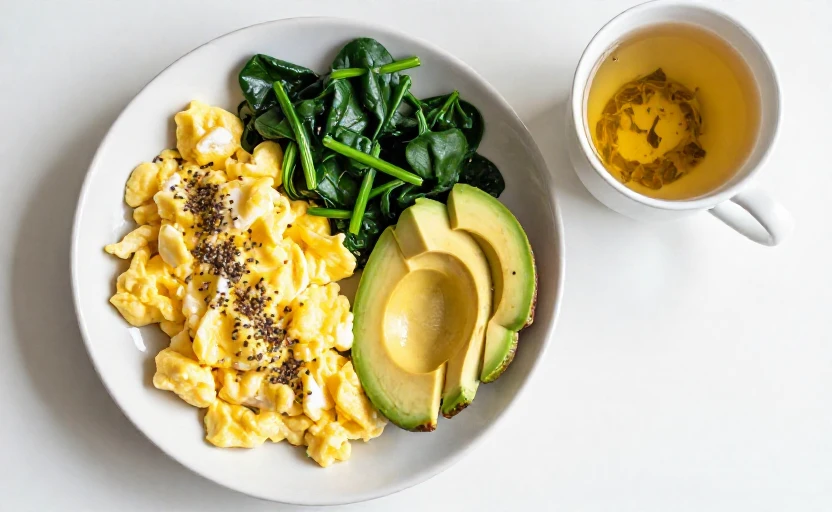
A warm breakfast can feel deeply nourishing. Try a bowl of oatmeal made with rolled oats, topped with a sprinkle of pumpkin seeds, a few berries for vitamin C, and a dollop of Greek yogurt for protein. For a savory option, a soft-boiled egg over a bed of sautéed spinach and mushrooms with a side of avocado offers selenium, iron, healthy fats, and protein.
Quick blended options
For busy mornings, a smoothie can pack in nutrients. Blend a handful of cooked (then frozen) cauliflower or zucchini for creaminess, a scoop of collagen or plant-based protein powder, a tablespoon of sunflower seed butter, a handful of spinach, and unsweetened almond milk. Add a few frozen berries for flavor. Using cooked vegetables avoids raw goitrogens and creates a wonderfully thick texture.
Make-ahead solutions
Prepare a batch of chia seed pudding by mixing chia seeds with coconut milk and a dash of vanilla. Let it set overnight. In the morning, top it with sliced banana and a crushed Brazil nut. Egg muffins are another great option: whisk eggs with diced cooked sweet potato, chopped cooked broccoli, and diced turkey, then bake in a muffin tin for a portable, protein-rich start.
Remember, consistency with a balanced approach matters more than perfection at any single meal. Listen to how your body feels after different foods. A thyroid-friendly breakfast is simply one that provides steady, calm energy and nourishes your body’s intricate systems, helping you move through your day with greater ease.