4 diet considerations for managing a benign thyroid nodule
Learn four evidence-informed diet considerations for managing a benign thyroid nodule — covering iodine, cruciferous vegetables, anti-inflammatory foods, and medication timing.
Discover articles, guides, and practical insights for a healthier lifestyle.
Learn four evidence-informed diet considerations for managing a benign thyroid nodule — covering iodine, cruciferous vegetables, anti-inflammatory foods, and medication timing.
Practical questions to ask your doctor after a thyroid nodule diagnosis: ultrasound findings, biopsy need, TSH levels, monitoring schedule, and specialist referrals.
Learn 4 common breakfast mistakes that can aggravate thyroid nodule symptoms like fatigue and brain fog, plus practical, research-backed alternatives.
If you have a newly discovered thyroid nodule, limit soy-based drinks, energy beverages, and sugary sodas. These drinks can affect thyroid function and medication absorption.
Endocrinologists explain the most common cause of thyroid nodules: iodine deficiency, aging, and Hashimoto’s. What you need to know about benign nodules and when to worry.
Two common daily habits—low iodine intake and chronic stress—may increase your risk of developing thyroid nodules. Learn what the research says and how to reduce your risk.
5 signs a thyroid nodule may need more testing: growth over time, voice changes, a hard lump, swallowing problems, or suspicious ultrasound features.
Dietitians share three foods that may contribute to thyroid nodule growth, including cruciferous vegetables, processed soy, and high-sugar foods. Practical advice inside.
Endocrinologists debunk 5 common hyperthyroidism myths: rarity, iodine diets, natural cures, medication timing, and weight-loss assumptions. Evidence-based facts inside.



Owala FreeSip Insulated Stainless Steel Water Bottle with Straw, BPA-Free Sports Water Bottle, Great for Travel, 24 Oz, Very, Very Dark
Check it out
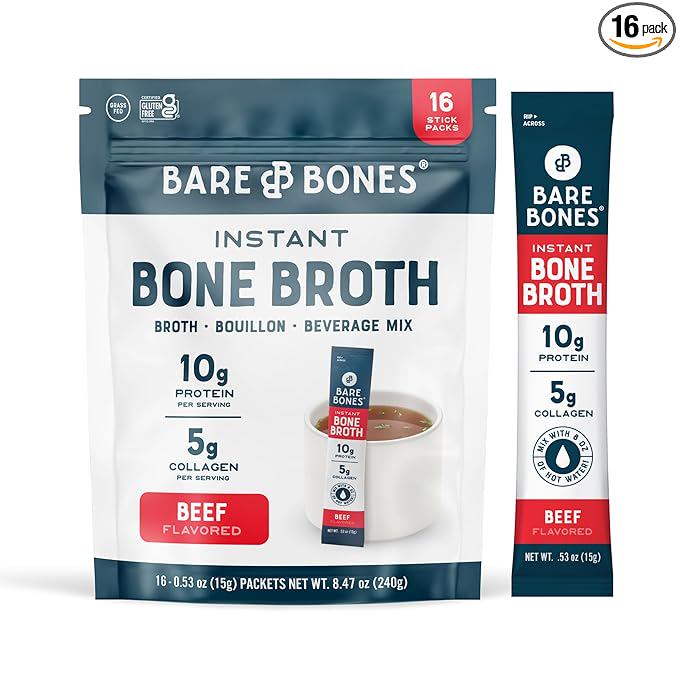
Bare Bones Beef Bone Broth Instant Powdered Mix Packets | 5g Collagen | 10g Protein | Keto & Paleo Friendly | No Artificial Flavors | Rich Savory on-the-go 16 Pack
Check it out