Being told you have a benign thyroid nodule can bring a mix of relief and lingering questions, especially about what you can do to support your thyroid health. While these nodules are very common and rarely cancerous, many people want to know if changing their diet might help manage the nodule or prevent it from growing. The short answer is that diet alone cannot shrink or eliminate a nodule, but thoughtful nutritional choices can support overall thyroid function, reduce inflammation, and help address underlying imbalances that may contribute to nodule formation.
Before making any major dietary changes, it’s always wise to work with your healthcare provider or a registered dietitian who understands your specific thyroid lab values. That said, the following four diet considerations offer a solid, evidence-informed framework for anyone with a benign thyroid nodule who wants to eat in a way that respects their thyroid.
1. Ensure adequate, but not excessive, iodine intake
Iodine is the raw material your thyroid uses to produce hormones. Both too little and too much iodine can lead to thyroid dysfunction and may even promote nodule growth. In many parts of the world, including the United States, iodine is added to table salt, which generally prevents deficiency for most people. However, if you use only sea salt or gourmet salts that lack iodine, you may be getting less than you need. On the flip side, consuming very high amounts of iodine — for example from kelp supplements or certain seaweed snacks eaten in large quantities — can trigger thyroid inflammation and worsen nodules in susceptible individuals.
Stick to iodized salt in cooking and avoid high-dose iodine supplements unless your doctor specifically advises them.
Food sources of iodine in moderate amounts include fish, dairy products, and eggs. If you are already using iodized salt, you likely do not need to actively seek out more iodine.
2. Eat more cruciferous vegetables — cooked, not raw
If there’s one dietary rumor that causes confusion among thyroid patients, it’s this one: you should avoid broccoli, kale, and cabbage because they are goitrogens. Goitrogens are compounds that can interfere with iodine uptake by the thyroid. The reality is more nuanced. For someone with a healthy thyroid and adequate iodine intake, eating these vegetables raw in large, juiced quantities could theoretically pose a problem. But for the vast majority of people, especially those with a benign nodule, the benefits of these nutrient-dense foods far outweigh any theoretical risk.
The good news is that heat significantly reduces goitrogenic compounds. Steaming, roasting, or stir-frying cruciferous vegetables renders them thyroid-friendly while preserving their anti-inflammatory and cancer-protective properties. Diets rich in cruciferous vegetables are linked to lower overall cancer risk, including thyroid cancer. Aim for several servings a week, always cooked.
3. Prioritize foods that reduce inflammation and support the immune system
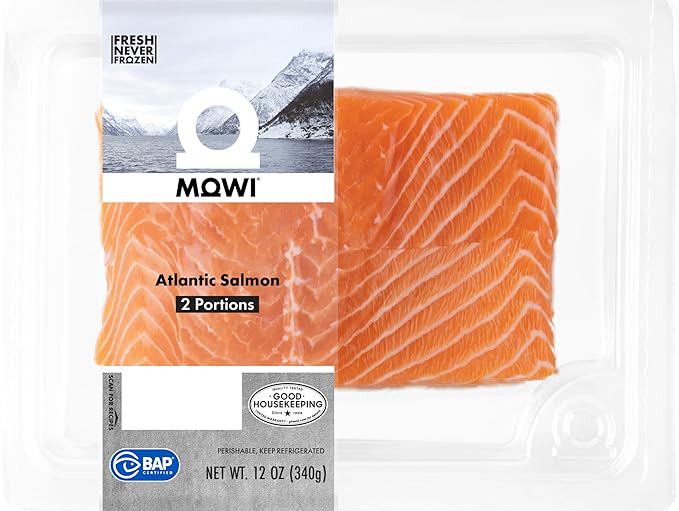
Chronic low-grade inflammation may contribute to thyroid nodule formation, especially in autoimmune thyroid conditions like Hashimoto’s disease, which is a common underlying cause of nodules. Foods rich in antioxidants, omega-3 fatty acids, and other anti-inflammatory compounds can help calm this process. Think of a Mediterranean-style eating pattern with plenty of colorful vegetables, fruits, legumes, whole grains, nuts, seeds, and fatty fish such as salmon, mackerel, and sardines.
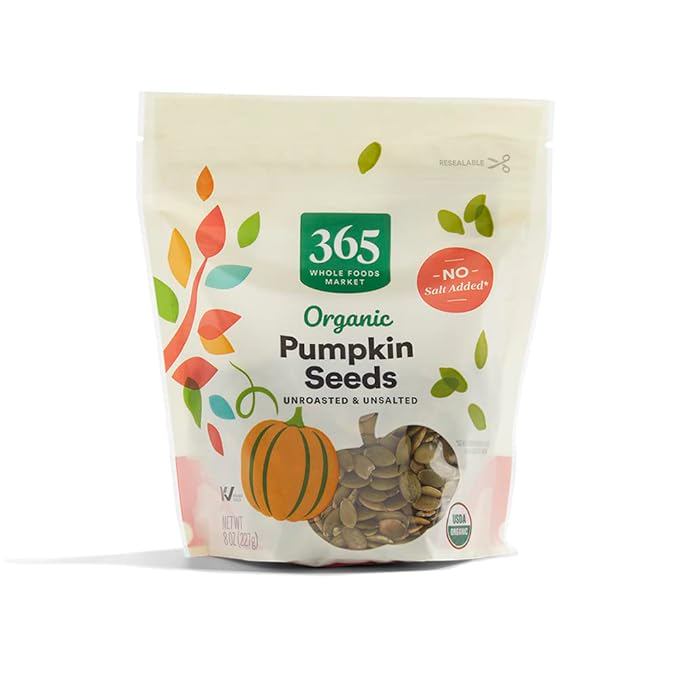
Specifically, selenium and zinc are two minerals that play starring roles in thyroid health. Selenium helps convert the inactive thyroid hormone T4 into the active form T3 and protects the thyroid gland from damage. Brazil nuts are the richest food source — just one or two per day is enough. Zinc is found in oysters, beef, pumpkin seeds, and chickpeas. A deficiency in either mineral has been linked to thyroid dysfunction and nodule formation, so including these foods regularly is a smart move.
4. Watch your soy and cruciferous intake if you take thyroid medication
This consideration is less about the nodule itself and more about making sure your thyroid hormone replacement medication (if you take one) works as intended. Soy, as well as high-fiber foods, can interfere with the absorption of levothyroxine. If you take thyroid medication, it’s important to take it on an empty stomach with water, and wait at least 30 to 60 minutes before eating. You do not need to eliminate soy or high-fiber foods entirely, but be consistent so your dose can be adjusted appropriately.
Additionally, some people with benign nodules develop subclinical hypothyroidism, which may be managed with medication. When diet is consistent, lab results are more reliable and it’s easier to find the right dose. Keep a food log if you notice symptoms fluctuating after meals — this can be a helpful conversation starter with your doctor.
Managing a benign thyroid nodule is rarely about one dramatic change. Instead, it’s about creating a balanced, nutrient-replete diet that supports your thyroid without overloading it with any single substance. Stay hydrated, limit processed foods and added sugars, and focus on variety. And remember: your thyroid does not need to be the center of your every meal — it just needs consistent, reasonable support.