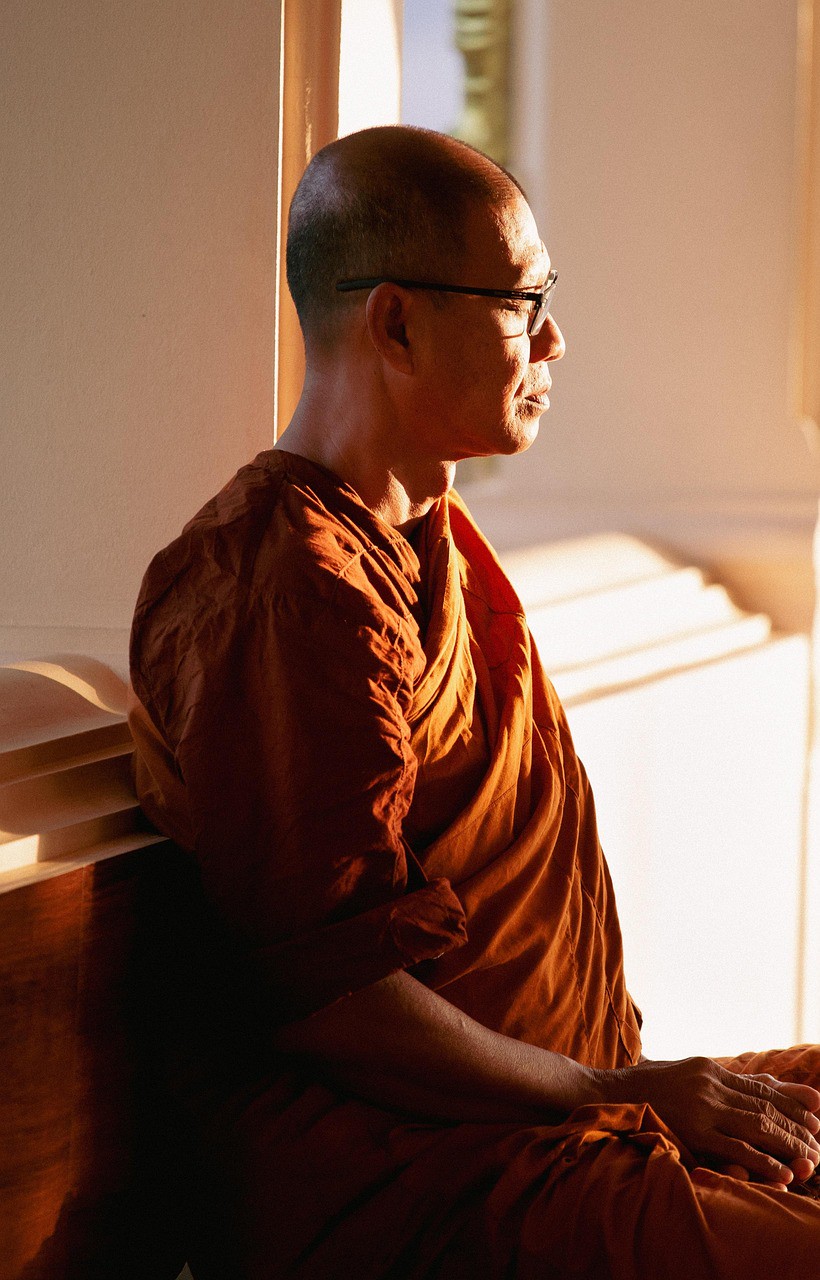
You sit down for a quiet moment. The tea is hot, the room is still, and you're ready to check in with yourself. Then your hand drifts toward a bag of chips or a cookie. It feels harmless—just a little something while you breathe. But that seemingly small habit may be undoing the very calm you're trying to build.
Mindfulness isn't just about what you do during meditation. It's also about how you treat your body in the moments around it. And one common snack mistake—reaching for processed, high-sugar, or high-salt foods during or right after a mindful moment—can spike cortisol, disrupt your nervous system, and train your brain to associate stillness with reward eating.
What happens when you snack mindlessly during a mindful moment
The term mindfulness implies presence. When you eat a hyper-palatable snack while trying to meditate or rest, your brain splits its attention. You aren't fully tasting the food, and you aren't fully present with your breath. Instead, you're reinforcing a pattern where relaxation becomes a cue to eat.
This isn't about moralizing food. It's about neurology. The brain's reward center lights up when you combine a calming activity with a concentrated dose of sugar or salt. Over time, your nervous system begins to expect that hit. If the snack doesn't arrive, the mind may feel restless, even agitated, during what should be a peaceful practice.
Pairing stillness with processed snacks can condition your brain to crave stimulation precisely when it needs to settle.
The cortisol connection you didn't expect
Cortisol, your primary stress hormone, follows a natural daily rhythm. It should peak in the morning and taper off by evening. But certain foods can disrupt that curve. Refined carbohydrates and sugary snacks cause rapid spikes and crashes in blood glucose. Each crash signals your adrenal glands to release more cortisol to bring your blood sugar back up.
Now add a mindfulness practice that is meant to lower your heart rate and calm your stress response. If you eat a snack that sends your blood sugar on a roller coaster, you are essentially fighting your own practice. Your body receives mixed signals: Calm down, but also: prepare for a stressor.
High-sodium snacks also play a role. Excessive salt can elevate blood pressure and activate the sympathetic nervous system—the fight-or-flight branch. That's the opposite of the parasympathetic state you want during meditation or deep breathing.
Why the timing of your snack matters
Having a snack an hour before or after a mindfulness session is generally fine. The problem is the during moment. When you eat while trying to be present, you risk creating a conditioned response. Over weeks and months, your brain may learn: stillness equals eating. This undermines your ability to sit quietly without craving a distraction.
There is also a digestion argument. Mindfulness often involves deep belly breathing, which works best on a relatively empty stomach. If you are digesting a heavy or salty snack, your diaphragm has less room to move, and your breathing may feel shallow. Shallow breathing can subtly increase anxiety and raise cortisol further.
Common snack culprits that derail calm
Not all snacks are equal. The ones most likely to interfere with mindfulness and raise cortisol share a few traits:
- High sugar content: Candies, sweetened granola bars, and pastries cause glucose spikes and crashes.
- Refined grains: Chips, pretzels, and crackers convert quickly to sugar in the bloodstream.
- Excess sodium: Processed savory snacks can elevate blood pressure and trigger a stress response.
- Caffeine-heavy snacks: Chocolate-covered coffee beans or energy bites can overstimulate the nervous system.
That doesn't mean you can never have these foods. It means that pairing them with a mindfulness practice is counterproductive.
How to snack in a way that supports your practice
The goal is not to eliminate snacks. It's to choose snacks that work with your nervous system, not against it. If you feel genuinely hungry before or during a mindfulness session, consider these options:
- A small handful of almonds or walnuts: Healthy fats and protein help stabilize blood sugar.
- A piece of whole fruit: The fiber slows sugar absorption, avoiding spikes.
- Plain yogurt or a few slices of cheese: Protein and fat support satiety without a sugar rush.
- Vegetable sticks with hummus: Low glycemic load and a good crunch without the salt overload.
If you do want a treat, have it after your mindfulness session, not during. That way, you can eat it with full attention, savoring each bite, which actually supports the principles of mindfulness.
Breaking the conditioned habit
If you notice your hand reaching for a snack the moment you sit down to meditate, take a gentle pause. Ask yourself: Am I actually hungry, or am I looking for comfort or distraction? This awareness is the heart of mindfulness. You are not trying to be perfect; you are trying to notice your patterns without judgment.
Over time, you can retrain your nervous system. The stillness itself becomes the reward. Your cortisol levels stabilize, your breathing deepens, and your practice becomes a true reset rather than a prelude to a crash.
Mindfulness and nutrition are deeply connected. When you align what you eat with the state you want to cultivate, your practice becomes more powerful. Choose snacks that honor your calm, not sabotage it.