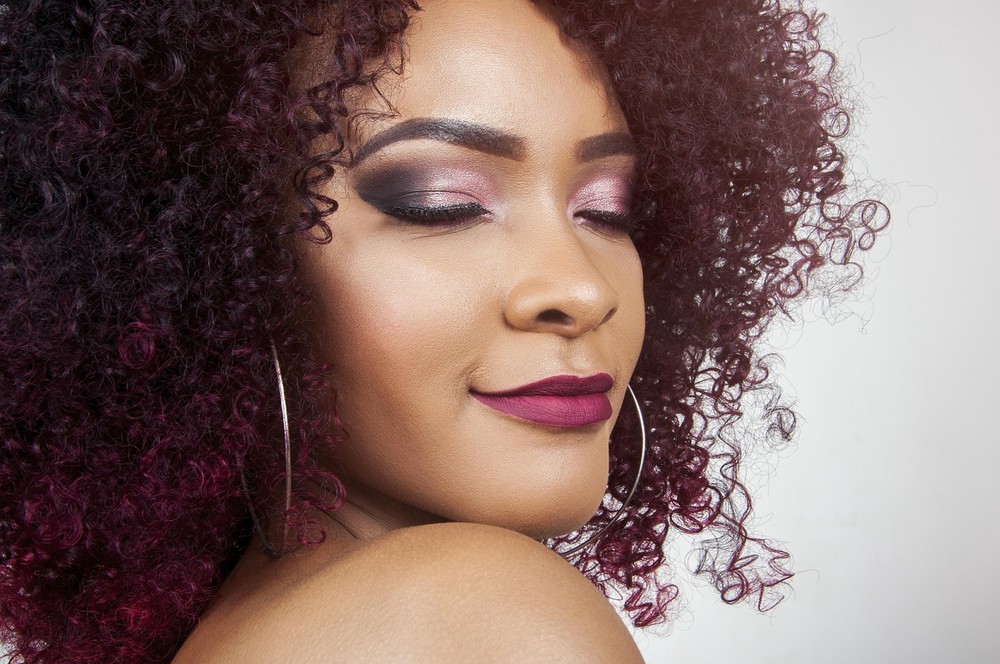
If you have curly hair, you already know that heat styling is a gamble. One wrong move and your curls go from defined and bouncy to dry, frizzy, and broken. But here's a less obvious culprit that many people overlook: the way you brush your hair before and during heat styling could actually be making the damage worse.
It's a common mistake to think that more brushing equals smoother results. We grab a brush or a fine-tooth comb, pull through our curls until they're straight, and then reach for the flat iron or blow-dryer. Unfortunately, that very action can create microscopic cracks and stress points in the hair shaft that heat then exploits. Instead of protecting your curls, you are setting them up for fracture.
The Problem with Over-Brushing Curly Hair
Curly hair is structurally different from straight hair. The twists and turns in the hair fiber create natural weak points. When you brush aggressively—especially when the hair is dry or improperly detangled—you can create mechanical trauma. This includes split ends, breakage along the curl pattern, and lifted cuticles.
When you then apply heat to a hair strand that already has micro-damage from brushing, the heat drives that damage deeper. The water inside the hair shaft turns to steam, expanding faster than the damaged cuticle can handle. The result is not just dryness; it is physical bursting of the hair fiber. This is often called "bubble hair" or heat-induced hair fracture.
What Actually Happens When You Over-Brush Before Heat Styling
Many people think they are smoothing the hair by brushing it repeatedly before using a flat iron or blow-dryer. Instead, they are causing the following sequence of damage:
- Cuticle lifting: Aggressive brushing, especially with a brush that has ball-tipped bristles or stiff nylon bristles, can lift the cuticle layer. Once lifted, the cuticle cannot lay flat again without careful treatment.
- Hygral fatigue: Over-brushing stretches the hair while it is dry or damp, causing internal stress. When heat is applied, the hair expands and contracts rapidly, worsening the fatigue.
- Uneven heat distribution: Brushing can tangle or compress certain sections of hair more than others, creating hot spots. Those areas then receive more heat than intended, leading to scorching or burning.
How to Brush Curly Hair for Heat Styling (The Right Way)
You do not need to stop brushing altogether. The key is to brush only when necessary and with the proper technique. Here is a simple, low-damage routine for brushing curly hair before heat:
- Brush only when wet or damp with slip: Never brush dry curly hair unless you are going for a specific stretched look and your hair is coated with a heat protectant and detangling product. For heat styling, always brush with a leave-in conditioner or a dedicated detangler that provides slip (lubrication).
- Use the right tool: A wide-tooth comb or a brush designed specifically for curly hair (with flexible, widely spaced bristles) is far gentler than a paddle brush or a fine-tooth comb. Avoid brushes with ball-tips if you have fine curly hair, as they can snag.
- Section your hair: Only brush one section at a time. This reduces the amount of pulling and tugging on the rest of your hair. Start from the ends and work your way up to the roots.
- Stop brushing once it is smooth: Do not brush for the sake of brushing. As soon as a section is tangle-free and smooth, move on. Over-brushing, even gently, can still cause friction.
A quick tip: If you are using a flat iron, brush the section once with the iron closed to seal the cuticle—not repeatedly before passing the iron over the hair. This minimizes mechanical stress.
Signs That Your Brushing Habit Is Already Causing Heat Damage
If you are not sure whether your current brushing technique is contributing to heat damage, look for these signs:
- Your hair feels rough or sticky when you run your fingers over it after heat styling, even when it is clean.
- You see white dots or tiny knots on individual strands near the ends—these are signs of cuticle fracture.
- Your curls do not spring back as much as they used to after heat styling, even after several washes.
- You notice more breakage, especially where your hair naturally bends or loops.
Combine Good Brushing with Heat Protection
Even the best brushing technique cannot fully protect against heat damage if you skip the heat protectant. But here is the catch: the order matters. Apply your heat protectant before you brush. This allows the product to coat the strand completely, reducing friction during brushing. Then, after brushing, apply a second light layer of protectant to any sections that feel dry or uneven. The goal is to create a protective barrier that fills in the gaps created by brushing.
The habit of over-brushing is often a holdover from old straight-hair routines. Curly hair does not need to be brushed smooth to look good. In fact, the less you brush it, the stronger it tends to be. By cutting down on unnecessary brushing and focusing on gentle, targeted detangling, you give your curls a fighting chance against the heat.
Remember: your hair's natural curl pattern is its strength. Do not brush it into submission before hitting it with a hot tool—work with your curl's shape, not against it, and you will notice a real difference in breakage and overall texture.