
If you have curls, you already know the balancing act: keeping them defined and moisturized without weighing them down or triggering buildup. A hair rinse made from natural ingredients sounds like a gentle solution—and marigold with tea tree oil is a popular DIY recipe. But there is a nuance in this conversation that often gets overlooked. While marigold and tea tree oil have genuine benefits for scalp health, the way you use them—and what you may be adding to the mix—could be masking heat damage on your curls rather than repairing it.
Let's look at what this specific rinse can actually do, where the misunderstandings lie, and how to tell if you are treating a symptom instead of the root problem.
What makes marigold a good choice for hair?
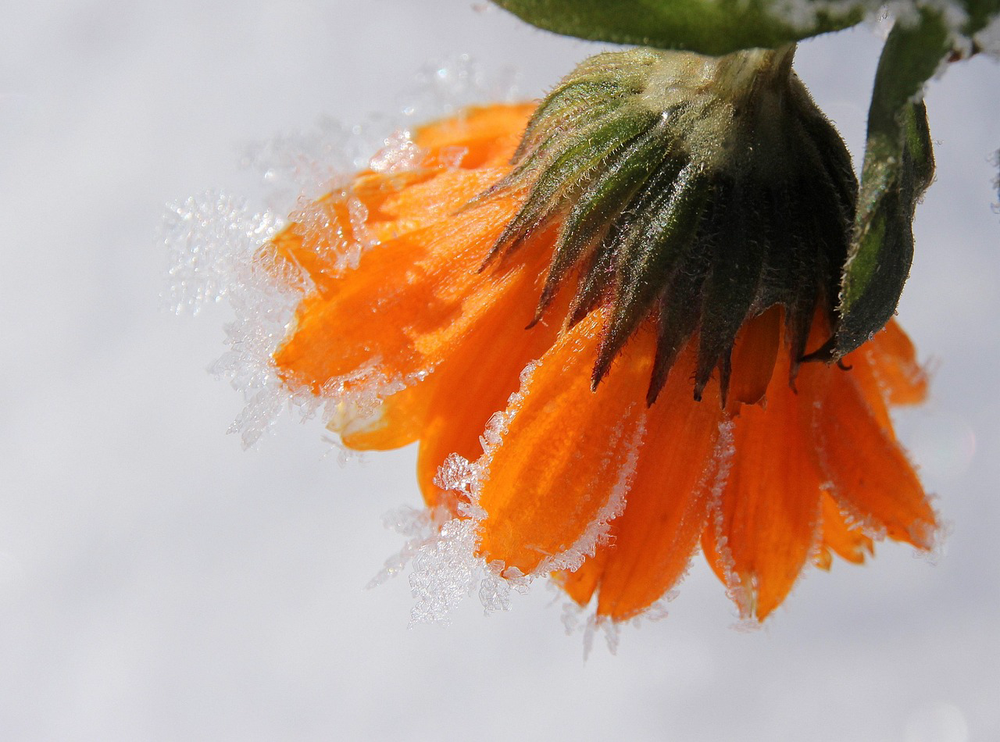
Marigold, also called calendula, has a long history in herbal skin and scalp care. The flowers contain flavonoids and saponins that give them mild anti-inflammatory and antifungal properties. When applied to the scalp, marigold can help calm irritation and reduce flaking. It also provides a light moisturizing effect, which can make hair appear shinier and more manageable—especially if your scalp tends to feel dry or itchy.
For people with textured or curly hair, a well-formulated marigold rinse can temporarily smooth the cuticle and add a bit of slip, which helps with detangling. That temporary slip, however, is not the same as structural repair.
- Reduces surface inflammation and mild dandruff
- Adds a natural gloss without heavy oils
- Provides gentle cleansing without stripping the scalp
Tea tree oil: the antibacterial booster
Tea tree oil is widely studied for its antimicrobial effects. A few drops in a rinse can help keep the scalp clear of bacteria and fungi that contribute to dandruff and folliculitis. Improved scalp circulation is another reported benefit, and that can support healthier hair growth over time—but only if the hair shaft itself is not already damaged.
The catch: tea tree oil is potent and can irritate skin if used undiluted. Most DIY recipes call for 10–12 drops in 250 ml of water, which is generally safe for topical use, but if you have sensitive skin or eczema, you may want to start with fewer drops and patch-test first.
Remember: Tea tree oil treats the scalp, not the hair strand. It will not reverse heat damage or rebuild broken bonds in curly hair.
How to make the marigold and tea tree rinse at home
Here is the original recipe, adapted for clarity and safety. Always use dried organic marigold flowers or a pure marigold powder to avoid pesticides.
Ingredients
- 3–4 dried marigold flowers (or 2 teaspoons marigold powder)
- 10–12 drops tea tree oil
- 250 ml warm water
Preparation
- Crush the dried marigold petals into a fine powder, or use pre-made marigold powder.
- Mix the powder with a teaspoon of water to form a paste, then add the tea tree oil drops. Stir well.
- Pour in 250 ml of warm water and mix thoroughly. Do not skip dilution—tea tree oil must be dispersed in water to prevent scalp burns.
Application
- After shampooing, pour the rinse evenly over your scalp and through the length of your hair.
- Gently massage into the scalp for about 1 minute.
- Leave on for 3–5 minutes (like a conditioner).
- Rinse with warm water. No need to shampoo again.
Use this rinse once or twice a week. Overuse may dry out the hair because tea tree oil can be mildly astringent.
The hidden issue: masking heat damage
Here is where the conversation shifts. A rinse like this can make curls look shinier, feel softer, and appear more defined—temporarily. Those immediate cosmetic benefits can give the impression that your hair is healthy when, underneath, heat styling may have already caused structural damage.
Heat damage to curly hair often shows up as:
- Loss of curl pattern at the ends
- Dry, brittle strands that snap easily
- Frizz that returns within hours of styling
- Hair that feels mushy when wet or straw-like when dry
A marigold rinse can coat the hair shaft, adding temporary slip and shine that masks these signs. If you rely on the rinse to make your curls look good but continue using high heat without a protectant, you may be preventing yourself from noticing cumulative damage until it is severe.
Bottom line: A botanical rinse is a lovely addition to a curl care routine, but it is not a repair treatment. If your curls are struggling after heat styling, address the heat first.
How to tell the difference between hydration and masking
Pay attention to how your hair behaves a full day after using the rinse. If the next morning your curls still feel defined and soft, the rinse is likely hydrating your hair appropriately. If they look good for only a few hours and then revert to frizz or limpness, the rinse may be providing only superficial smoothing while underlying damage persists.
Try this simple test: after using the rinse, skip heat styling for a week. If your curl pattern improves noticeably, heat was likely the primary issue. If it stays the same, your hair may need protein or moisture repair from a dedicated bond-rebuilding product.
Can you use this rinse if you don't use heat?
Yes—and it can be genuinely beneficial. Curly hair that is air-dried and minimally manipulated will appreciate the gentle antifungal and moisturizing effects of this rinse. It helps with scalp health and adds a natural sheen without silicones or heavy oils. For people who keep heat styling to a minimum, this rinse is a solid natural option.
Just keep your expectations realistic: it will not repair split ends, reverse heat damage, or change your curl pattern. It is a supportive rinse, not a cure-all.
Final thoughts on marigold and tea tree for curls
Marigold and tea tree oil make a good team for scalp care and mild shine. The DIY recipe is simple, affordable, and free of synthetic additives. But for curly hair that has been exposed to regular heat styling, this rinse may create a deceptive layer of softness that hides damage underneath.
Use it as part of a broader curl care strategy that includes low heat, regular trims, and targeted repair treatments when needed. That way, you get the botanical benefits without accidentally letting heat damage go unnoticed.