The catagen phase is a brief but critical transition period in the hair growth cycle. Lasting only about two to three weeks, it marks the point where active growth ends and the hair follicle prepares to rest and shed. Protecting this fragile phase is essential for maintaining a full, healthy head of hair. Environmental stress, harsh chemicals, and even nutritional gaps can disrupt the transition, leading to increased shedding or weaker regrowth. Fortunately, simple, targeted habits can help safeguard your hair during this window.
Why the catagen phase matters
Your hair follicles cycle through three main stages: anagen (growth), catagen (transition), and telogen (rest and shed). During catagen, the follicle shrinks and the hair strand detaches from its blood supply. This is a natural part of renewal—but when external factors like pollution, UV exposure, or aggressive styling interfere, the process can go awry. Instead of a smooth transition, follicles may become inflamed or prematurely push hairs into the shedding phase. The goal is to support the follicle's natural rhythm so that each hair cycle remains robust.
Nourish from the outside in
Topical care can make a real difference, especially when you choose ingredients that are both gentle and potent. Cold-pressed sesame oil is one such option. Rich in omega-3 and omega-6 fatty acids, it helps maintain the follicle's lipid barrier—a key factor during the catagen phase when the follicle is vulnerable. Massaging a small amount onto the scalp not only improves circulation but also delivers antioxidants like sesamol and sesamin, which fight oxidative stress from pollution and UV rays. The result: fewer damaged follicles and stronger subsequent growth.
Quick tip: Warm a few drops of sesame oil between your palms and gently work it into your scalp before washing. Use it two to three times per week for best results.
Shield against UV and environmental damage
Daily exposure to the sun’s rays can accelerate damage during the catagen phase. While sunscreen is not typically applied to the scalp, a lightweight oil like sesame oil naturally offers SPF-like protection. Its high vitamin E content, combined with those antioxidants, creates a thin barrier that absorbs some UV radiation and reduces free-radical activity. For added defense, wear a wide-brimmed hat when outdoors for extended periods, and avoid peak sun hours between 10 a.m. and 4 p.m.
Manage dandruff and dryness
A dry, flaky scalp is more than just a cosmetic nuisance—it can signal inflammation that disrupts the catagen phase. Sesame oil’s natural antifungal and antibacterial properties help keep dandruff-causing microbes in check without stripping the scalp. By locking in moisture and soothing irritation, it encourages the follicle to complete its transition without interruption. If you struggle with itchy scalp or winter dryness, a weekly sesame oil scalp treatment can rebalance the environment.
Combat premature graying
Premature graying is often rooted in oxidative stress and a lack of melanin production. The catagen phase is when the hair shaft’s final composition is set, including its pigment. Supporting this phase with antioxidant-rich ingredients may help preserve natural color longer. Sesame oil contains copper, a mineral involved in melanin synthesis, along with vitamin E and omega fatty acids that reduce cellular damage. While no product can reverse gray hair already grown, consistent scalp care during the growth cycle can slow the process.
Caveat: Results vary by individual. For persistent graying or shedding, consult a dermatologist rather than self-treating.
Keep the scalp clean and calm
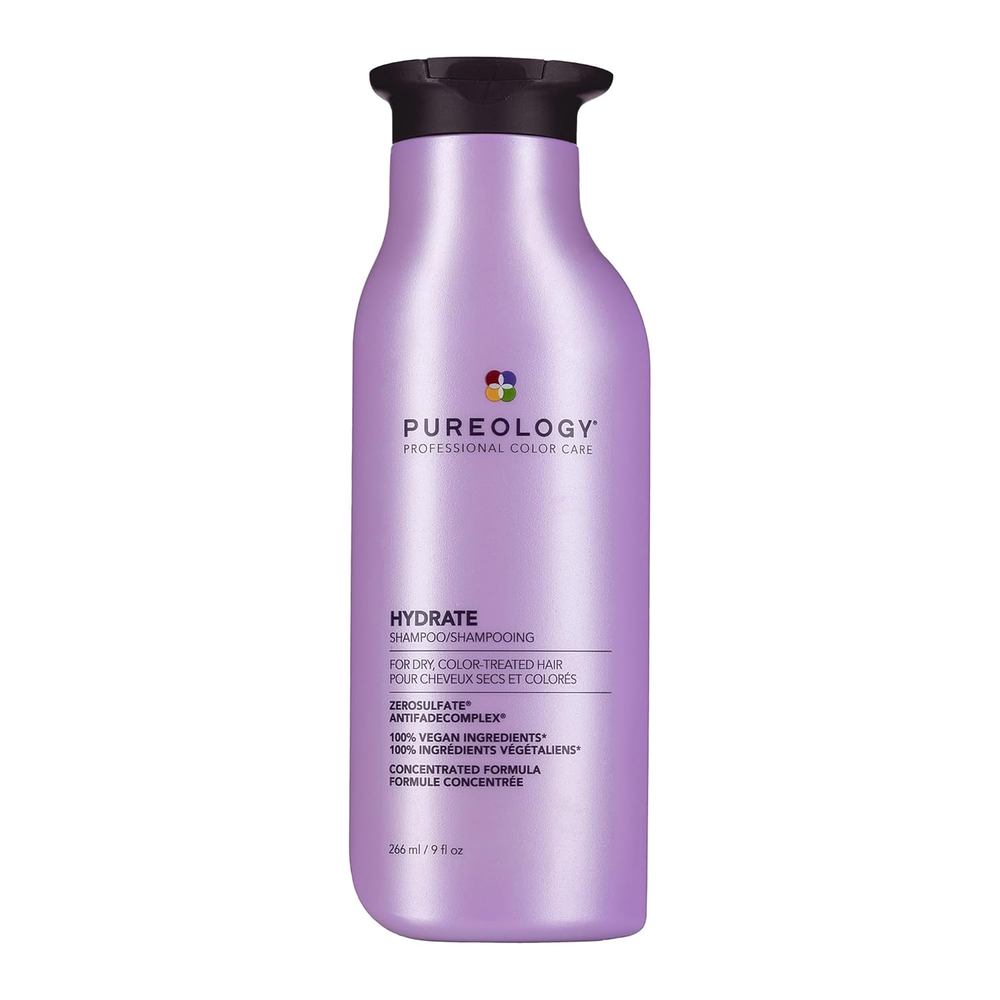
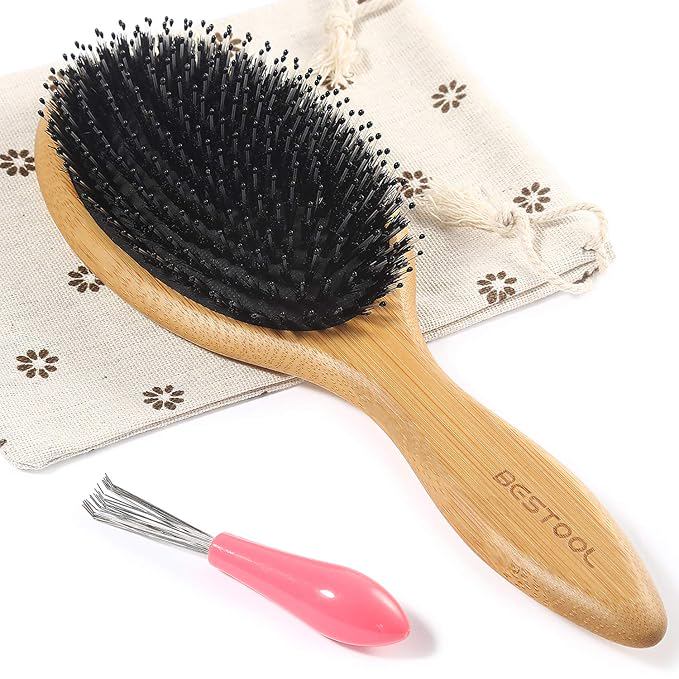
The catagen phase is sensitive to irritation. Harsh shampoos, chemical relaxers, and excessive heat styling can trigger an early exit from the growth cycle. Switch to sulfate-free, pH-balanced cleansers that do not strip natural oils. Between washes, a gentle scalp massage with a natural oil such as sesame or jojoba can stimulate blood flow and ease tension. Avoid tight hairstyles that pull on the roots, as traction can also disrupt follicle anchoring.
Hydrate from within
Internal hydration supports the moisture content of hair fibers and the health of the follicle bed. Drinking adequate water throughout the day—generally around eight glasses—helps maintain the scalp’s natural barrier. Pair this with foods rich in biotin, zinc, and protein, such as eggs, nuts, and leafy greens, to give your follicles the building blocks they need during transition.
Simple weekly catagen care routine
- Pre-wash treatment: Warm 1–2 tablespoons of sesame oil and apply to your scalp. Let it sit for 30 minutes before shampooing.
- Gentle cleanse: Use a mild, sulfate-free shampoo. Avoid hot water—opt for lukewarm to prevent stripping oils.
- Cool rinse: Finish with a cool water rinse to seal the hair cuticle and soothe the scalp.
- Protect from heat: Air-dry whenever possible. If using a blow-dryer, keep it on a low setting and hold it at least six inches away.
Protecting the catagen phase does not require elaborate rituals. By choosing nurturing ingredients, shielding your hair from environmental stressors, and maintaining consistent, gentle care, you give each follicle the best chance to complete its transition—and the next growth cycle a strong foundation. Small steps, applied regularly, can help your hair look and feel its healthiest over time.