
Winter arrives with shorter days, colder weather, and often a quiet sense of heaviness. For many, this shows up as a desire to hibernate, a dip in energy, or a pervasive feeling of gloom. It’s easy to label this as the “winter blues” and assume that a little extra sleep, a few more cups of hot chocolate, or a strong push to “stay positive” will fix it. But when the feeling lingers and deepens into something more persistent, this common approach can actually backfire.
The mistake most people make when trying to manage existential dread on their own is mistaking seasonal affective disorder (SAD) for simple laziness or a bad mood. They treat a genuine biological condition as a character flaw, piling on self-criticism and willpower-based fixes that ignore the root cause. Understanding what is actually happening in your body is the first and most crucial step toward feeling better.
What is Seasonal Affective Disorder, Really?
Seasonal affective disorder is not just a case of the winter blues. It is a recurrent type of depression that follows a seasonal pattern, most often beginning and ending in the fall and winter months. The symptoms are real and measurable, not a sign of weakness. They include depression, anxiety, mood swings, significant sleep changes (either sleeping too much or too little), lethargy, overeating (especially craving carbohydrates), social withdrawal, and even a loss of libido.
What drives these changes? A combination of factors tied to reduced daylight. Less sunlight can disrupt your body’s internal biological clock (your circadian rhythm). It can also cause a drop in serotonin, the brain chemical that helps regulate mood, and alter melatonin levels, which guide your sleep-wake cycle. This is a physiological response, not a lazy decision.
The Problem with “Just Try Harder”
When you don’t recognize SAD as a biological condition, it’s easy to fall into a cycle of self-blame. You might tell yourself to snap out of it, force a smile, or power through the day with sheer grit. While a positive attitude can be helpful in general, it is not a treatment for a condition that involves disrupted brain chemistry and circadian rhythm.
Relying solely on willpower often leads to feelings of failure and shame when the gloom doesn’t lift. This can make the underlying depression worse. The real fix isn’t about trying harder; it’s about using strategies that directly counteract the biological changes of winter.
Effective Ways to Beat the Gloom This Winter
Once you understand that SAD has a physical root, you can choose remedies that actually work with your biology, not against it. Here are some of the most effective, evidence-informed approaches.
Soak in Morning Sunlight
Light exposure is the single most powerful tool. The goal is to get natural sunlight into your eyes early in the morning. A 30-minute walk outside after waking up is ideal. On dark, cloudy days, or if you wake up before sunrise, a light therapy box that emits 10,000 lux of cool-white fluorescent light can be a strong substitute. The key is consistency: daily exposure, usually within the first hour of waking, helps reset your circadian rhythm and boost serotonin.
Move Your Body, but Keep It Gentle
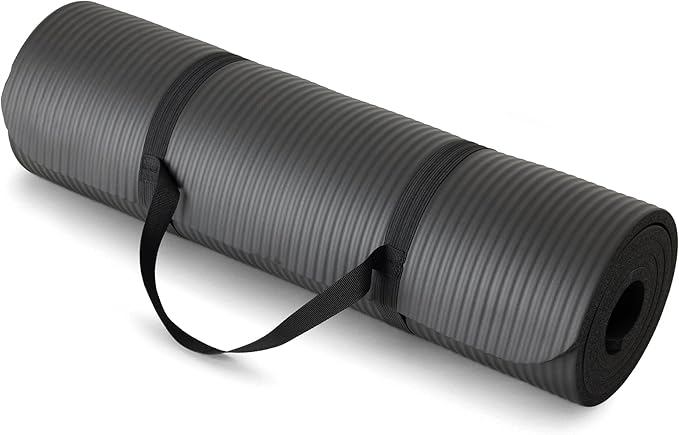
Exercise is a proven mood elevator and a natural antidepressant. You don’t need a punishing workout. A gentle half-hour of yoga, a brisk walk, or a light jog can increase endorphins and help regulate sleep and appetite. The goal is to build a sustainable routine, not to achieve peak fitness. Movement is medicine for the winter brain.
Feed Your Brain with a Healthy Diet
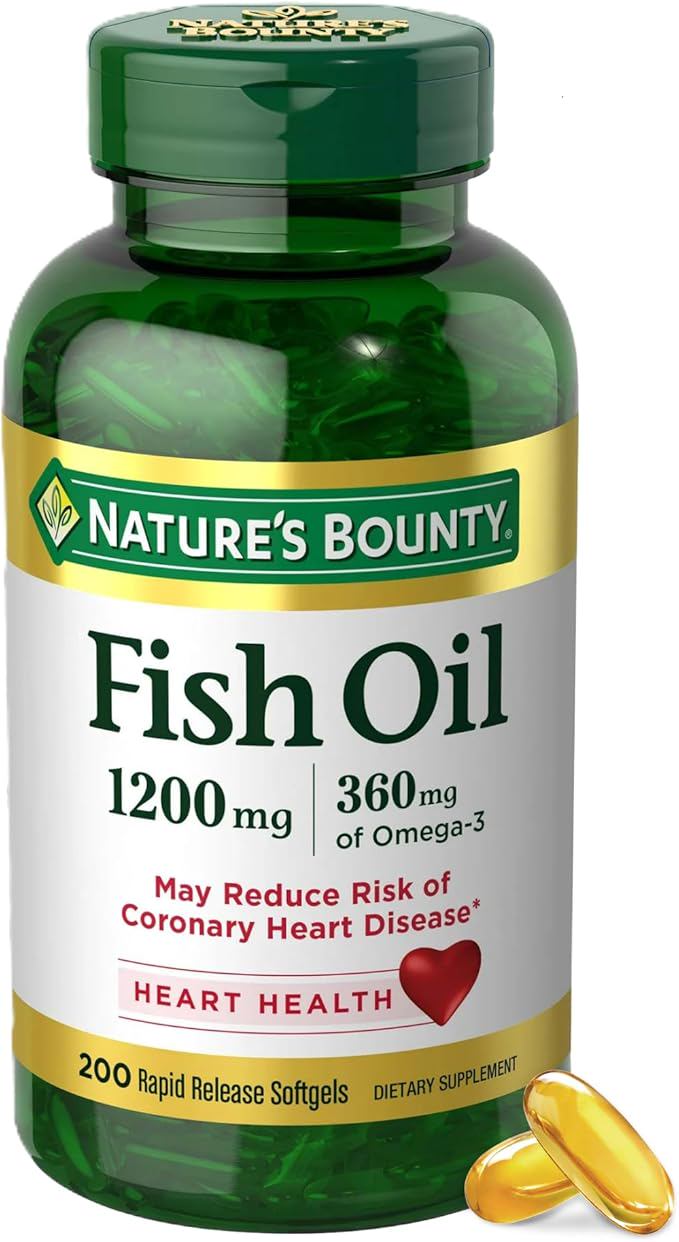
When you’re feeling low and tired, it is tempting to reach for comfort food. But a diet high in simple carbs and sugar can lead to energy crashes that worsen mood swings. Focus instead on whole foods: lean proteins, complex carbohydrates (like oats and quinoa), healthy fats, and plenty of vegetables. Staying hydrated is also crucial—even mild dehydration can affect your mood and energy levels.
Practice Meditation for Stress Relief
Meditation helps quiet the anxious mind and can be particularly effective for managing the anxiety component of SAD. Research from institutions like the Harvard Health Blog indicates that regular meditation can improve symptoms of depression and anxiety. You don’t need to sit for an hour; even a 10-minute session each day can create a noticeable sense of calm and emotional balance.
When to Call for Backup
Here is the most important part of the puzzle: if your symptoms are severe—if you are unable to get out of bed, feeling hopeless, or having thoughts of self-harm—it is time to stop managing on your own. SAD is a medical condition, and it often responds well to professional treatment, which can include cognitive behavioral therapy, medication, or light therapy under a doctor’s guidance.
Treating your mental health with the same seriousness as a physical ailment is not a sign of defeat. It is the most responsible and compassionate thing you can do for yourself. If a fever or infection would send you to a doctor, then persistent winter depression should, too.
Remember, the winter blues are seasonal. With the right understanding and the right tools, you can navigate this season and emerge feeling like yourself again. Validation and professional help are the real antidotes to existential dread—not just gritting your teeth and hoping it passes.