When stress becomes a constant companion, your body's cortisol levels can stay elevated longer than they should. While cortisol is essential for managing acute threats, a chronically high level can disrupt sleep, increase cravings, and heighten feelings of anxiety. The food you eat each day plays a supporting role in this system—certain nutrients can help calm the stress response rather than fuel it.
These six foods are backed by research for their potential to lower cortisol, support the nervous system, and create a biochemical environment that is more resistant to anxiety. None of them are a cure, but they are practical, science-informed additions to a stress-management routine.
1. Dark leafy greens: magnesium for the nervous system
Spinach, Swiss chard, kale, and collard greens are among the most concentrated food sources of magnesium. This mineral is directly involved in regulating the hypothalamic-pituitary-adrenal (HPA) axis, the central stress-response system. Magnesium deficiency is common in people with chronic stress, and low levels are associated with higher cortisol output.
Including a serving of cooked greens at lunch or dinner—about one cup—can help replenish magnesium stores. The effect is subtle but cumulative; consistent intake helps the nervous system shift from a state of high alert toward a more balanced baseline.
Quick tip: Sauté greens with garlic and olive oil instead of boiling them. This preserves more magnesium and makes the greens more palatable if bitterness is an issue.
2. Fatty fish: omega-3s that buffer stress hormones
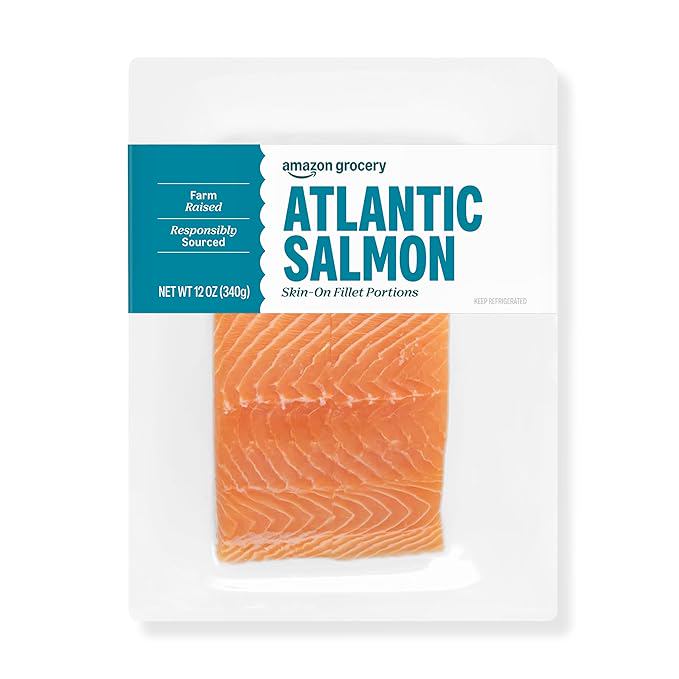
Salmon, mackerel, sardines, and anchovies are rich in EPA and DHA, the long-chain omega-3 fatty acids. These fats have a direct anti-inflammatory effect on the brain and have been shown to blunt the cortisol response to psychological stress. A 2021 meta-analysis of randomized trials found that omega-3 supplementation significantly reduced cortisol levels, particularly in people already under high stress.
Eating two servings of fatty fish per week provides enough EPA and DHA to influence the stress response. For those who don't eat fish, algae-based omega-3 supplements are a viable alternative, though whole fish offers additional nutrients like vitamin D and selenium that also support mood regulation.
3. Dark chocolate: flavanols that calm the mind
Dark chocolate with at least 70 percent cocoa content contains high levels of flavanols, antioxidants that improve blood flow to the brain and help regulate cortisol. A small human trial showed that consuming 40 grams of dark chocolate daily for two weeks significantly reduced urinary cortisol levels in participants with moderate anxiety.
The key is quality and moderation. Choose chocolate with minimal added sugar and stick to about one ounce per day—roughly two small squares. Milk chocolate and highly processed candy bars do not provide the same flavanol concentration and often add sugar, which can exacerbate cortisol spikes.
4. Fermented foods: gut-brain axis support
Kimchi, sauerkraut, yogurt, kefir, and miso contain live probiotics that influence the gut microbiome. The gut and brain communicate directly through the vagus nerve, and a healthy microbiome produces neurotransmitters like GABA that have a calming effect. Animal studies suggest that probiotic-rich diets can lower cortisol and reduce anxiety-like behaviors, and emerging human research points in the same direction.
Including one serving of fermented food per day—a half-cup of kimchi, a small bowl of plain yogurt, or a glass of kefir—can support this connection. Look for products that are unpasteurized after fermentation and contain active cultures.
5. Berries: vitamin C and antioxidant protection
Blueberries, strawberries, raspberries, and blackberries are excellent sources of vitamin C and polyphenols. Vitamin C is a cofactor for the synthesis of cortisol, but paradoxically, adequate intake also appears to limit excessive cortisol release under stress. A small study of medical students found that those supplemented with vitamin C had a lower cortisol response and reduced blood pressure during exams compared to a placebo group.
Berries also contain anthocyanins, which protect neurons from oxidative damage caused by chronic stress. A daily serving of mixed berries—fresh or frozen—is an easy way to get these benefits without significant calories or sugar.
6. Avocados: healthy fats and B vitamins
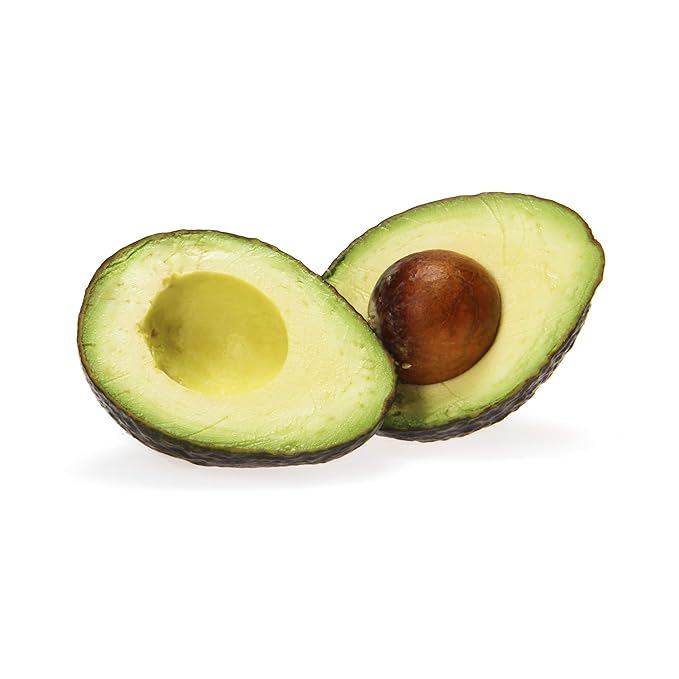
Avocados deliver monounsaturated fats and a range of B vitamins, including B5 (pantothenic acid) and B6. These vitamins are essential for proper adrenal function and the synthesis of neurotransmitters like serotonin and dopamine, which influence mood. B6 deficiency has been linked to elevated stress hormones, and avocado provides a substantial amount per serving.
Half an avocado contains roughly 10 grams of healthy fat and about 20 percent of the daily value for B6. Adding it to salads, grain bowls, or smoothies provides a creamy texture and a steady supply of nutrients that support cortisol regulation.
How to weave these foods into a stress-supporting diet
These foods work best when they replace or crowd out processed items, refined sugars, and excessive caffeine, all of which can amplify cortisol. A simple approach: aim for one or two of these foods at each meal. A breakfast bowl with plain yogurt and berries. A lunch salad with greens and smoked salmon. A dinner plate that includes sautéed kale alongside grilled mackerel. Dark chocolate or a few squares as an afternoon snack.
There is no single cortisol-lowering food, and dietary changes alone cannot resolve clinical anxiety or chronic stress disorders. But consistent intake of these nutrient-dense foods supports the physiological foundation that helps the body recover from stress more efficiently. Pair them with adequate sleep, regular movement, and stress-reduction practices for the best results.