
You've probably heard that food affects how you feel, but the connection between a single meal and a whole afternoon of low-grade anxiety might be tighter than you think. What you eat at lunch—specifically, the balance of protein, fat, and carbohydrates—can either set you up for a steady, calm afternoon or send you on a blood sugar roller coaster that leaves you irritable, restless, and prone to worry.
The good news is that you don't need a complicated meal plan or a pantry full of supplements. One straightforward lunch swap, repeated consistently, can help smooth out those energy dips and quiet the mental chatter that tends to flare up after eating. Here's what the research suggests and how to make the change without overthinking it.
Why your lunch might be fueling afternoon anxiety
Blood sugar instability is one of the most overlooked drivers of chronic worry and mood swings. When you eat a meal that's heavy in refined carbohydrates—think a white-flour wrap, a sugary dressing, or a bag of pretzels—your body digests it quickly, sending a surge of glucose into your bloodstream. Your pancreas responds by releasing insulin to bring that glucose down. In many people, this spike-and-crash cycle triggers the release of stress hormones like cortisol and adrenaline.
That hormonal cascade can feel like a sudden onset of anxiety: your heart might beat a little faster, your thoughts might race, and you may feel a vague sense of unease or tension. For someone already prone to chronic worry, this physiological reaction can become a daily re-trigger. The lunch that seems harmless is actually feeding the cycle.
The swap that changes the trajectory
The most effective single shift is this: replace a carbohydrate-dominated lunch with a protein-and-fiber-forward meal. Instead of a sandwich on white bread with a small side of chips, consider a bowl built around a protein source (chicken, tofu, beans, or fish), plenty of non-starchy vegetables, and a moderate amount of whole-food carbohydrates like quinoa, lentils, or sweet potato. The protein and fiber slow down digestion, which prevents the rapid glucose spike and keeps your blood sugar steady for hours.
A simple rule of thumb: make sure your lunch plate has at least one fist-sized portion of protein, two handfuls of vegetables, and a thumb-sized portion of healthy fat like avocado, nuts, or olive oil.
This isn't about cutting out carbs entirely. It's about changing the order of priority. When protein and fiber come first, the carbohydrates you do eat are absorbed more gradually. Your brain receives a steady supply of fuel rather than a sudden flood followed by a drought. Over time, this can reduce the frequency and intensity of anxious episodes that feel like they come out of nowhere.
The food-mood connection has real science behind it
Research in nutritional psychiatry consistently points to the role of steady glucose metabolism in supporting mental health. A 2020 study in the journal Psychosomatic Medicine found that adults with higher dietary glycemic variability—that is, bigger blood sugar swings—reported greater symptoms of anxiety and depression. And a growing body of work from the field of metabolic psychiatry suggests that dietary interventions aimed at stabilizing blood sugar can be as effective as some standard treatments for moderate anxiety and low mood.
One of the most practical takeaways from this research is that you don't need an entire diet overhaul to see a difference. Replacing one daily meal—especially lunch, which sets the tone for the afternoon and evening—can produce noticeable changes in energy level, emotional stability, and the tendency to ruminate on stressful thoughts.
What a practical swap looks like in real life
Let's compare two lunches: one that tends to destabilize mood, and one that supports it. You'll notice the swap doesn't require expensive ingredients or hours of prep.
- Before (the anxiety trigger): A turkey-and-cheese sandwich on white bread with a small bag of pretzels and a sports drink. This meal is low in fiber, low in protein relative to carbs, and high in fast-digesting sugars.
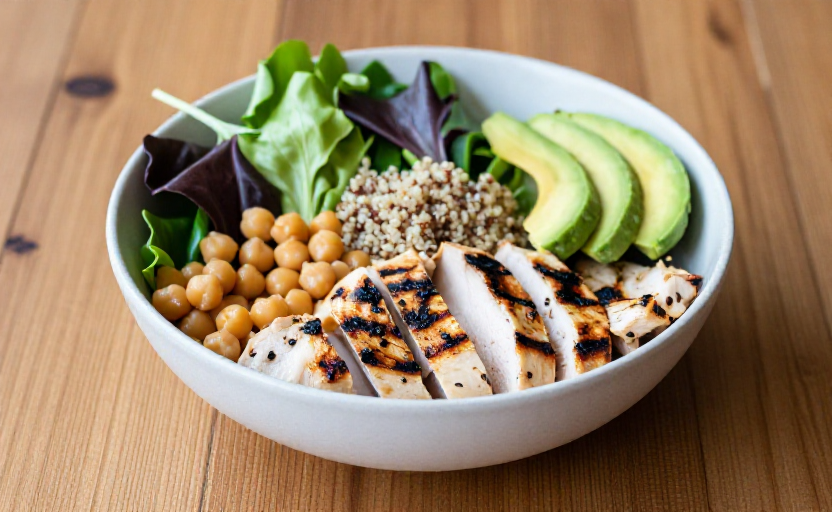
- After (the mood stabilizer): A large salad with grilled chicken, mixed greens, bell peppers, cucumber, chickpeas, a quarter of an avocado, and a simple vinaigrette. If you need something heartier, add half a cup of quinoa or a small sweet potato.
The second option has roughly the same number of calories, but the protein, fat, and fiber content are significantly higher. It will keep your blood sugar level for three to four hours, rather than crashing after 60 to 90 minutes.
How to make this sustainable
A single swap only works if you can actually stick with it. Here are a few ways to lower the barrier:
- Prep the protein. Cook a batch of chicken thighs, hard-boiled eggs, or marinated tofu at the start of the week. Having protein ready to go makes the swap automatic.
- Keep a bag of frozen vegetables. When you're short on time, microwave a mix of broccoli, cauliflower, and bell peppers. Add to your protein and a quick sauce (tahini, olive oil and lemon, or a low-sugar dressing).
- Don't let perfection get in the way. A lunch that is 70 percent better than your old default is still a huge win. If some days you can only manage a protein shake with a handful of spinach, that's fine. Consistency over perfection matters more.
If you find yourself feeling shaky, irritable, or mentally foggy in the hours after lunch, that's not a character flaw—it's a physiological signal. The brain runs on glucose, and when that supply is erratic, the emotional system pays the price. Changing what you eat at midday is one of the most direct, actionable levers you have for quieting chronic worry.