
When you are navigating a toxic relationship, every choice can feel heavier — including what you eat late at night. A new perspective in relationship wellness suggests that a specific type of snack, often reached for during stress, may actually amplify emotional turmoil rather than soothe it. The connection between diet and emotional health is well established, but the timing and context of what we consume can matter just as much as the nutrients themselves.
Reaching for comfort food after a tense evening might seem like a small, harmless act. However, certain foods can influence blood sugar, inflammation, and neurotransmitter activity in ways that heighten anxiety, irritability, and feelings of helplessness — emotions already magnified in an unhealthy partnership. Understanding this link can be a quiet but powerful step toward regaining emotional stability.
What makes a late-night snack problematic in this context?
Not all snacks are equal when it comes to emotional regulation. Foods high in refined sugar, simple carbohydrates, and unhealthy fats can cause rapid spikes and crashes in blood sugar. These fluctuations are known to trigger symptoms that mimic or worsen anxiety: shakiness, irritability, brain fog, and even sudden tears.
In a toxic relationship, where emotional highs and lows are already part of the dynamic, adding a blood sugar roller coaster at night can intensify feelings of instability. The crash may come exactly when you need clarity or calm — perhaps after a difficult conversation or before an uneasy sleep. Over time, this pattern can contribute to poorer stress resilience and a lower sense of emotional control.
Can a specific food type worsen emotional turmoil?
While all processed sugary snacks carry risk, the snack most often linked to worsening emotional distress in stressed individuals is one that combines high sugar with minimal protein or fiber: think packaged cookies, candy bars, sugary cereal, or even a large bowl of sweetened fruit yogurt. These foods digest quickly, flood the bloodstream with glucose, and prompt a surge of insulin that can lead to a reactive low-blood-sugar episode a few hours later.
For someone in a toxic relationship, this cycle can manifest as late-night agitation, difficulty sleeping, or waking up feeling emotionally raw — which then colors the next day's interactions. The emotional carryover from a poor food choice can make it harder to maintain boundaries or communicate clearly.
How food choices interact with relationship stress
The brain and gut are deeply connected through the vagus nerve and the gut-brain axis. Stress already alters digestion and gut microbiome composition, which can influence mood-regulating neurotransmitters like serotonin. About 90 percent of serotonin receptors are located in the gut.
Eating a highly processed, sugar-laden snack late at night, when the body is already winding down, can disrupt this delicate system. It may promote gut inflammation, which has been linked to depressive symptoms. In a toxic relationship, where chronic stress is common, this inflammatory response can add a physiological layer to emotional suffering. Conversely, foods that support steady blood sugar and gut health — such as those rich in fiber, protein, and healthy fats — may help buffer emotional reactivity.
Mindful evening eating as a form of self-protection
Choosing what you eat late at night is a small act of self-care that can have real emotional consequences when you are already under relational strain.
While no food will fix a toxic relationship, becoming intentional about late-night snacks can help you feel more grounded. The goal is not perfection but awareness: noticing when you reach for something sugary out of emotional habit rather than hunger, and pausing to consider alternatives that support calm rather than chaos.
Practical shifts to consider
If you recognize yourself in this pattern, you do not need to overhaul your entire diet overnight. Small, consistent adjustments can make a meaningful difference in how you feel emotionally and physically.
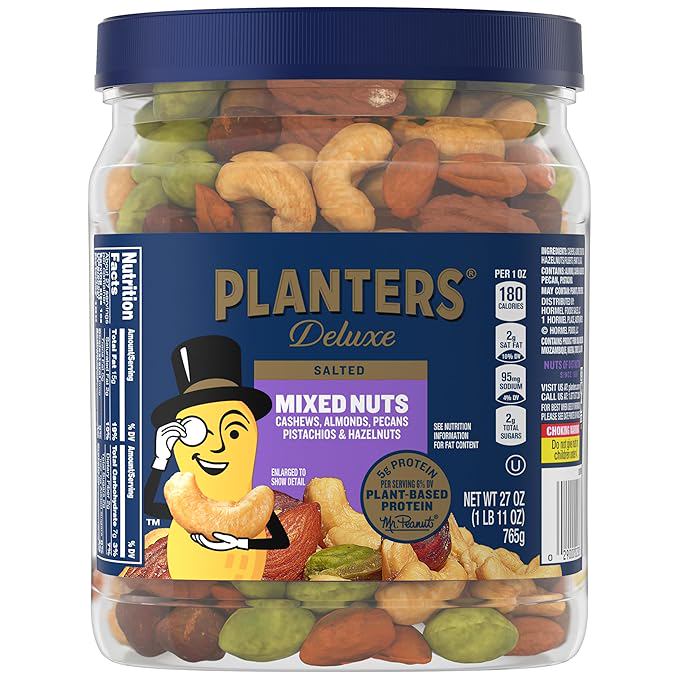
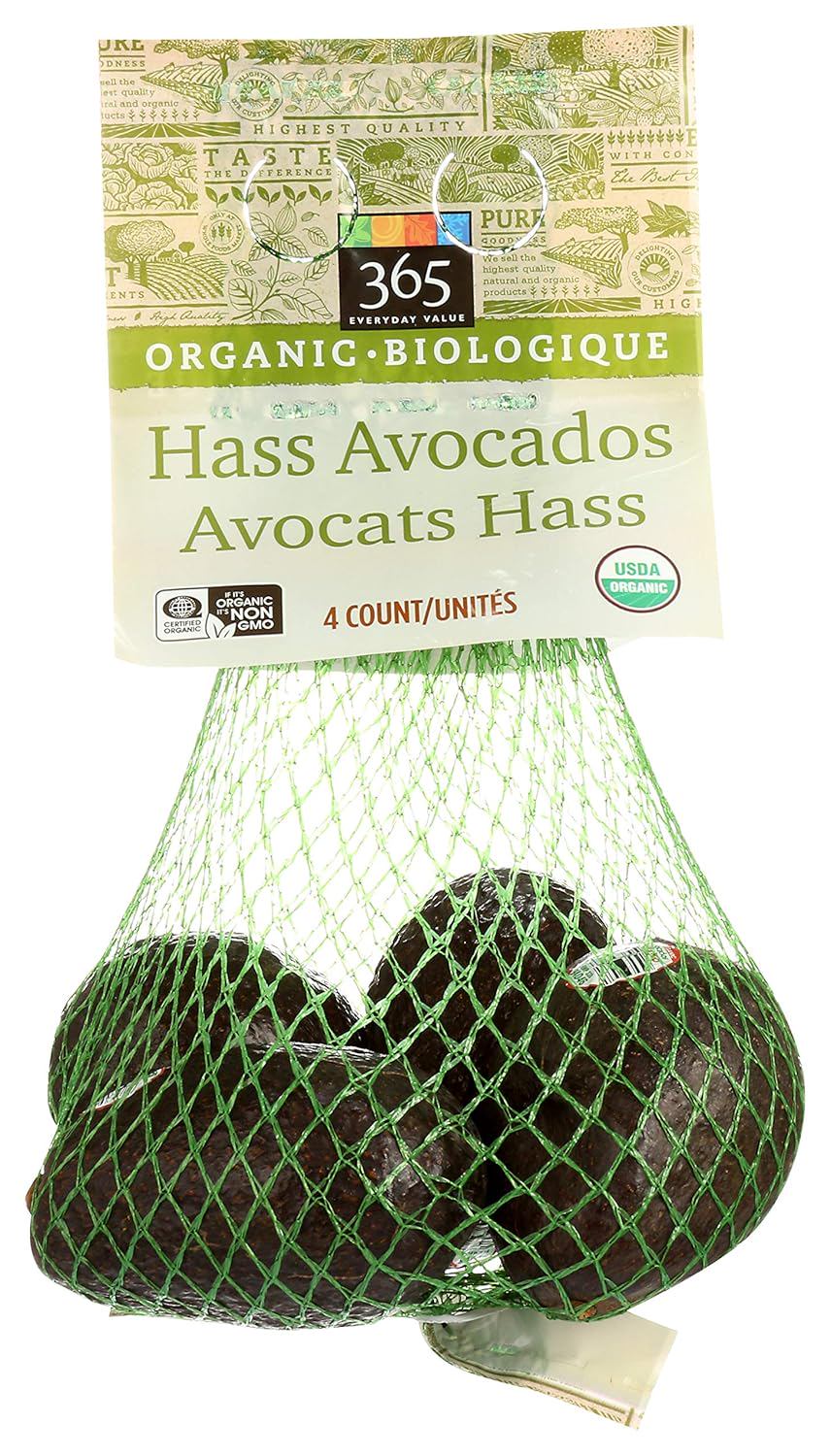
- Swap the sugar for protein and fat. A small handful of almonds, a boiled egg, or a few slices of avocado can stabilize blood sugar through the night.
- Add a fiber-rich element. Vegetables, berries, or a tablespoon of chia seeds can slow digestion and prevent midnight glucose crashes.
- Stay hydrated. Thirst is often mistaken for hunger or anxiety. A glass of water before reaching for a snack can change your perspective.
- Create a wind-down ritual. Replace the habit of snacking while scrolling or ruminating with a short walk, gentle stretching, or writing down one thing you are grateful for.
These choices are not a substitute for professional support or leaving an unhealthy relationship, but they can fortify your nervous system during a difficult time. When you care for your body's chemistry, you give your mind a steadier foundation from which to make larger, harder decisions.
Ultimately, the late-night snack is not the cause of emotional turmoil in a toxic relationship — but it can be an accelerant. Recognizing this link allows you to reclaim one small area of control. Over time, that sense of agency can spread into other parts of your life, supporting clearer thinking and stronger boundaries.