If you're navigating life with hypothyroidism, you know the fatigue, weight changes, and brain fog aren't just in your head. While medication is the cornerstone of treatment, what you eat plays a supporting role that can make a tangible difference in how you feel. The goal isn't a restrictive diet, but a thoughtful pattern of eating that supports your thyroid function and overall well-being.
Think of food as one piece of your care team. Certain nutrients are essential for your thyroid gland to produce hormones and for your body to convert them into their active form. Other foods, in large amounts, can interfere with this delicate process. This guide focuses on the practical, everyday choices that can help you build a plate that works for you.
Foods to Emphasize for Thyroid Support
Your thyroid gland needs specific building blocks to do its job. Incorporating these foods ensures it has the raw materials it requires.
1. Iodine-Rich Foods
Iodine is the fundamental element used to synthesize thyroid hormones. Without adequate iodine, production falters. In many parts of the world, iodized salt has made severe deficiency rare, but it's still a nutrient to be mindful of.
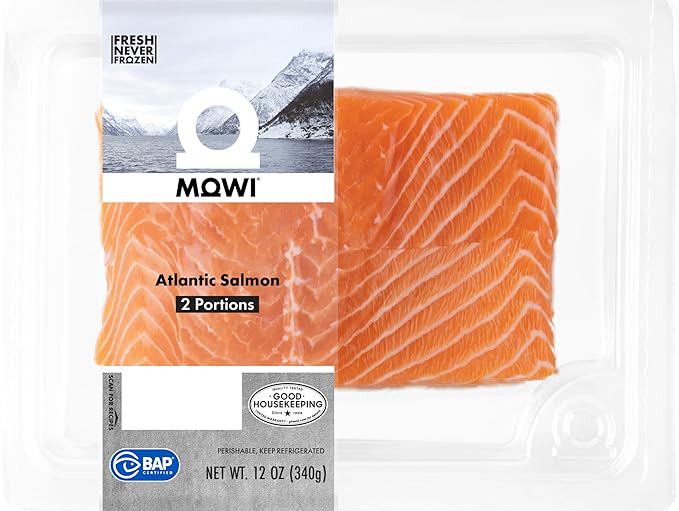
Good sources include: seaweed, iodized table salt, fish (like cod and tuna), dairy products, and eggs. A little goes a long way; the recommended daily intake for adults is 150 micrograms—about half a teaspoon of iodized salt. It's generally best to get iodine from food rather than supplements, unless your doctor advises otherwise, as too much can also be problematic.
2. Selenium-Packed Choices
Selenium is a mineral that acts as an antioxidant and is crucial for converting the inactive thyroid hormone (T4) into the active form (T3) your cells can use. The thyroid tissue has the highest concentration of selenium in the body.
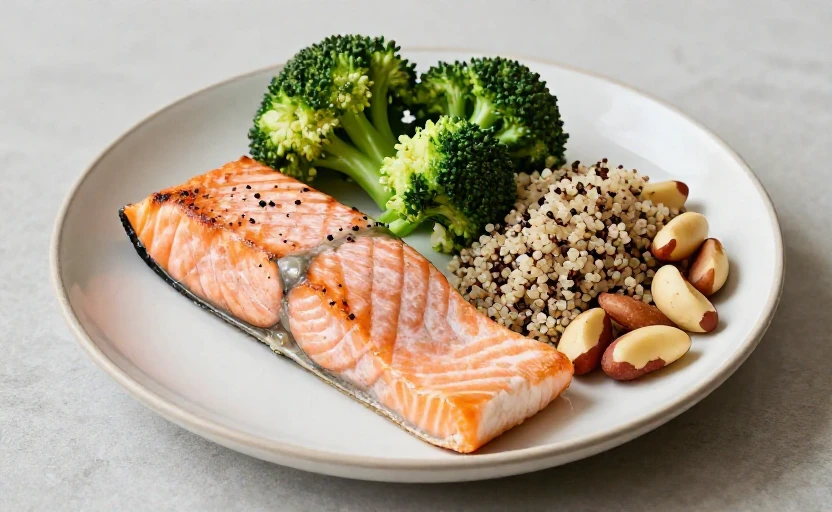
You can find selenium in Brazil nuts, tuna, sardines, eggs, and legumes. Just one or two Brazil nuts a day can meet your selenium needs. Because it's possible to get too much, sticking to food sources is a safe and effective approach.
3. Zinc Sources
Like selenium, zinc helps in the conversion of T4 to T3. It also supports immune function, which can be relevant for those with autoimmune thyroiditis (Hashimoto's), the most common cause of hypothyroidism.
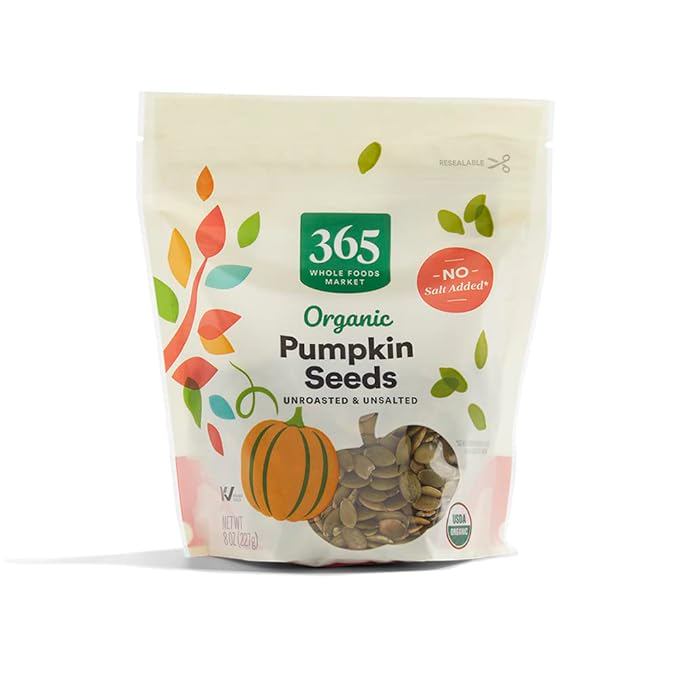
Include oysters, beef, crab, pumpkin seeds, and lentils in your rotation. If you eat a varied diet, you likely get enough zinc, but it's a nutrient worth paying attention to, especially if your appetite has been low.
4. Iron from Varied Sources
Iron deficiency can impair thyroid hormone production. Fatigue is a symptom of both low iron and hypothyroidism, so ensuring adequate intake is key. There are two types of dietary iron: heme (from animal sources) and non-heme (from plants).
Heme iron, found in red meat, poultry, and fish, is more easily absorbed. Non-heme iron is present in spinach, lentils, beans, and fortified cereals. Pairing non-heme iron sources with vitamin C (like bell peppers or citrus) can significantly boost absorption.
5. General Anti-Inflammatory Foods
Chronic, low-grade inflammation can disrupt hormonal signaling. An anti-inflammatory eating pattern—rich in colorful fruits, vegetables, healthy fats, and whole grains—supports overall metabolic health and may help modulate the immune response.
Focus on filling your plate with berries, leafy greens, tomatoes, fatty fish, nuts, and olive oil. This approach isn't about one magic food, but about creating a dietary environment where your body, and your thyroid, can function more smoothly.
Foods to Be Mindful Of
Some foods contain compounds called goitrogens, which can interfere with thyroid hormone production when consumed in very large, raw, and consistent amounts. For most people on medication and with a balanced diet, these foods are not a concern and offer many health benefits. The key is moderation and preparation.
1. Cruciferous Vegetables (When Consumed Raw in Excess)
This category includes broccoli, cauliflower, kale, cabbage, and Brussels sprouts. They are nutritional powerhouses packed with fiber and vitamins. The goitrogenic effect is primarily a concern only if you're eating extremely large quantities of the raw vegetables daily while also having an iodine deficiency.
Cooking significantly reduces goitrogenic activity. Enjoy these vegetables steamed, roasted, or sautéed as part of a varied diet.
2. Soy Products
Soy, such as in tofu, edamame, and soy milk, contains isoflavones. Some studies suggest very high intakes might interfere with thyroid hormone absorption. The evidence is mixed and seems most relevant for those with existing iodine deficiency or who consume soy in unusually large amounts.
If you enjoy soy, it's reasonable to consume it in moderate amounts as part of a balanced diet. A practical tip is to avoid taking your thyroid medication at the same time as a soy-heavy meal; space them by a few hours.
3. Highly Processed Foods
This is less about a specific thyroid-interfering compound and more about overall health. Ultra-processed foods are often high in unhealthy fats, sodium, and sugar while being low in the supportive nutrients your thyroid needs. They can also contribute to weight gain and inflammation, which may exacerbate hypothyroidism symptoms.
Limiting items like sugary snacks, fried foods, processed meats, and refined carbohydrates (white bread, pastries) helps manage energy levels and supports a healthy weight.
4. Excessive Fiber Around Medication Time
Fiber is essential for digestive health, but a very high-fiber meal or supplement taken at the same time as your thyroid medication can potentially reduce its absorption. This doesn't mean you should avoid fiber—far from it. Just be mindful of timing.
Take your thyroid medication on an empty stomach with water, and wait 30-60 minutes before eating a high-fiber breakfast or taking fiber supplements.
5. Certain Supplements and Minerals in Large Doses
High doses of calcium and iron supplements can hinder the absorption of thyroid hormone medication. If you take these supplements, it's best to take them at least four hours apart from your thyroid pill. As always, discuss any supplements with your healthcare provider.
Putting It All Together
The foundation of a thyroid-supportive diet is consistency and balance. Take your medication as prescribed, on an empty stomach. Build your meals around whole foods—lean proteins, colorful vegetables, whole grains, and healthy fats. Stay hydrated. Listen to your body; notice how different foods make you feel.
Remember, dietary changes are meant to support, not replace, your medical treatment. Keep your doctor informed about your diet, and have your thyroid levels checked regularly to ensure your medication dosage remains optimal. With a mindful approach to food, you can take an active, empowering role in managing your hypothyroidism and nurturing your overall health.