If you’re navigating a hyperthyroidism diagnosis, you’ve likely heard that what you eat can influence how you feel. While food is not a cure, and medical treatment is essential, certain dietary choices can support your body’s balance and help manage some of the challenging symptoms—like rapid heartbeat, anxiety, weight loss, and fatigue. The goal isn’t a restrictive diet, but rather a thoughtful approach to nourishment that works alongside your doctor’s plan.
This approach focuses on providing steady energy, calming inflammation, and ensuring you get the nutrients your overactive thyroid might be depleting. It’s about leaning into foods that offer stability and being mindful of those that might add stress to a system already working in overdrive.
How Does Diet Affect Hyperthyroidism?
Hyperthyroidism, often caused by conditions like Graves’ disease, speeds up your metabolism. Your body burns through energy and nutrients at a faster rate. This can lead to unintended weight loss, muscle weakness, and nutrient deficiencies, even if you’re eating well. Furthermore, the autoimmune activity in Graves’ disease involves inflammation, which certain foods can either fuel or help soothe.
Diet plays a supportive role in three key ways: by helping to maintain a healthy weight and muscle mass, by providing anti-inflammatory compounds, and by ensuring adequate intake of vitamins and minerals that support overall health during treatment.
Think of your diet as a foundation for well-being, not a replacement for medication. Always discuss dietary changes with your healthcare provider, as your needs can shift with treatment.
5 Foods to Include in Your Hyperthyroidism Diet
These foods are chosen for their nutrient density, anti-inflammatory properties, or their ability to provide steady, calming energy to counter a revved-up metabolism.
1. Calcium-Rich Foods
Hyperthyroidism can interfere with calcium absorption and increase bone turnover, raising the risk of osteoporosis over time. Prioritizing calcium is crucial for long-term bone health.
- Dairy: Yogurt, milk, and cheese.
- Leafy Greens: Kale, collard greens, and bok choy.
- Fortified Foods: Some plant-based milks, tofu, and orange juice.
Aim to include a source at each meal. Pairing these with vitamin D sources (like eggs or fortified foods, and safe sun exposure) helps your body use the calcium effectively.
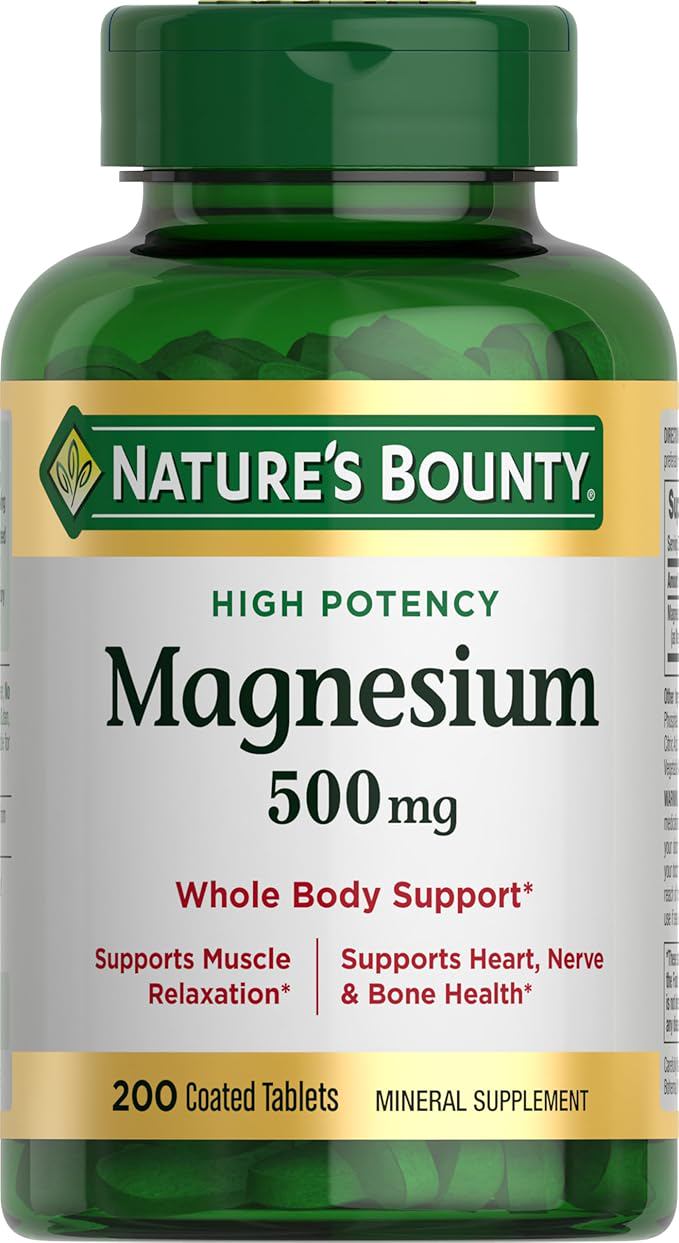
2. Foods High in Magnesium
Magnesium is a mineral that supports hundreds of biochemical reactions, including nerve function and muscle relaxation. Symptoms of magnesium deficiency—like muscle cramps, anxiety, and irregular heartbeat—can mirror or worsen hyperthyroid symptoms.
Excellent sources include:
- Almonds, cashews, and peanuts
- Black beans and edamame
- Spinach and avocado
- Whole grains like brown rice and quinoa
3. Antioxidant-Packed Fruits and Vegetables
The oxidative stress associated with an overactive thyroid can be mitigated by a colorful array of produce. These foods are rich in vitamins C and E, beta-carotene, and other antioxidants that help protect cells from damage.
Focus on berries, citrus fruits, bell peppers, tomatoes, and carrots. The fiber in these foods also supports steady digestion and blood sugar levels, which can be erratic with hyperthyroidism.
4. Healthy Fats for Sustained Energy
Since your body may be burning fuel rapidly, healthy fats provide a dense, slow-burning source of calories to help maintain weight and energy. They are also powerfully anti-inflammatory.
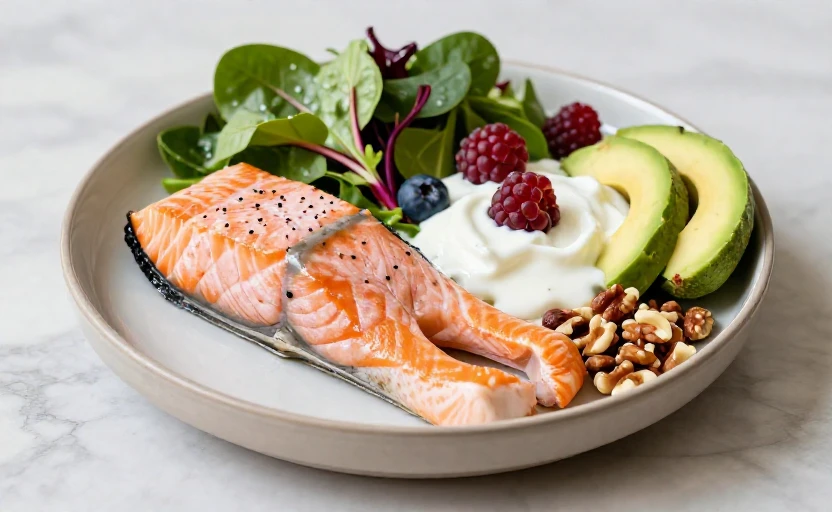
- Avocados and avocado oil
- Olive oil for dressing and low-heat cooking
- Fatty fish like salmon and sardines (also rich in vitamin D)
- Nuts and seeds, especially walnuts and flaxseeds
5. Lean Proteins for Muscle Support
Preventing muscle breakdown is a key concern. Including a source of lean protein with meals helps preserve muscle mass, promotes satiety, and provides the building blocks for repair.
Good options include poultry, fish, eggs, legumes, lentils, and tofu. If you struggle with a large appetite or rapid weight loss, having a protein-rich snack between meals can be helpful.
3 Foods and Substances to Be Mindful Of
These items don’t need to be universally eliminated, but being aware of their potential effects allows you to make informed choices, especially if you notice they correlate with symptom flares.
1. Excess Iodine
Iodine is the raw material your thyroid uses to make thyroid hormone. In hyperthyroidism, adding large amounts of iodine can be like adding fuel to a fire. This doesn’t mean you need to avoid iodized salt completely, but it’s wise to be cautious with concentrated sources.
Be mindful of:
- Seaweed (kelp, nori, wakame) and seaweed supplements
- Iodine-rich supplements or multivitamins
- Large amounts of iodine-fortified foods
Regular consumption of fish and dairy is generally fine, but discuss any concerns about iodine with your doctor, as needs vary greatly.
2. Stimulants: Caffeine and Refined Sugar
Your nervous system is already stimulated by excess thyroid hormone. Adding stimulants like caffeine can amplify feelings of anxiety, jitteriness, heart palpitations, and insomnia.
If you enjoy coffee or tea, try having one small cup in the morning rather than throughout the day, or switch to a partially decaffeinated version. Notice how you feel.
Similarly, refined sugars and simple carbs can cause rapid spikes and crashes in blood sugar, exacerbating energy swings and anxiety. Opt for whole fruits and complex carbohydrates instead.
3. Potential Goitrogens (For Some)
Goitrogens are compounds found in certain raw cruciferous vegetables (like broccoli, cauliflower, cabbage, kale, and Brussels sprouts) and soy that can interfere with thyroid hormone production. This is generally a concern only for those with an iodine deficiency or when consumed in extremely large, raw amounts.
For most people with hyperthyroidism, these nutritious foods are safe and beneficial. Cooking significantly reduces goitrogenic activity. If you have concerns, simply ensure these foods are cooked and enjoy them as part of a varied diet rather than in excessive daily quantities.
Putting It All Together: A Balanced Approach
The most supportive diet for hyperthyroidism is a balanced, nutrient-dense, anti-inflammatory way of eating. Focus on regular meals and snacks to provide constant fuel. A sample day might look like:
- Breakfast: Greek yogurt with berries and a sprinkle of almonds.
- Lunch: A large salad with grilled chicken, avocado, spinach, and an olive oil vinaigrette.
- Snack: An apple with a tablespoon of peanut butter.
- Dinner: Baked salmon with roasted sweet potatoes and steamed broccoli.
Hydration is also key, as a faster metabolism can increase fluid needs. Listen to your body, keep a simple food-and-symptom journal if you’re curious about triggers, and always prioritize working with your healthcare team to tailor any approach to your unique situation.