
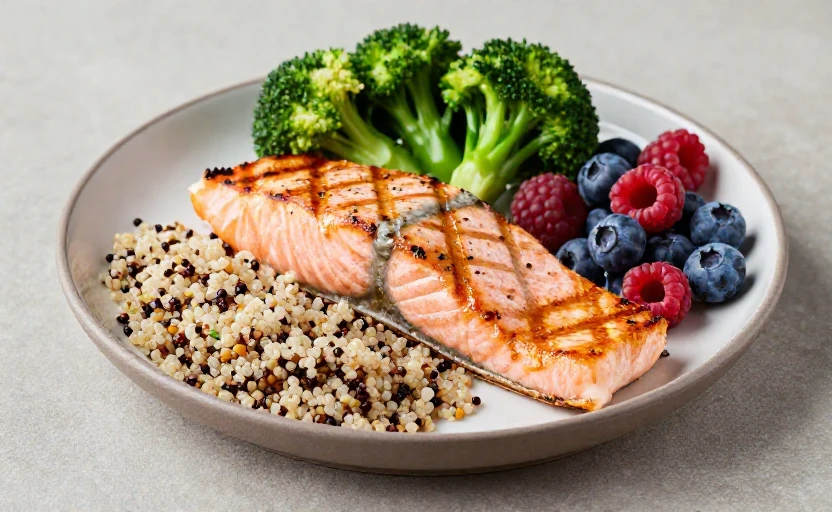
If you’re navigating life with Hashimoto’s thyroiditis, you’ve likely wondered about the role food plays in how you feel. While no single diet can cure this autoimmune condition, what you eat can significantly influence inflammation levels, energy, and overall well-being. The goal isn’t about strict deprivation, but about making mindful choices that support your body from the inside out.
Think of food as one piece of your management puzzle, alongside medication and lifestyle. The following guide focuses on foundational foods that may help calm the immune system and support thyroid function, along with those you might consider limiting. Always discuss dietary changes with your healthcare provider, as individual needs can vary widely.
What to Focus On: Nourishing Your Thyroid
Instead of a restrictive list of “good” and “bad,” consider building your plate around foods that provide dense nutrition and anti-inflammatory benefits. These choices help create a more resilient internal environment.
1. Colorful Fruits and Vegetables
A rainbow on your plate isn’t just visually appealing—it’s a sign you’re getting a wide range of antioxidants and phytonutrients. These compounds help combat oxidative stress, which is often elevated in autoimmune conditions. Berries, leafy greens, bell peppers, and sweet potatoes are excellent choices for their vitamin C, vitamin A, and fiber content.
Tip: Frozen vegetables and fruits retain their nutrients and can be a convenient, cost-effective way to increase your intake.
2. Quality Protein Sources
Protein provides the amino acids necessary for tissue repair and hormone production. For many with Hashimoto’s, incorporating lean, digestible proteins can help stabilize energy and support muscle mass. Options like eggs, poultry, fish, legumes, and lentils are versatile foundations for meals.
3. Omega-3 Rich Foods
Omega-3 fatty acids, particularly those found in fatty fish like salmon, mackerel, and sardines, are renowned for their anti-inflammatory properties. For plant-based sources, consider flaxseeds, chia seeds, and walnuts. Including these regularly can help modulate the immune response.
4. Fiber-Rich Complex Carbohydrates
Fiber supports gut health, a major area of focus in autoimmune management, and helps maintain steady blood sugar levels. Opt for whole, unprocessed sources like quinoa, oats, brown rice, and starchy vegetables. These provide sustained energy without the spikes and crashes that can exacerbate fatigue.
5. Selenium-Rich Foods
Selenium is a trace mineral crucial for the conversion of thyroid hormone (T4 to T3) and has antioxidant properties in the thyroid gland itself. Brazil nuts are a potent source—just one or two a day can meet your needs. Other sources include tuna, halibut, eggs, and sunflower seeds.
Foods You Might Consider Limiting
Some foods may potentially trigger inflammation or interfere with thyroid function in sensitive individuals. This doesn’t mean they are universally “off-limits,” but being aware of them allows you to observe your own body’s responses. An elimination trial, guided by a dietitian or doctor, can help identify personal triggers.
1. Highly Processed Foods and Added Sugars
Ultra-processed snacks, sugary drinks, and refined grains can drive systemic inflammation and disrupt gut health. They often lack nutritional value and can contribute to the weight fluctuations and energy slumps common in Hashimoto’s. Focusing on whole foods naturally reduces your intake of these.
2. Excess Goitrogens in Raw Form
Goitrogens are compounds found in cruciferous vegetables (like broccoli, kale, and cabbage) and soy that can interfere with thyroid hormone production when consumed in very large, raw amounts. Cooking significantly reduces these compounds. For most people eating moderate, cooked portions, these nutritious vegetables are beneficial. The concern is primarily with consuming extremely high quantities of raw kale juices or raw soy products daily.
3. Gluten and Dairy (For Some Individuals)
This is highly individual. Some people with Hashimoto’s report feeling better reducing or eliminating gluten and dairy, possibly due to cross-reactivity or underlying sensitivities that increase intestinal permeability (“leaky gut”). This is not a necessity for everyone. If you experience significant digestive distress, bloating, or brain fog, it may be worth exploring under professional guidance to see if it makes a difference for you.
Building a Sustainable Approach
The most effective diet is one you can maintain without constant stress. Start with small, additive changes—like adding one serving of vegetables to lunch or including fish twice a week. Keep a simple symptom journal to note how different foods make you feel. Remember, nutrition is a tool for support, not a replacement for your prescribed thyroid medication. Work with your healthcare team to create a plan that respects your body’s unique needs and helps you move toward a greater sense of vitality.