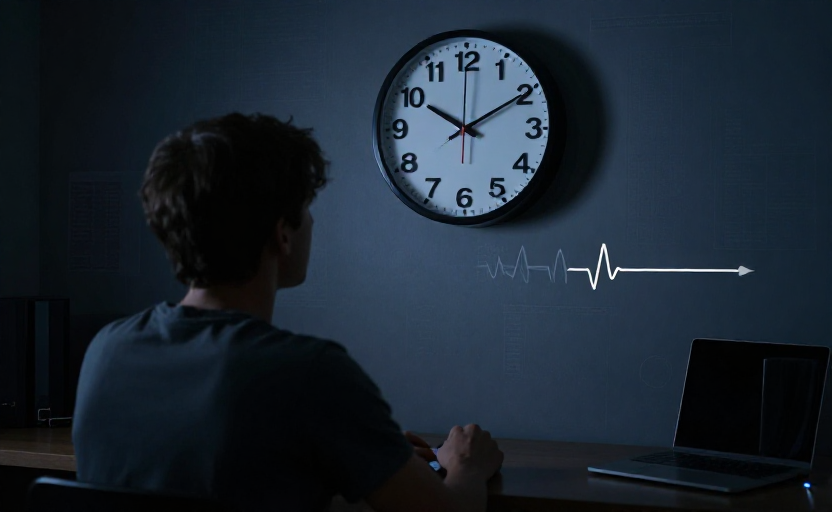
For many of us, the evening is a time to unwind, a chance to finally relax after a long day. We settle into routines that feel comforting, a signal to our bodies that the day is done. Yet, some of these seemingly harmless habits might be quietly working against our heart health, particularly when it comes to managing blood pressure. While we sleep, our bodies are meant to enter a state of repair and lower stress, including a natural dip in blood pressure known as 'nocturnal dipping.' Certain evening choices can disrupt this vital process, keeping pressure elevated through the night and adding strain to the cardiovascular system.
Understanding this connection isn't about fostering anxiety around every nightly choice, but about cultivating awareness. By identifying which common habits might be counterproductive, we can make gentle, informed shifts that support the body's natural rhythms. The goal is better rest for your heart, not a perfect regimen.
Why Nighttime Blood Pressure Matters
Blood pressure isn't a static number. It follows a natural rhythm, typically peaking in the mid-morning and reaching its lowest point during the deep, restorative phases of sleep. This overnight drop, usually by 10-20%, is a sign of a healthy cardiovascular system at rest. When this dip doesn't occur—a condition called 'non-dipping'—it's associated with a higher risk of heart events, stroke, and long-term organ damage.
Think of it as your heart and arteries finally getting a break from the constant pressure of the day. If that pressure remains high, the system doesn't get the repair time it needs. The evening hours set the stage for whether your body can successfully make this transition into a state of recovery.
Evening Habits That Can Keep Pressure Elevated
Several common pre-bedtime activities can interfere with relaxation, fluid balance, and nervous system regulation, all of which influence blood pressure overnight.
Late, Heavy Meals and Salty Snacks
Digesting a large meal requires energy and increases blood flow to the gut, which can keep your system active when it should be winding down. More specifically, consuming a lot of sodium in the evening is a direct culprit. Sodium causes the body to retain water to dilute the extra salt in the bloodstream. This increased fluid volume forces the heart to work harder and increases pressure against artery walls. That bag of chips or heavily processed dinner at 8 p.m. can have effects that last long into the night.
Tip: Aim to finish eating at least 2-3 hours before bed, and be mindful of hidden sodium in sauces, bread, and packaged foods.
Alcohol as a Nightcap
While a drink might initially make you feel sleepy, alcohol disrupts sleep architecture and acts as a vasodilator followed by a rebound effect. As the body metabolizes the alcohol, it can trigger a surge in stress hormones like norepinephrine, leading to a sudden increase in heart rate and blood pressure in the later half of the night. This can fragment sleep and prevent the blood pressure dip.
Screen Time and Stressful Content
The blue light from phones, tablets, and TVs suppresses melatonin, the hormone that regulates sleep-wake cycles. Poor sleep quality is strongly linked to higher blood pressure. Beyond the light, engaging with stressful work emails, intense news, or dramatic shows can activate the sympathetic nervous system—the 'fight or flight' response—releasing cortisol and adrenaline. These hormones increase heart rate and constrict blood vessels, the opposite of what you want before sleep.
Intense Late-Night Exercise
Regular exercise is one of the best things you can do for blood pressure management. However, vigorous workouts right before bed can be overly stimulating for some people, raising core body temperature, heart rate, and adrenaline levels, making it difficult for the body to settle into a restful state. A calming, gentle movement like stretching or a short walk is a better evening choice.
Neglecting Wind-Down Time
Going straight from a high-stimulus day to lying in bed expecting to sleep is a big ask for your nervous system. Without a buffer period, your mind may race with the day's tasks, and stress hormones may still be circulating, preventing the physiological relaxation needed for blood pressure to fall.
Cultivating Supportive Evening Routines
The good news is that small, consistent changes can make a significant difference in supporting your nighttime cardiovascular health. The focus is on promoting relaxation and balance.
Consider the hour before bed as a transition zone. This might include:
- Choosing calming activities: Reading a physical book, listening to gentle music or a podcast, light stretching, or practicing simple breathing exercises.
- Creating a sleep-friendly environment: Keeping the bedroom cool, dark, and quiet. Using your bed primarily for sleep can also strengthen the mental association.
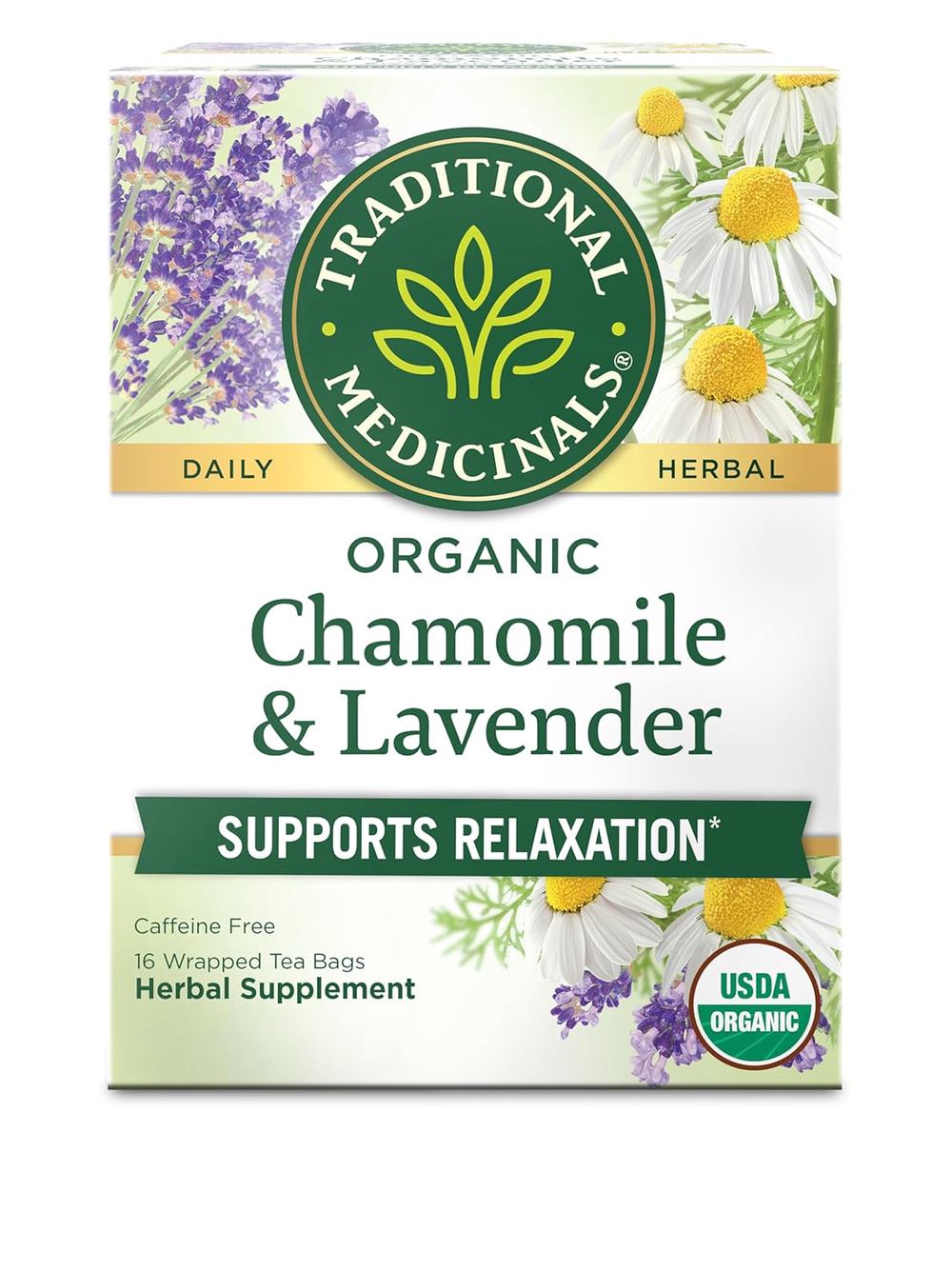
- Mindful hydration: Sipping water earlier in the evening to stay hydrated without needing frequent bathroom trips that disrupt sleep. Herbal teas like chamomile can be a soothing, caffeine-free option.
- Managing sodium intake: Being conscious of your total daily sodium, with an emphasis on lighter, less processed foods in the evening. Flavoring food with herbs, spices, citrus, or garlic instead of salt.
It's not about perfection, but pattern. Consistently choosing one or two supportive habits can have a cumulative, positive effect on your nighttime blood pressure profile.
When to Seek a Professional Opinion
Lifestyle adjustments are a powerful foundation, but they are part of a broader picture. If you have been diagnosed with high blood pressure or are concerned about your readings, it's essential to work with a healthcare provider. They can help you monitor your blood pressure patterns, including the possibility of 24-hour ambulatory monitoring to check for non-dipping. They can also provide personalized guidance that considers your complete health profile.
Pay attention to your body. Persistent poor sleep, frequent nighttime urination, or morning headaches can sometimes be related to blood pressure patterns and are worth discussing with a doctor. Your evening routine is one piece of the puzzle in a holistic approach to heart health.