Recovering from a heart attack involves careful attention to daily routines. You likely know about diet, exercise, and medication adherence. However, there is one specific evening habit that may significantly raise your odds of a second cardiac event, and it often goes overlooked.
That habit is eating a large, heavy, or high-fat meal within two to three hours before bedtime. While a daytime meal has time to metabolize with the support of movement and upright posture, eating right before sleep puts unique stress on your cardiovascular system during a vulnerable recovery period.
Why Late-Night Eating Strains a Recovering Heart
Digestion requires increased blood flow to the gastrointestinal tract. When you lie down shortly after eating, your body must work harder to circulate blood. This can elevate heart rate and blood pressure—two factors that a post–heart attack heart needs to keep stable, not spike. Research shows that nocturnal eating is linked to a greater likelihood of experiencing acute coronary syndromes, including recurrent heart attacks.
Additionally, eating late can disrupt your natural circadian rhythms. Your heart has its own internal clock that regulates blood pressure, heart rate, and vascular function. Eating when your body expects rest confuses these signals, potentially triggering inflammation and oxidative stress that can destabilize arterial plaques.
The Connection Between Late Meals and Cholesterol
A heavy evening meal—especially one high in saturated fat or refined carbohydrates—can raise triglyceride levels overnight. Elevated triglycerides are a known risk factor for heart disease progression. In a heart attack survivor this matters because high triglycerides can promote further plaque buildup in arteries that are already compromised.
There is also evidence that eating late reduces the body’s ability to clear lipids from the bloodstream during sleep, leading to prolonged postprandial lipemia—a state where fat particles linger in the blood for longer than healthy. This creates a pro-inflammatory environment that can contribute to a second event.
Blood Sugar and Heart Attack Risk
Late-night eating can also destabilize blood sugar control. When you eat a meal close to bedtime, your blood sugar may remain elevated for hours. Overnight hyperglycemia is particularly dangerous for heart attack survivors, as it can impair endothelial function—the health of the inner lining of blood vessels—and increase clotting tendency. Both of these factors raise the risk of a recurrent heart attack.
What Time Should You Stop Eating?
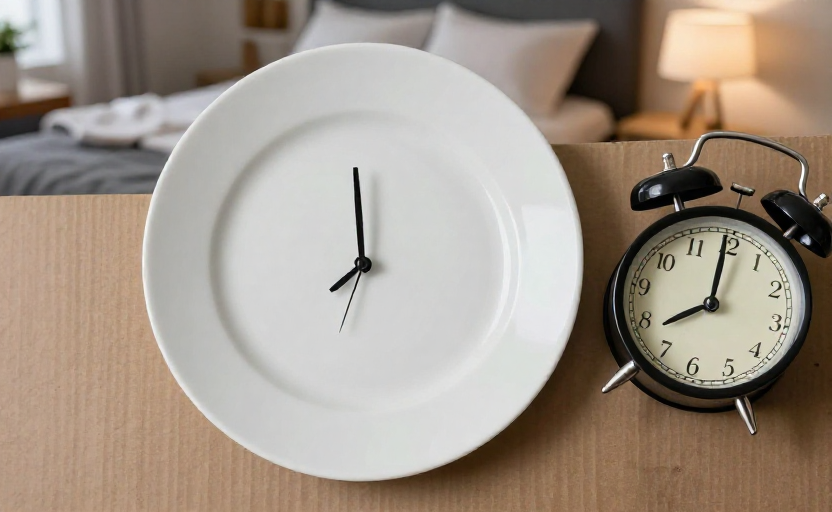
Cardiologists and sleep researchers recommend stopping all calorie-containing foods at least three hours before you plan to lie down for the night. This means if you typically go to bed at 10 p.m., your last substantial meal should be finished by 7 p.m. at the latest. A small, light snack—like a piece of fruit or a handful of nuts—may be acceptable up to two hours before bed for most people, but larger meals pose the greatest risk.
A simple rule: make dinner your lightest meal of the day, and finish it with enough time for a brief walk before rest.
Practical Steps to Break the Late-Eating Cycle
If you are accustomed to eating dinner late due to work, family obligations, or habit, shifting your schedule can feel challenging. Start by moving dinner earlier by just 30 minutes each week. Use alarms or phone reminders to signal when cooking should begin and when the kitchen closes for the evening.
Pay attention to meal composition earlier in the day as well. A satisfying breakfast and lunch reduce the likelihood of ravenous hunger at night. Protein-rich meals early in the day help stabilize appetite and reduce cravings for high-fat or sugary evening foods.
- Hydrate first: Thirst is often mistaken for hunger. Drink water or herbal tea an hour before bed if you feel peckish between meals.
- Brush your teeth early: Research shows that brushing teeth earlier in the evening serves as a powerful behavioral cue that eating time is over.
- Plan dinner leftovers for lunch: This removes the temptation to reheat and eat a heavy meal late because food is already portioned for earlier consumption.
When a Late Snack is Actually Okay
Not everyone needs to follow a strict no-food-after-some-hour rule. People who take certain heart medications, those with diabetes at risk of nighttime hypoglycemia, or night-shift workers may have different needs. The key is consistency with your medical team. If you have recovered from a heart attack, always discuss meal timing with your cardiologist or dietitian to personalize the recommendation for your specific condition and medication schedule.
The evening habit of eating heavy meals too close to bedtime is a modifiable risk factor. Adjusting when you eat, not just what you eat, can give your healing heart the nighttime recovery period it truly needs. Small shifts in routine can make a meaningful difference in reducing your risk of a second heart attack.