You know the feeling: It is three hours into the afternoon and your patience has worn thin. Every notification feels like an interruption, every question from a colleague feels like an accusation. Irritability at work is rarely about character — it is often about biology. Blood sugar dips, dehydration, and a lack of steady fuel can turn a manageable day into a tense one.
Instead of reaching for a third cup of coffee or a vending machine candy bar, consider a snack that is built to stabilize both your energy and your mood. Dietitians who work with workplace stress frequently recommend one simple combo: a small handful of almonds paired with an apple.
The combination of fiber, healthy fat, and natural sugars creates a slow release of energy — no spike, no crash.
Here is why this specific snack is worth keeping in your desk drawer and how it can help you feel more like yourself by four o'clock.
What makes almonds and apple work?
The science behind this snack comes down to two things: blood sugar regulation and nutrient density. When you eat a carbohydrate-rich snack alone — think pretzels, crackers, or a banana — glucose enters your bloodstream quickly. That rush of energy is short-lived. Once insulin does its job, your blood sugar can drop below baseline, triggering a stress response. That stress response feels a lot like irritability.
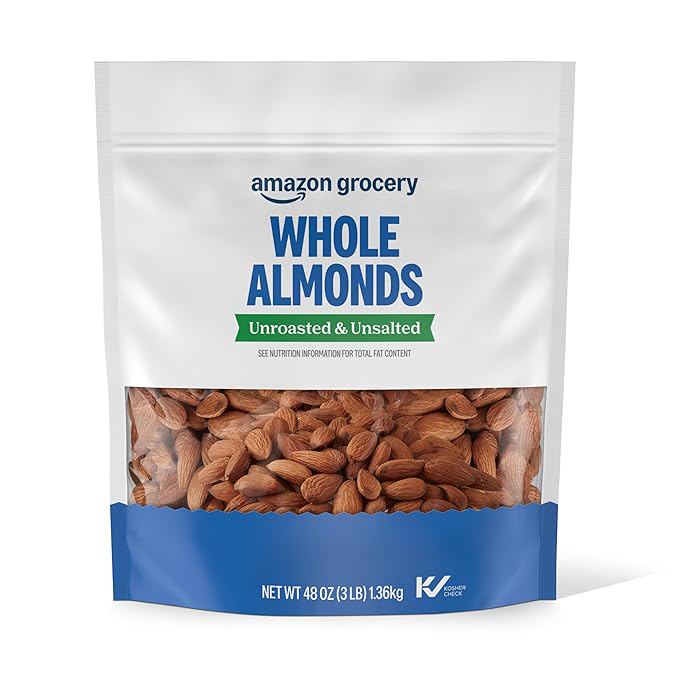
Almonds provide protein, healthy monounsaturated fats, and magnesium. Magnesium alone plays a role in over 300 enzymatic reactions in the body, including those that regulate the nervous system. Low magnesium levels have been linked to increased anxiety and mood swings. The apple contributes fiber, particularly in the skin (pectin), and natural sugars that are released more slowly than the sugar in juice or candy.
Together, the fat and fiber from the almonds slow down the digestion of the apple's carbohydrates. The result is a gradual rise and fall of blood glucose instead of a sharp peak and valley. This stabilization is why dietitians often recommend this snack for people who notice they get short-tempered or anxious in the mid-afternoon.
Why timing matters as much as ingredients
Irritability tends to peak when blood sugar is already on its way down. For most people, that happens between three and four hours after a meal. If you eat breakfast around 7 a.m. and lunch around noon, you are likely feeling the effects of that drop by 2:30 or 3 p.m.
Dietitians suggest eating this snack before you feel irritable, not after. Waiting until you are already snapping at people means your glucose has already dipped significantly. A proactive snack — eaten around the time you feel the first hint of fatigue or brain fog — can prevent the mood swing entirely.
Keep a small bag of almonds and an apple on your desk. When you notice your focus wavering or your patience thinning, that is the sign to eat. Not later. Not after one more email. Right then.
A note on portion size
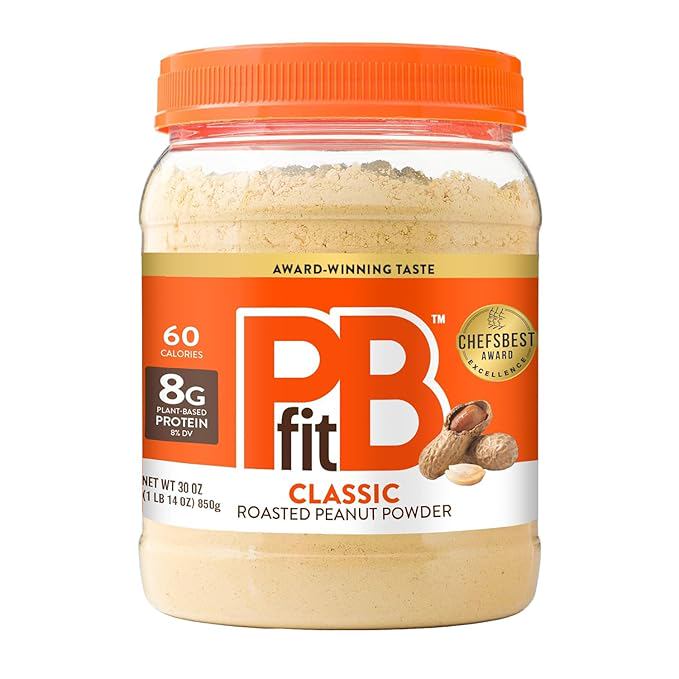
The classic recommendation is one medium apple and about 23 almonds, which is roughly a quarter cup. This portion keeps you satiated without feeling heavy. If you need more protein, you can swap the almonds for a tablespoon of peanut butter, but the almond-and-apple original remains the most portable and shelf-stable option.
What about people who dislike almonds or apples?
The principle matters more than the specific food. The goal is always the same: pair a source of fiber-rich carbohydrates with a source of protein or healthy fat. If you prefer pears, they work similarly. If you are allergic to tree nuts, try a small handful of pumpkin seeds or a cheese stick with your apple. Even celery with nut butter and raisins follows the same logic.
The key is to avoid anything labeled "low fat" or "diet" in a package, because those often contain added sugar to make up for the missing fat. That added sugar can create the exact spike-and-crash you are trying to avoid.
Does this replace professional support for anger or anxiety?
No. If your irritability is persistent, intense, or accompanied by other symptoms like depression, sleep disruption, or physical tension, a single snack is not a treatment. Anyone experiencing chronic mood changes should talk with a healthcare provider. This snack is a nutritional strategy for a common, low-grade pattern of afternoon crankiness — not a substitute for therapy or medication.
That said, food does play a real role in mood regulation. When you stabilize your energy, you give yourself a better baseline. You still have to navigate the difficult meeting or the tight deadline, but you can do it without the extra layer of biological frustration.
The almonds-and-apple snack is dietary support that helps you tie your best self. It is simple, whole-food focused, and backed by the kind of nutritional logic that dietitians rely on. Keep a bag of raw almonds in your bag and grab an apple from the break room. The next time you feel that flash of workplace irritation, it just might not happen.