If you have polycystic ovary syndrome (PCOS) and are dealing with persistent breakouts, you already know the usual advice: avoid greasy food, wash your face twice a day, and don’t pick at pimples. But what if the biggest trigger is something you never considered — something you do every single day without thinking?
Experts are pointing to a common dietary and lifestyle habit that may be fueling acne flares in PCOS: consuming high-glycemic foods and drinks on an empty stomach, especially first thing in the morning. It might sound innocent, but the science behind how your body processes these foods appears to have a direct line to your skin — and your hormones.
What’s the mistake? Eating or drinking high-sugar, high-carb items on an empty stomach
When you wake up, your body has been fasting all night. For someone with PCOS, this is a sensitive metabolic window. Many people reach for a glass of orange juice, a pastry, a sugary coffee drink, or even just a piece of toast with jam because it’s quick, gives energy, and tastes good. Yet experts say this is when the trouble often begins.
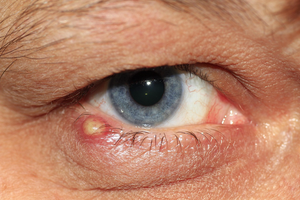
Here’s what happens: consuming high-glycemic foods — those that spike your blood sugar fast — on an empty stomach forces a large insulin release. In PCOS, the body is often less sensitive to insulin, meaning it takes more insulin to do the same job. That extra insulin in the bloodstream can trigger your ovaries to produce more androgens, especially testosterone. These male hormones signal your sebaceous glands to produce excess oil, and that excess oil becomes a perfect breeding ground for acne-causing bacteria.
It’s not just about what you eat, but when and how you eat it. A 2021 clinical review in the Journal of the Endocrine Society reaffirmed that a high glycemic load significantly exacerbates acne in women with hyperandrogenism — the hormonal hallmark of PCOS.
Why morning is a critical time for PCOS skin
Several biological factors align in the early morning hours that may make the body more reactive to sugar and refined carbohydrates. Cortisol, often called the stress hormone, naturally peaks around the time you wake up. For women with PCOS, baseline cortisol can already be higher than normal, and a sudden glucose spike may exaggerate that stress signal. This can further increase inflammation and insulin secretion.
Additionally, the gut microbiome — which plays a role in regulating both hormones and inflammation — is reset overnight. Flooding it with processed sugar right after waking may disrupt the delicate bacterial balance, potentially worsening systemic inflammation that contributes to acne.
“Skipping a balanced breakfast may not seem like a big deal, but for a woman with PCOS, that mid-morning insulin rush could be setting her up for breakouts by noon.” — Dr. Rachel Li, board-certified endocrinologist (paraphrased from expert commentary in PCOS Skin Roundtable, 2022)
Which foods are most problematic?
The specific items that experts warn about are those with a high glycemic index (GI) that quickly raise blood sugar. Common culprits in the morning include:
- White bread, bagels, or croissants
- Sweetened coffee beverages (lattes with flavored syrups, frappuccinos)
- Fruit juice, even 100% orange or apple juice
- Many breakfast cereals, including granola with added sugar
- Pancakes, waffles, and muffins made with refined flour
- Dried fruit on an empty stomach
The pattern is the same: a rapid spike in glucose, a surge in insulin, and then a cascade of hormonal shifts that may increase sebum production and skin inflammation.
What should you have instead?
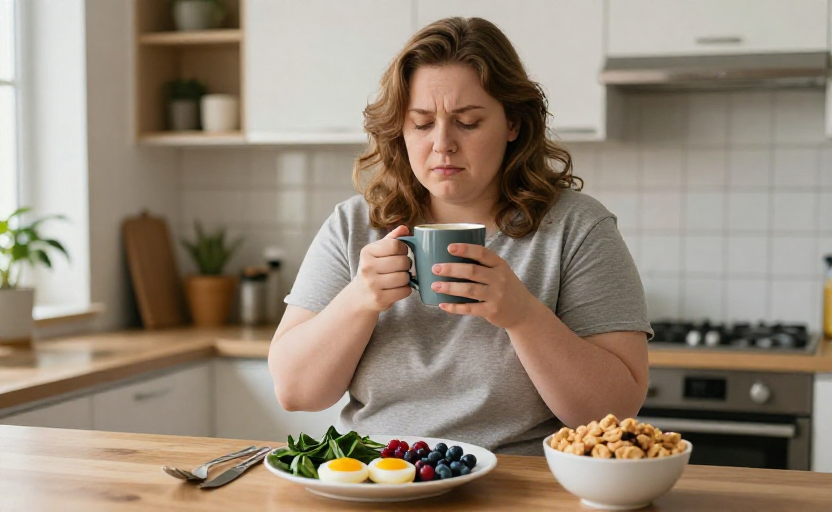
The fix is not to skip breakfast, but to reframe your first meal so it supports stable blood sugar. A PCOS-friendly breakfast should include protein, healthy fat, and fiber — all of which slow the rate at which glucose enters your bloodstream. Good options include:
- Eggs scrambled with spinach and a sprinkle of pumpkin seeds
- Full-fat plain yogurt with a handful of berries and a tablespoon of chia seeds
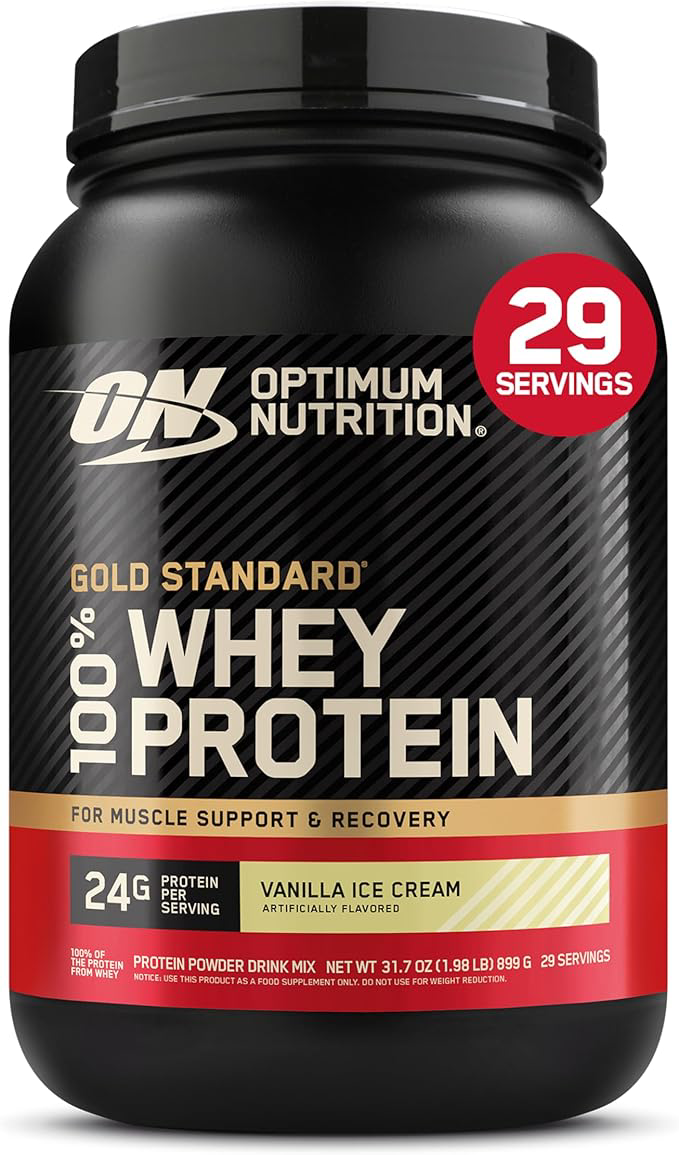
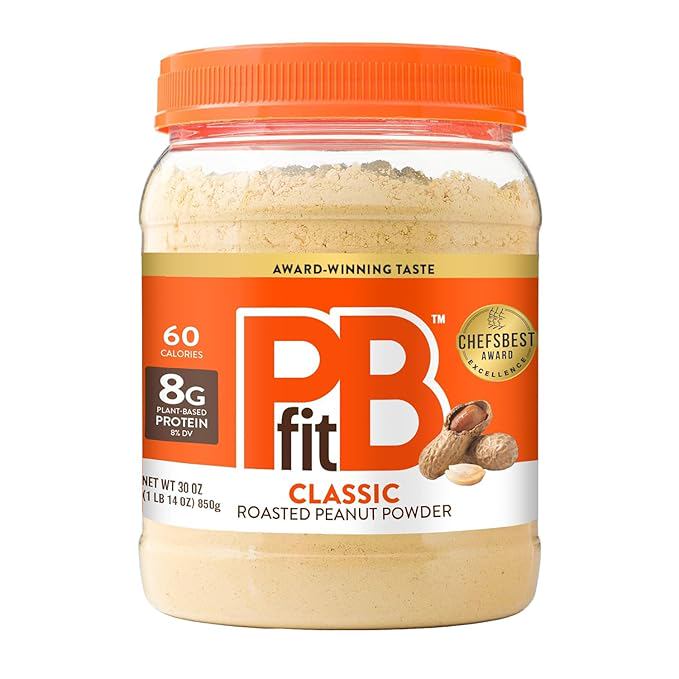
- A smoothie made with unsweetened almond milk, a scoop of protein powder, a tablespoon of almond butter, and a small handful of frozen cherries (no juice)
- A small bowl of steel-cut oats with flaxseed, cinnamon, and walnuts
If you drink coffee, consider having it after you eat something protein-based, or switch to plain black coffee or tea with a splash of cream — no added sweeteners or syrups.
Does this apply to every woman with PCOS?
Not every woman with PCOS reacts the same way to food. Some have more insulin resistance than others, and some are more prone to acne from dietary triggers. But given the pattern of high-glycemic meals being linked to acne in multiple studies, experts generally recommend that anyone with PCOS and persistent breakouts try modifying that first meal of the day to see if their skin calms down.
A two-week period of testing a high-protein, low-glycemic breakfast — with no sugary drinks at all before noon — is a simple experiment that many dermatologists now suggest before turning to prescription medications.
What about snacks and other meals later in the day?
The morning window is the focus because the body is most metabolically sensitive after a night of no food. However, the same principle applies to any time you go for several hours without eating and then consume a high-glycemic food. This pattern of “spike and crash” can cycle throughout the day, keeping insulin levels elevated and androgen production active. For best results, try to keep every meal and snack balanced with protein, fiber, and fat—not just the first one.
Is skipping breakfast better?
No. Skipping the morning meal entirely may actually worsen insulin resistance over time. Without any food, the body may break down muscle for glucose, and then when you finally eat a few hours later, the insulin response can be even more dramatic. The goal is nourishment that stabilizes, not deprivation.
Acne in PCOS is not just a skin problem — it is a hormonal conversation your body is having. By changing what you reach for first thing in the morning, you have a chance to influence that conversation from the very first bite.