For many women navigating polycystic ovary syndrome (PCOS), the quest for a regular menstrual cycle can feel like a constant puzzle. You might be tracking symptoms, adjusting your diet, and trying various supplements, yet your period remains stubbornly unpredictable. Sometimes, the very habits we incorporate daily with the best intentions can quietly work against our hormonal balance. One common, often overlooked, daily practice has significant potential to disrupt the delicate endocrine dance in PCOS, potentially worsening cycle irregularity.
Understanding this connection isn't about assigning blame, but about empowerment. By examining the interplay between this habit and your hormones, you gain a clearer map of your own body's responses. This knowledge allows for more informed, gentle adjustments that support your well-being from the ground up.
The Stress Connection: Cortisol and Your Cycle
At the heart of this issue is a specific daily habit: chronic, unmanaged stress. While acute stress is a normal part of life, the PCOS body is particularly sensitive to the hormonal cascade that follows a constant state of pressure, worry, or overwhelm. When you experience stress, your adrenal glands release cortisol. In small, short bursts, this is a healthy survival mechanism. However, when cortisol levels remain elevated day after day—due to work pressure, emotional strain, poor sleep, or even excessive exercise—it directly communicates with your reproductive hormones.
Cortisol and progesterone, the hormone that regulates the second half of your menstrual cycle and supports uterine lining stability, are made from the same precursor molecule, pregnenolone. Under chronic stress, the body prioritizes cortisol production in a "shunt" often referred to as "pregnenolone steal." This means resources are diverted away from making progesterone and toward making more stress hormone. The result can be lower progesterone levels, which may contribute to anovulation (lack of ovulation), a shortened luteal phase, or spotting—all of which manifest as an irregular or absent period.
Chronic stress doesn't just affect your mood; it can redirect the raw materials needed for menstrual regularity.
How Elevated Cortisol Fuels PCOS Symptoms
The impact goes beyond progesterone. Elevated cortisol also influences insulin, a key hormone already implicated in PCOS for many individuals. High cortisol can increase blood sugar levels and contribute to insulin resistance. When cells become resistant to insulin, the pancreas produces even more to compensate. This excess insulin can stimulate the ovaries to produce more androgens (like testosterone), exacerbating classic PCOS symptoms such as acne, hirsutism, and further disrupting ovulation.
Furthermore, cortisol can influence appetite and cravings, often driving a desire for high-carbohydrate or sugary foods for quick energy. Acting on these cravings can create blood sugar spikes and crashes, feeding into the cycle of insulin dysregulation. It becomes a self-perpetuating loop: stress worsens insulin resistance, which worsens PCOS symptoms, which creates more stress about health.
Identifying Your Stress Triggers
Stress isn't always obvious. It can wear many disguises in daily life:
- Mental/Emotional: Constant worrying, perfectionism, feeling overwhelmed by responsibilities, or unresolved emotional tension.
- Physical: Intense daily workouts without adequate rest, chronic pain, or ongoing illness.
- Nutritional: Skipping meals, severe calorie restriction, or relying on caffeine and sugar to power through the day.
- Environmental: Poor sleep hygiene, excessive screen time before bed, or a chaotic daily routine.
Reframing Daily Habits for Hormonal Support
The goal isn't to eliminate stress entirely—an impossible task—but to change your relationship with it and integrate daily buffers. This means moving from a state of constant reaction to one of grounded regulation. Small, consistent practices can signal safety to your nervous system, helping to lower the baseline cortisol load.
Consider the rhythm of your day. Does it consist of constant go-go-go from alarm clock to bedtime? Building in deliberate pauses, even for three to five minutes, can act as a circuit breaker for the stress response. This could look like stepping outside for fresh air, practicing deep belly breathing, or simply sitting with a cup of tea without a screen in front of you.
Physical movement is crucial for PCOS, but its nature matters. While high-intensity interval training (HIIT) has benefits, doing it daily when you're already stressed can add to your cortisol burden. Balancing intense days with gentler forms of movement—like walking, yoga, or stretching—can support metabolism and insulin sensitivity without the same hormonal cost.
Practical Steps to Cultivate Calm
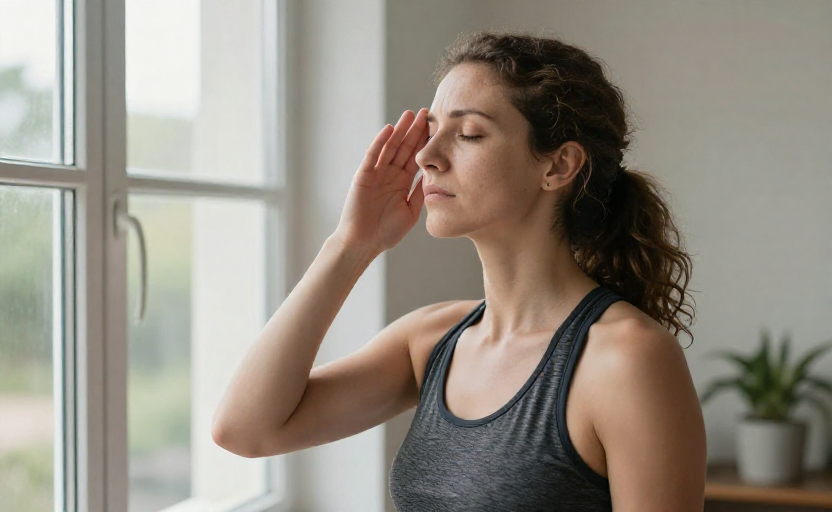
Transforming a stress-worsening habit into a hormone-supportive one is a practice of awareness and kindness. Start by observing without judgment. For one week, simply notice when you feel tension rising in your body—a clenched jaw, shallow breath, or tight shoulders.
Then, choose one or two small anchors to incorporate:
- Breath Awareness: Several times a day, pause and take five slow, deep breaths, focusing on extending the exhale, which activates the calming parasympathetic nervous system.
- Rhythmic Movement: Incorporate a daily 20-30 minute walk, preferably in nature. The rhythmic pace and connection to greenery are inherently soothing.
- Sleep Priority: Protect your sleep window. A consistent bedtime and a 30-minute screen-free buffer before bed can dramatically improve sleep quality, which is foundational for cortisol regulation.
- Nourishment Timing: Avoid skipping meals. Eating balanced meals at regular intervals helps stabilize blood sugar, preventing one major source of physical stress.
Consistency in small, gentle practices often yields more hormonal benefit than sporadic, intense efforts.
Remember, progress is not linear. Some days will be easier than others. The intention is to build a toolkit of practices that help you return to a state of balance, thereby creating a more supportive internal environment for your menstrual cycle to find its own rhythm.